Britain under Keir Starmer: six months of Labour government
Six months into Keir Starmer’s tenure as Prime Minister, Britain finds itself at a crossroads. The Labour leader swept to power in July 2024 with a commanding 174-seat majority, promising stability after years of Conservative turbulence. But the honeymoon didn’t last long.
Starmer’s approval ratings have plummeted faster than almost any modern prime minister. A recent poll put his net favourability at minus 26, a stark reversal from the cautious optimism that greeted his landslide victory.
Economic Reality Bites
The government inherited a £22 billion fiscal shortfall, according to Treasury assessments. Chancellor Rachel Reeves responded with tax rises totalling £40 billion in her October budget—the largest increase in three decades. National Insurance contributions for employers jumped by 1.2 percentage points, whilst capital gains tax rates climbed sharply.
Yet growth remains anaemic. The Bank of England forecasts just 1.5% GDP expansion for 2025, hardly the transformative change Labour campaigned on. Business confidence has wobbled, with several major firms warning the tax increases will force them to cut jobs or investment.
Public Services Under Pressure
The NHS waiting list stands at 7.6 million people, barely changed since Labour took office. Starmer pledged to deliver 40,000 additional appointments per week, but staffing shortages and winter pressures have hampered progress. Schools face crumbling infrastructure, with the government allocating £1.4 billion for urgent repairs—a fraction of what education leaders say is needed.
Still, there’s been movement. Free breakfast clubs have rolled out to primary schools, and GB Energy, the promised publicly-owned clean power company, officially launched last month with headquarters in Aberdeen.
Political Turbulence
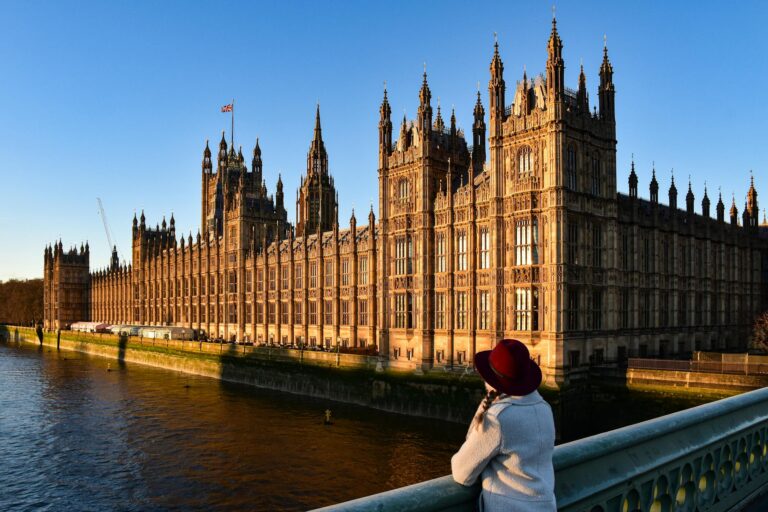
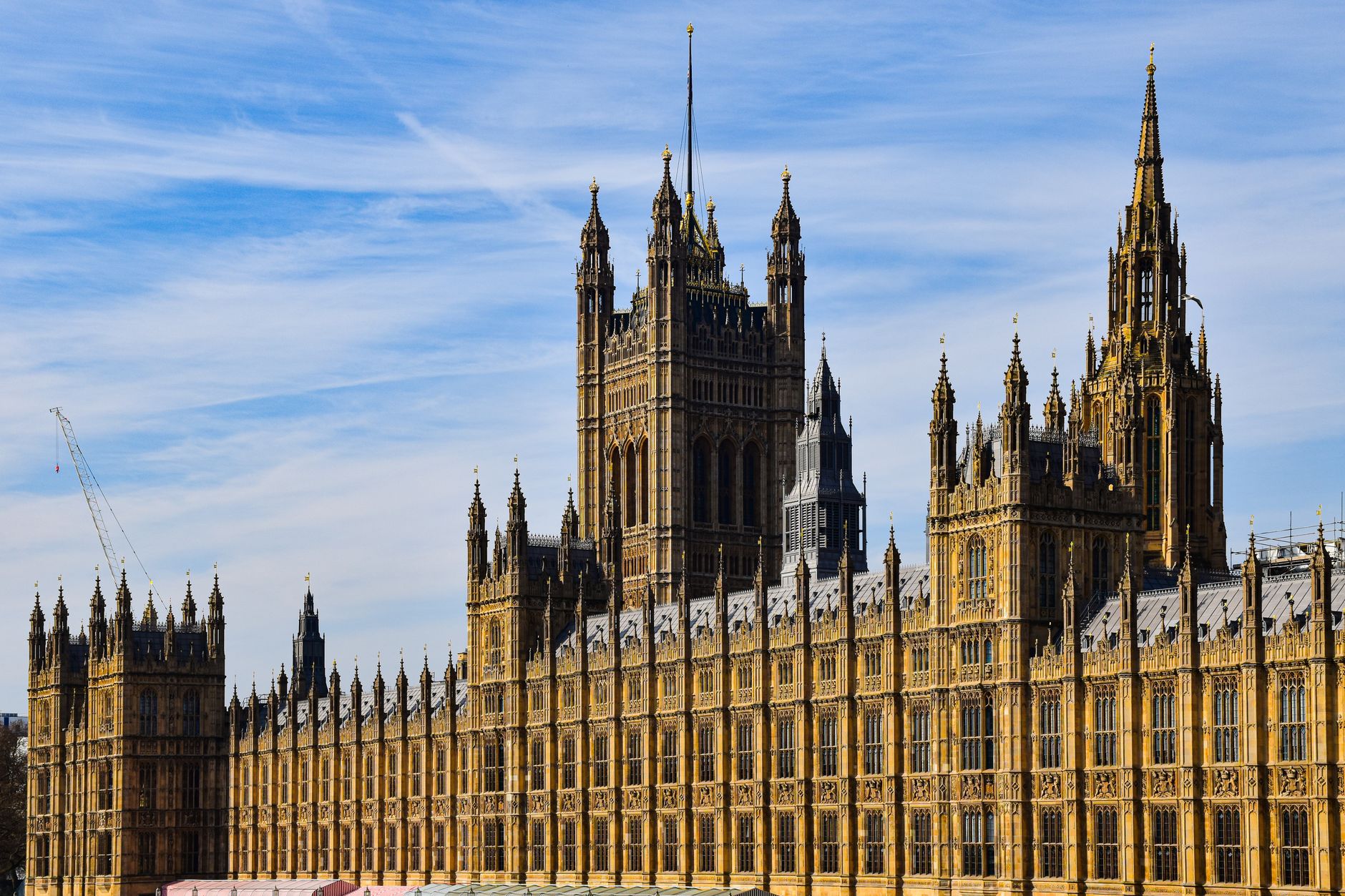
The government has faced unexpected scandals. Questions over gifts accepted by ministers, including Starmer’s own football tickets and clothing donations, dominated headlines for weeks. Then came the farmers’ protests, as thousands descended on Westminster to oppose inheritance tax changes affecting agricultural estates.
‘We’re making tough choices to fix the foundations of our economy,’ a Downing Street spokesperson said recently. ‘It won’t happen overnight, but we’re delivering on our promises.’
That’s the gamble. Starmer’s betting that short-term pain will yield long-term gain, that voters will forgive today’s difficulties if tomorrow brings better public services and sustainable growth. Opinion polls suggest patience is wearing thin. Reform UK has surged to second place in several surveys, whilst the Conservatives have regrouped under Kemi Badenoch’s leadership.
The next six months will prove critical. Labour needs tangible wins—shorter hospital queues, improved school standards, visible infrastructure projects—to convince Britain that change really is coming.