
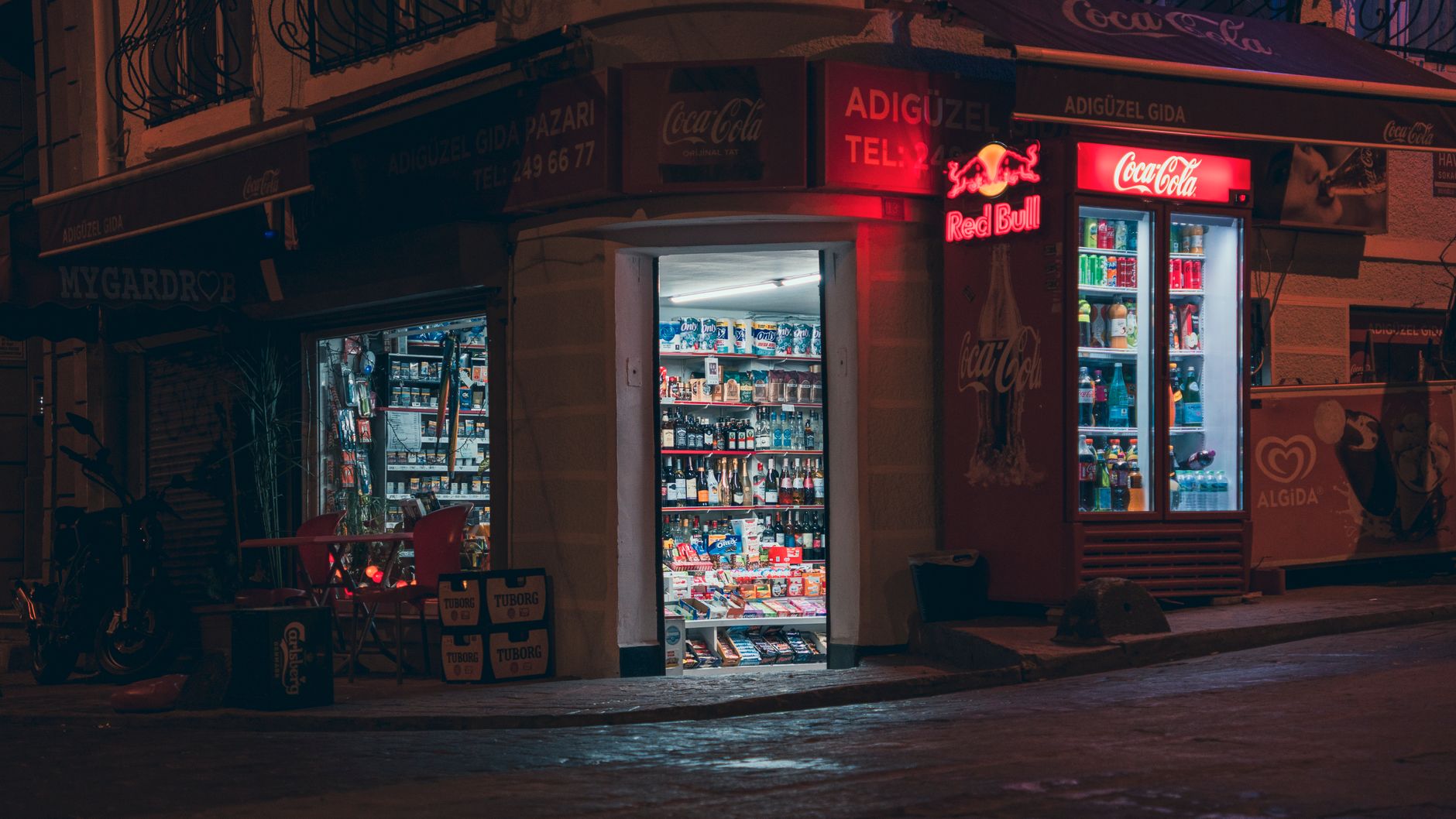
Child-rape sentence reignites scrutiny of UK mini-marts
The conviction of a convenience store worker who used free vapes and cash to lure underage girls has sparked renewed calls for tighter regulation of Britain’s high street mini-marts, where campaigners say vulnerable children remain at risk.
Bawan Harwe, 34, was sentenced this week after admitting to multiple counts of child rape. He worked at a corner shop in the Midlands, where he groomed his victims—girls as young as 13—by offering them vaping products and small amounts of money. The case has exposed what child safety advocates describe as a dangerous blind spot in community retail oversight.
Pattern of predatory behaviour
Court documents revealed Harwe exploited his position behind the counter over an 18-month period. He’d strike up conversations with schoolgirls who came in during lunch breaks or after classes. The promise of free vapes, which can retail for £5 to £10 each, proved an effective lure for teenagers already drawn to the illegal products.
Once trust was established, he’d invite them to his flat above the shop.
Prosecutors said at least four victims came forward, though investigators believe there may be more who haven’t yet reported. One girl testified that Harwe gave her £20 notes on several occasions, making her feel obligated to visit him. Another said she thought they were friends at first—that he was just being nice.
Regulatory gaps under fire
The case has reignited debate about who’s minding Britain’s estimated 50,000 independent convenience stores. Unlike pubs or licensed premises, these shops face minimal vetting of staff who interact with children daily. There’s no mandatory safeguarding training, and many operate with little oversight beyond basic trading standards checks.
“We’ve created an environment where predators can hide in plain sight,” a spokesperson for the National Society for the Prevention of Cruelty to Children said in a statement. “These aren’t random attacks. They’re calculated grooming operations happening in shops where parents think their children are safe buying sweets or soft drinks.”
Calls for action mount
Several MPs have now called for a review of safeguarding requirements in retail settings frequented by minors. Proposals include enhanced DBS checks for staff, mandatory training on spotting grooming behaviour, and stricter enforcement of age-restricted sales—particularly for vaping products, which remain widely available to underage buyers despite being illegal to sell to under-18s.
But critics worry any new regulations will prove toothless without proper enforcement funding. Local councils have seen trading standards budgets slashed by 50% since 2010, leaving fewer inspectors to monitor thousands of premises.
As Harwe begins a lengthy prison term, the broader question remains: how many other corner shops are inadvertently providing cover for those who’d harm children? And whether policymakers will finally act to close the gaps that made his crimes possible.