
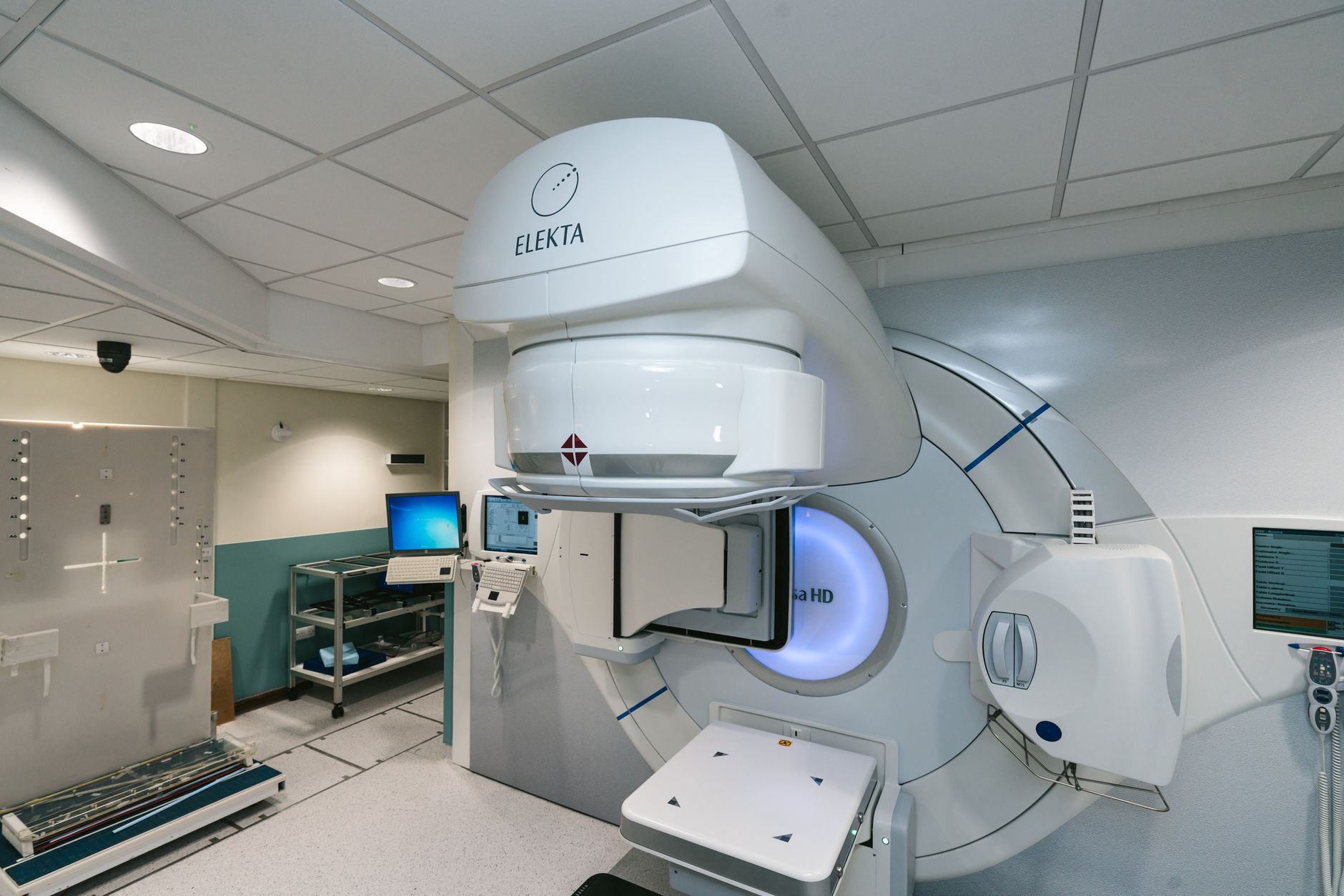
Prostate cancer radiotherapy cut from 20 sessions to just five
Men with prostate cancer in England will soon benefit from a revolutionary radiotherapy treatment that slashes the number of hospital visits from 20 down to just five sessions. The NHS announced today that it’s rolling out stereotactic body radiotherapy (SBRT) to eligible patients across the country, marking a significant shift in how the disease is treated.
The new approach uses highly precise radiation beams to target tumours with pinpoint accuracy. Rather than spreading treatment over four weeks with daily hospital trips, patients will now complete the entire course in just one to two weeks.
A Game-Changer for Patients
For the estimated 52,000 men diagnosed with prostate cancer in the UK each year, this represents a dramatic improvement in quality of life during treatment. Traditional radiotherapy required patients to attend hospital five days a week for four weeks straight – a gruelling schedule that disrupted work, strained family life, and racked up travel costs.
But SBRT delivers higher doses of radiation in fewer sessions without compromising effectiveness. Clinical trials have shown that the treatment is just as successful at controlling cancer whilst causing no additional side effects compared to conventional radiotherapy.
Cutting-Edge Technology Meets NHS Care
The rollout will initially focus on men with localised prostate cancer – where the disease hasn’t spread beyond the prostate gland. Around 23,000 men receive radiotherapy for prostate cancer annually in England, and thousands are expected to benefit from the streamlined treatment.
It’s not just about convenience. Fewer trips to hospital mean reduced transport emissions, less time off work, and lower costs for both patients and the NHS. Some men travel over an hour each way for treatment, making 20 sessions a serious burden.
What Doctors Are Saying
“This is a significant advancement in how we treat prostate cancer,” a senior NHS clinical director said. “We’re delivering the same excellent outcomes but in a way that fits far better into patients’ lives. It’s precisely the kind of innovation the NHS should be championing.”
The technology relies on advanced imaging and computer systems that track the prostate’s position in real-time, accounting for natural body movements. This allows radiation oncologists to deliver stronger, more focused doses safely.
Looking Ahead
The NHS expects SBRT to become standard practice for eligible prostate cancer patients within the next 12 to 18 months. Specialist cancer centres across England are already installing the necessary equipment and training radiotherapy teams.
For men facing a prostate cancer diagnosis, that’s welcome news. The disease remains the most common cancer in men, yet survival rates continue to improve. And now, treatment itself is getting easier too.