
Asian hornet threat prompts beekeepers to demand UK awareness drive
British beekeepers are sounding the alarm over the rapid spread of the Asian hornet, calling on the government to launch a nationwide public awareness campaign before the invasive predator becomes permanently established across the UK. The appeal comes as sightings have surged in recent months, with confirmed nests now discovered in multiple English counties.
A predator that picks off bees mid-flight
The Asian hornet, Vespa velutina, isn’t native to Europe. It arrived in France around 2004, likely tucked inside a shipment of Chinese pottery, and has been moving steadily northward ever since. Unlike native European hornets, it hunts by hovering near beehives and snatching honeybees as they leave — a technique known as hawking. A single nest can contain up to 6,000 workers by late autumn, and a small group of them can devastate a beehive within days. It’s not just bees at risk. Beekeepers warn that widespread colony losses would have serious knock-on effects for crop pollination and food production across Britain.
Sightings climbing year on year
The National Bee Unit recorded 72 confirmed Asian hornet sightings in England in 2023 — up sharply from just 22 the year before. So far in 2024, reports suggest the numbers are on track to exceed that again. Kent, Essex and Devon have seen the highest concentrations, but nests have also been found as far north as Yorkshire. Beekeepers say the pace of spread is outrunning the government’s ability to respond. Still, the insects remain illegal to keep or release in the UK, and authorities do destroy confirmed nests when they’re found. But finding them is the problem.
Detection is notoriously difficult. Nests are often built high in tree canopies, well out of sight, and the hornets themselves can easily be mistaken for native species by untrained eyes.
Beekeepers want public brought into the fight
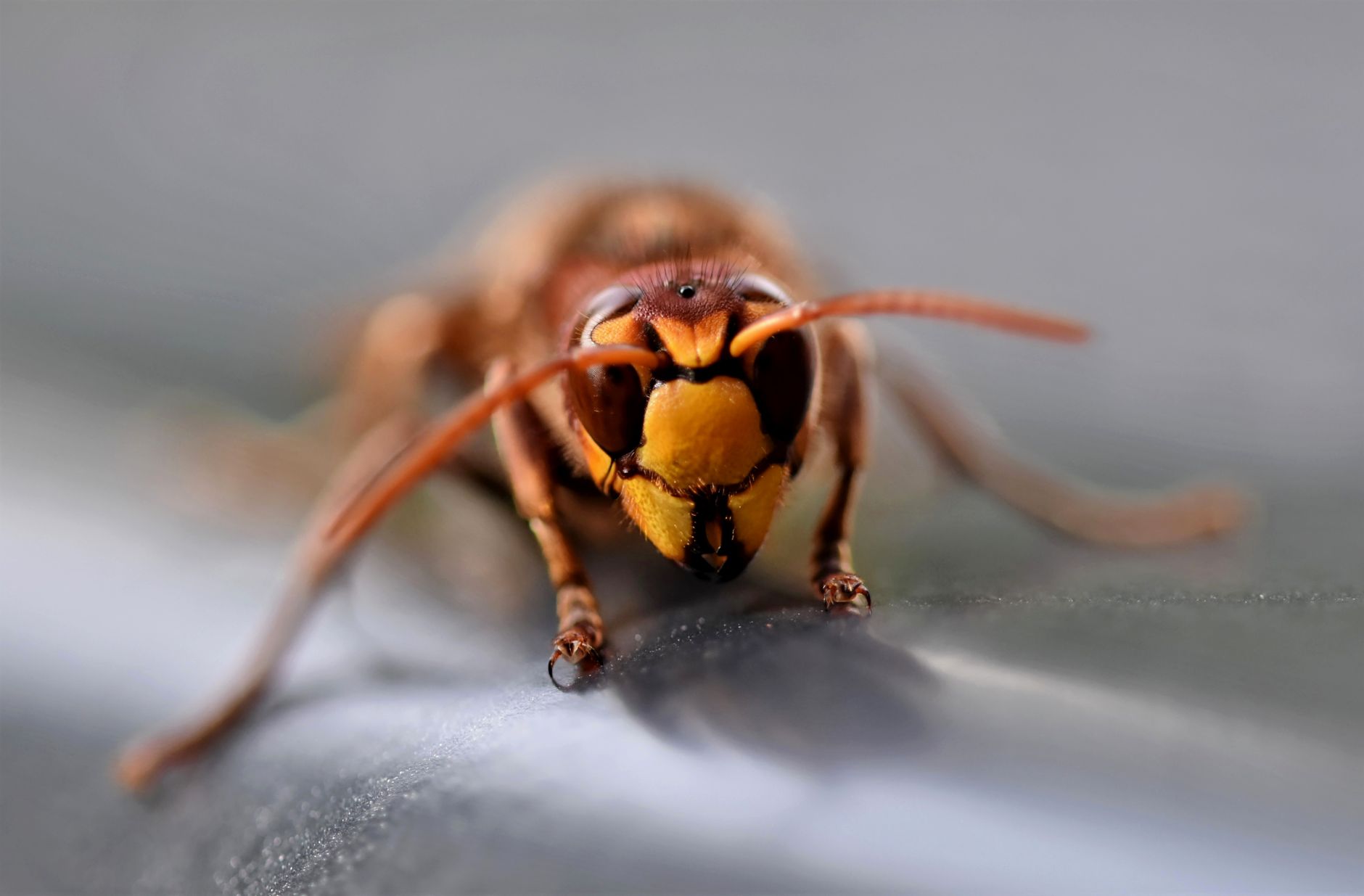
Beekeeping associations are pushing for a structured campaign — think posters, social media, and school outreach — that teaches ordinary people how to identify the Asian hornet and report it through the official alerting app. “The public are our eyes and ears,” said a spokesperson for the British Beekeepers Association. “Early reporting is the only realistic way to stay ahead of this. We need people to know what they’re looking for.” The hornet is slightly smaller than the European hornet, with a distinctive dark body, yellow-tipped legs and an orange-yellow face. Those differences matter, but most people won’t know them without being told.
What comes next
The Department for Environment, Food and Rural Affairs has said it continues to monitor the situation and encourages sightings to be reported via the Asian Hornet Watch app. But beekeepers argue that’s not enough — that passive monitoring won’t cut it when the species is actively expanding its range every season. With spring just months away and new queen hornets set to emerge and found fresh colonies, the window to act is narrow. And if the UK doesn’t get ahead of this now, experts warn, containment could become impossible within the decade.