Turkish farmers drowning in UK plastic waste nobody wants to fix
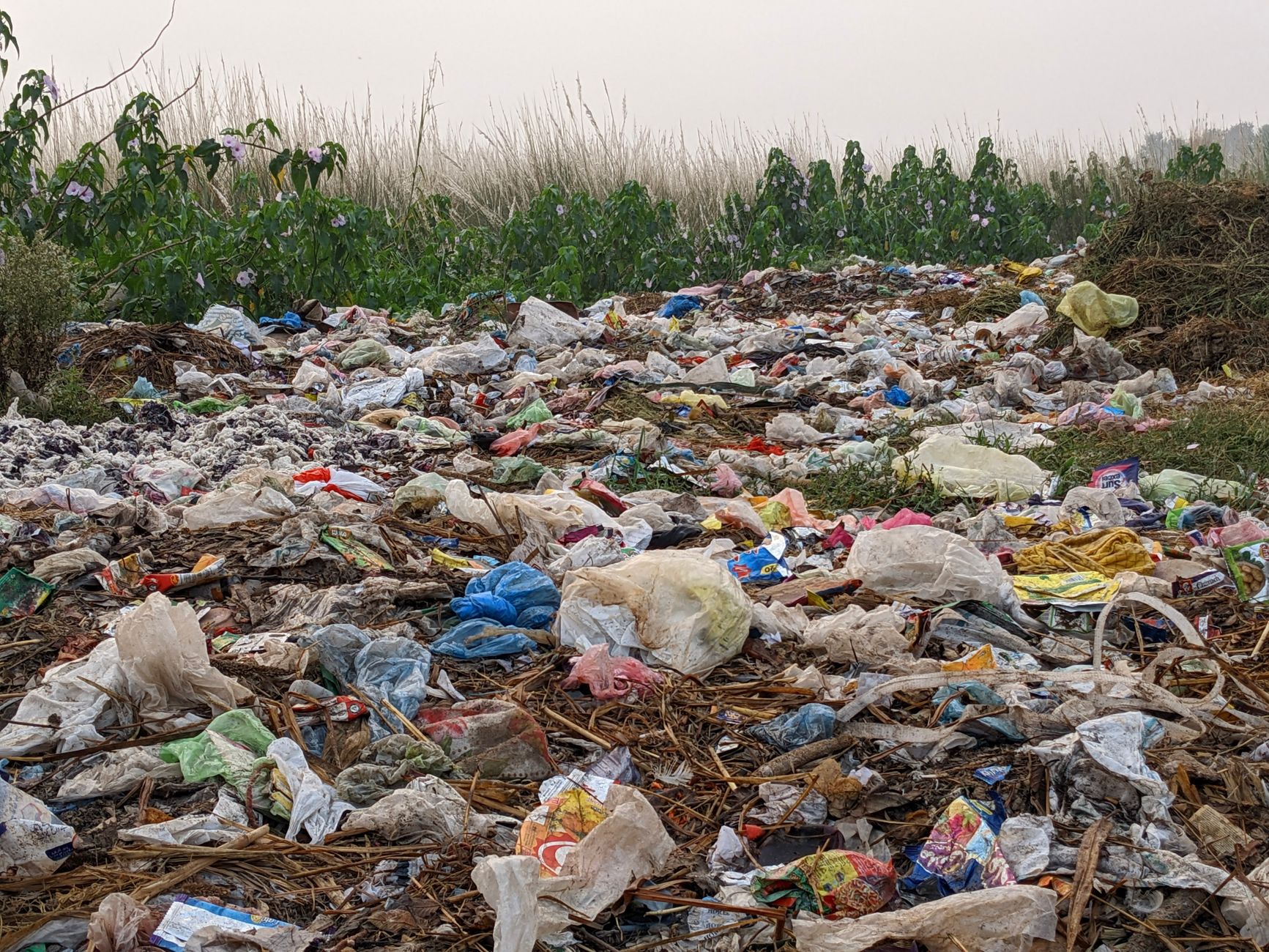
Vast fields of black plastic film, shredded bags, and unrecyclable packaging are spreading across agricultural land in Turkey — and a growing body of evidence points directly to Britain as a major source. The UK ships hundreds of thousands of tonnes of plastic waste overseas each year, and Turkey has become one of its biggest dumping grounds.
Fields poisoned by foreign rubbish
Farmers in the Adana region, a fertile agricultural belt in southern Turkey, describe watching plastic fragments work their way into their soil season after season. It clogs irrigation channels, wraps around machinery, and contaminates crops. One farmer, who has worked the same land for 30 years, said he’s stopped planting certain crops entirely because the contamination makes it pointless. “Nobody cares where it ends up,” he told local activists documenting the crisis. “They send it here and forget about it.”
In 2022, the UK exported approximately 688,000 tonnes of plastic waste. Turkey received a significant share — somewhere in the region of 40,000 tonnes, according to trade data analysed by environmental groups. Much of it arrives classified as material destined for recycling. But recycling infrastructure in Turkey’s rural south simply can’t handle the volume or the quality of what’s coming in.
A system built on paper compliance
The gap between official paperwork and reality is enormous. Waste shipments require documentation certifying that materials will be recycled responsibly. But enforcement is patchy at best. Brokers in the UK sell mixed, contaminated plastic bales to intermediaries who move them down a chain of smaller operators. By the time material reaches a rural Turkish facility, any pretense of proper recycling has often collapsed.
It’s a profitable arrangement for everyone except the people living near the dumps.
A spokesperson for a UK waste industry body acknowledged there were “legitimate concerns” about export destinations but maintained that most operators follow legal requirements. Critics say that’s precisely the problem — legal requirements aren’t strict enough, and penalties for violations are rarely meaningful.
What the UK government has promised — and not delivered
The government has pledged several times to reform its waste export rules. A consultation on restricting plastic waste exports to non-OECD countries ran in 2021. Three years later, comprehensive restrictions still haven’t materialised. Environmental lawyers say the delay reflects persistent lobbying from the waste and packaging industries, who argue that export bans would overwhelm domestic processing capacity.
And that’s probably true. The UK doesn’t currently have enough recycling infrastructure to handle its own plastic waste. Building it would take years and significant public investment.
The farmers aren’t waiting for London to act
Back in Adana, farmers aren’t holding their breath. Some have filed complaints with local authorities. A few have received small compensation payments. But the plastic keeps arriving, winter and summer, bale after bale. Soil tests conducted last year by a Turkish university found microplastic concentrations in affected farmland running four times higher than in unaffected control plots nearby. The long-term effects on crop yields and groundwater remain poorly understood — and largely unstudied.