Pet heatstroke risk exists even indoors, UK vets warn owners
Pets can suffer life-threatening heatstroke without ever leaving the house, UK veterinarians are warning, as temperatures across Britain climb and thousands of animals are treated for heat-related illness each summer.
The alert, which comes amid growing concern from the British Veterinary Association and animal welfare charities, targets a dangerous misconception among pet owners — that keeping a dog or cat indoors automatically keeps them safe when the mercury rises.
Not just a car problem
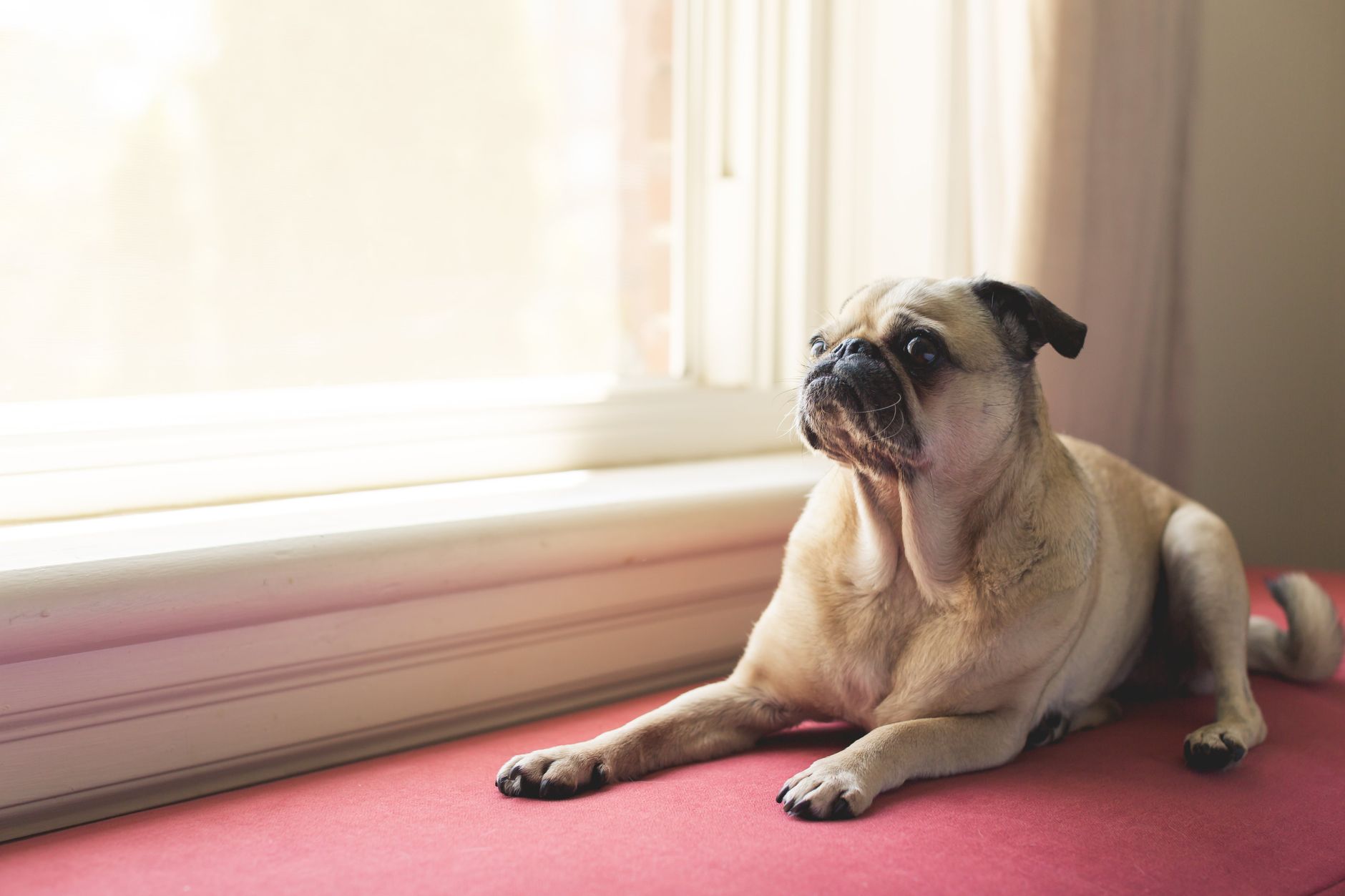
Most people know not to leave a dog in a parked car on a hot day. But vets say that’s only part of the story. Rooms without adequate airflow, conservatories, and even shaded gardens can reach temperatures that overwhelm an animal’s ability to regulate body heat. Flat-faced breeds like French bulldogs, pugs, and Persian cats are especially vulnerable because their shortened airways make panting — the primary cooling mechanism for dogs — significantly less effective.
Animals left simply lying down, doing nothing at all, can still overheat if the ambient temperature is high enough and the air is still. That’s a fact many owners don’t fully appreciate.
The numbers are alarming
A study published in Scientific Reports found that heatstroke in dogs carries a fatality rate of roughly 14 percent in treated cases — and that rises sharply when treatment is delayed. Vets across England reported a spike in emergency heatstroke admissions during the summer of 2022, when parts of the UK recorded temperatures above 40°C for the first time.
Brachycephalic breeds — those with flat faces — account for a disproportionate share of cases. But any dog over 30kg, any animal that is elderly or overweight, and pets on certain medications that interfere with thermoregulation are also at elevated risk.
Still, it’s not only dogs. Rabbits, guinea pigs, and cats are all susceptible, yet owners tend to underestimate the danger for smaller animals.
What vets are telling owners to do
“We see animals in real distress every summer, and the heartbreaking thing is that so many of these cases were preventable,” said a spokesperson for the British Veterinary Association. “People need to treat their homes the same way they’d treat a car on a hot day — check the temperature, provide shade, and never assume that resting means safe.”
Vets recommend keeping fresh water available at all times, using damp towels on tiled floors, and closing blinds during peak sunlight hours between 11am and 3pm. Fans alone aren’t enough for dogs — they don’t sweat the way humans do, so moving hot air doesn’t cool them efficiently.
What comes next
Animal welfare organisations are pushing for heatstroke awareness to be included in pet owner education at the point of sale and adoption. With UK summers expected to grow hotter and more unpredictable under climate change projections, vets say the conversation about indoor pet safety can’t wait for another record-breaking July.
For now, the message is simple: if you’re hot sitting still, your pet probably is too.