
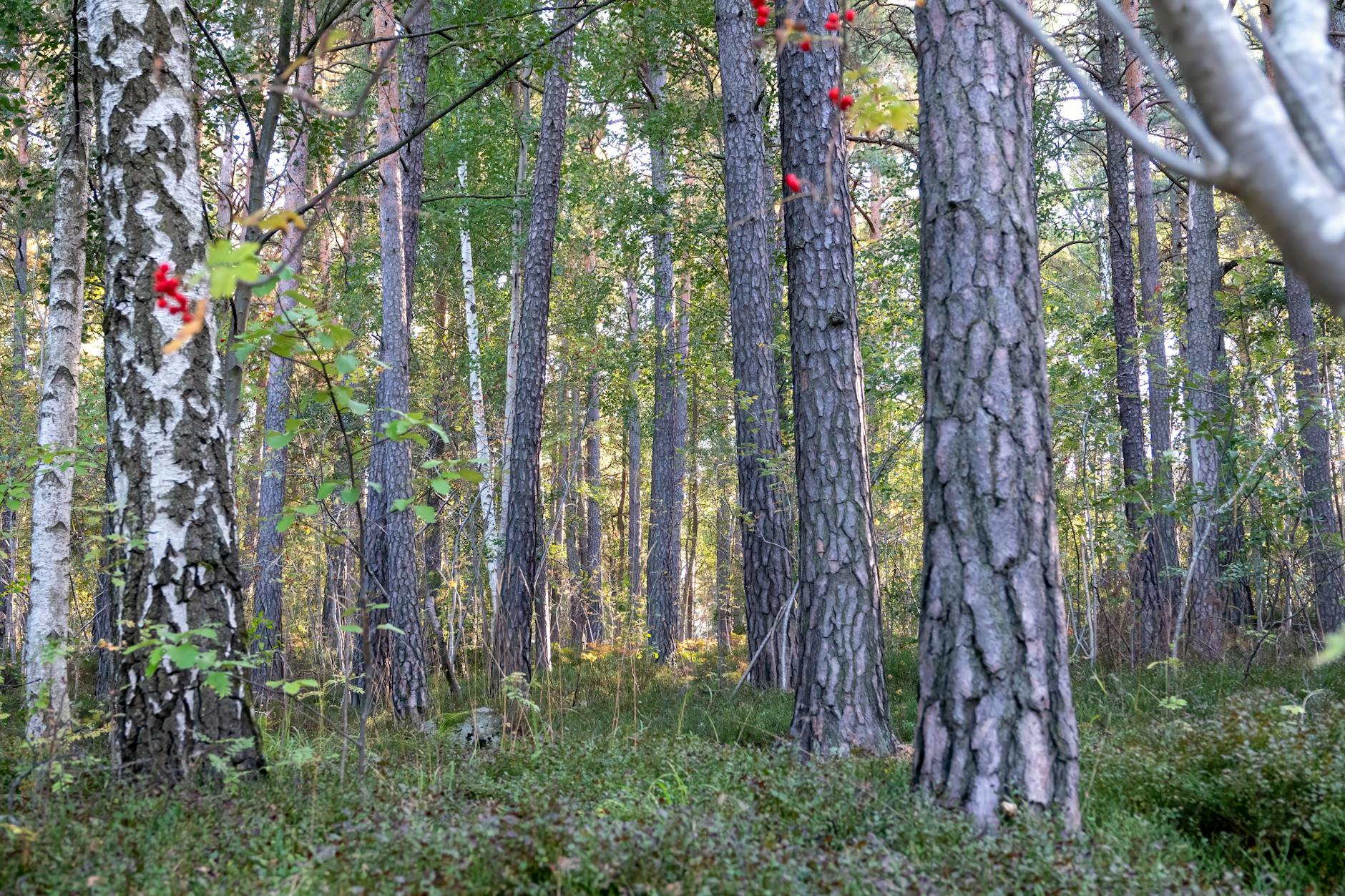
Natura 2000 day: Europe celebrates 27,000 protected sites network
European institutions marked Natura 2000 Day on 21 May with celebrations across the continent, highlighting the achievements of the EU’s flagship nature protection network which now encompasses more than 27,000 sites covering nearly a fifth of the bloc’s land area.
The anniversary celebrations showcased a conservation initiative that has grown to become the world’s largest coordinated network of protected areas, spanning 18 per cent of EU land territory and 9 per cent of marine waters since its establishment under the 1992 Habitats Directive.
Commissioner Launches Citizen Science Initiative
Environment Commissioner Jessika Roswall used the occasion to launch an ambitious public engagement campaign, unveiling a BioBlitz initiative designed to harness citizen participation in documenting biodiversity across protected sites. The scheme invites members of the public to record wildlife observations through a newly developed EU application, creating a continent-wide snapshot of species distribution and abundance.
“We’re calling on Europeans to become citizen scientists and help us understand the incredible natural wealth on our doorstep,” Commissioner Roswall said at the launch event. “Every observation logged through the app contributes to our understanding of how these vital habitats are functioning.”
The BioBlitz campaign represents a shift towards greater public involvement in conservation monitoring, allowing anyone with a smartphone to contribute data on flora and fauna encountered within their local Natura 2000 sites. The initiative aims to complement professional scientific surveys whilst raising awareness of the network’s presence across Europe’s landscapes.
Management Plans Show Significant Progress
Alongside the citizen science launch, the Commission presented new data revealing substantial progress in the formal management of protected areas. According to the figures released on Natura 2000 Day, 81 per cent of habitats within the network now have a designated management plan in place—a key metric for assessing whether protected status translates into practical conservation measures on the ground.
The management plan coverage represents a significant increase in recent years, addressing long-standing concerns from environmental organisations that designation alone was insufficient without clear frameworks for site stewardship. These plans typically outline conservation objectives, identify threats, and establish monitoring protocols tailored to each site’s specific ecological characteristics.
A Network Spanning Diverse Ecosystems
The Natura 2000 network’s 27,000-plus sites encompass a remarkable variety of ecosystems, from Mediterranean scrubland and Alpine meadows to boreal forests and coastal wetlands. The designation system operates under two key pieces of EU legislation: the Birds Directive and the Habitats Directive, which together identify species and habitat types requiring special conservation measures.
The terrestrial coverage of 18 per cent makes the EU a global leader in protected area designation, whilst the 9 per cent marine protection reflects the more recent extension of conservation efforts into maritime environments. Member states bear responsibility for proposing sites and implementing management measures, with the Commission providing coordination and ensuring compliance with EU-wide standards.
Balancing Conservation and Economic Activity
Unlike strict nature reserves that exclude human activity, Natura 2000 sites operate on a principle of sustainable use, allowing economic activities including agriculture, forestry, and tourism to continue where compatible with conservation objectives. This approach has sought to minimise conflicts between protection and livelihoods, though tensions have periodically emerged in areas where restrictions affect traditional practices.
The network’s governance structure requires member states to assess the potential impact of plans or projects on designated sites, with the precautionary principle applied to activities that might compromise conservation goals. Environmental groups generally support the framework whilst arguing for more robust enforcement, particularly in cases where member states have been slow to implement protective measures.
Celebrations Across Member States
The 21 May anniversary prompted events in numerous member states, with nature organisations, local authorities, and volunteer groups organising guided walks, educational workshops, and wildlife surveys at Natura 2000 sites. The coordinated celebrations aimed to raise public consciousness of the network’s presence and importance, addressing survey findings that many Europeans remain unaware of protected areas in their vicinity.
Looking ahead, the success of the Natura 2000 network will increasingly be measured not merely by the extent of designated areas but by demonstrable improvements in the conservation status of target species and habitats. The Commission has indicated that data gathered through initiatives such as the BioBlitz campaign will inform future assessments of whether the network is delivering its biodiversity objectives, with particular focus on reversing declines in vulnerable species. As the EU pursues ambitious targets under its Biodiversity Strategy, the continued expansion and effective management of Natura 2000 sites remains central to meeting nature restoration commitments in the years ahead.