EU-Mexico summit concludes in Mexico City: modernised global agreement signed
The European Union and Mexico have taken a significant step in strengthening transatlantic ties with the signing of a modernised Global Agreement during the 8th EU-Mexico summit in Mexico City on 22 May 2026, marking the culmination of years of negotiations to update a relationship first established at the turn of the century.
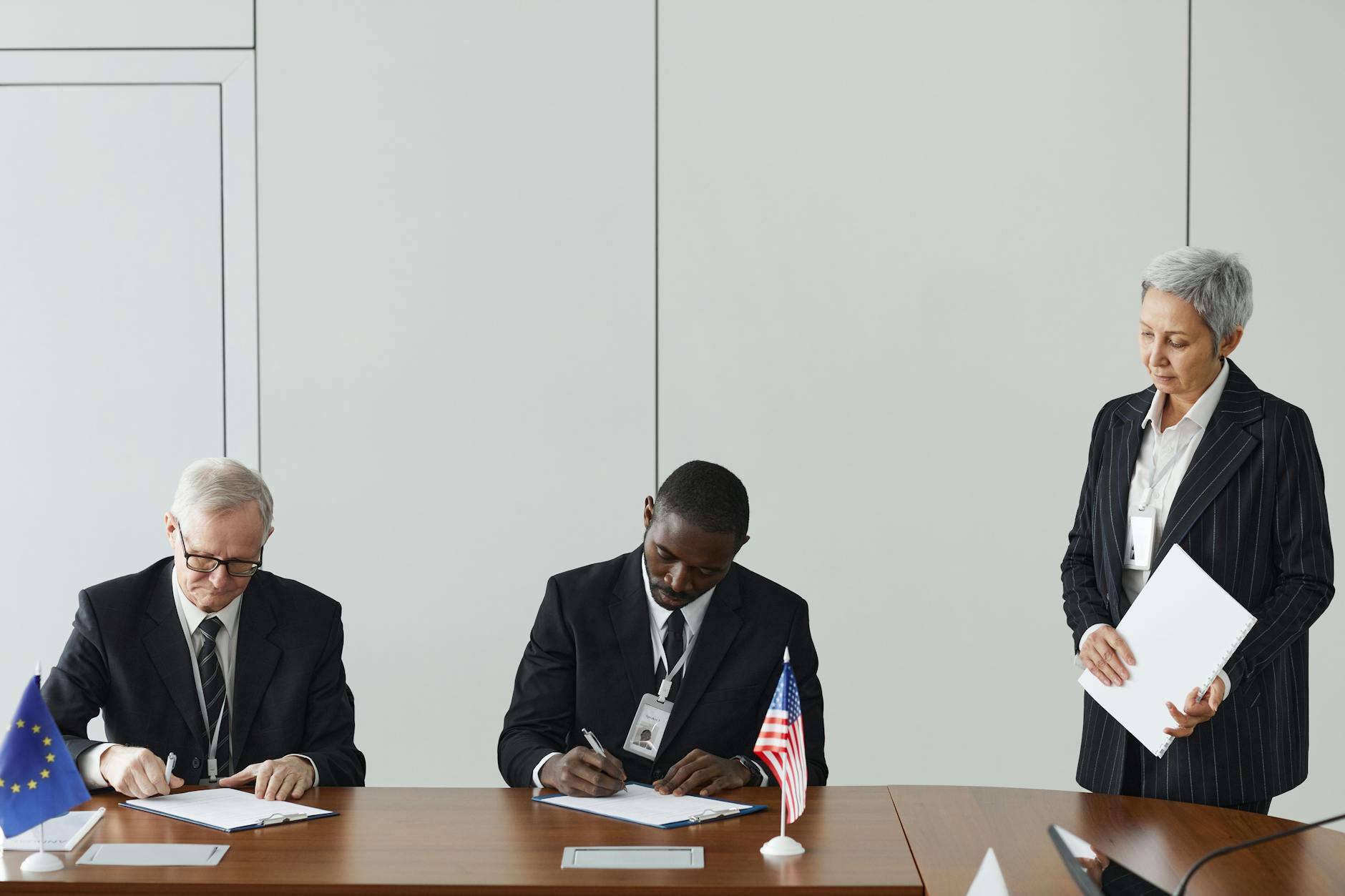
European Council President António Costa and Mexican President Claudia Sheinbaum presided over the signing ceremony, which saw both the modernised Global Agreement and an interim Trade Agreement put to paper. The agreements are set to transform commercial relations between the two partners, eliminating tariffs on 99 per cent of bilateral trade and providing European companies with access to Mexico’s public procurement markets for the first time.
A Comprehensive Modernisation
The modernised Global Agreement represents a wholesale update of the existing framework that has governed EU-Mexico relations for more than two decades. Whilst the original agreement was groundbreaking in its time, both parties recognised the need to adapt to contemporary economic realities and new areas of cooperation.
The interim Trade Agreement, signed alongside the broader political framework, will enter into provisional application ahead of full ratification, allowing businesses on both sides of the Atlantic to benefit from reduced trade barriers without delay. The near-total elimination of tariffs—covering 99 per cent of trade—positions the EU-Mexico commercial relationship amongst the most liberalised in the world.
Market Access and Procurement Opportunities
A particularly notable element of the new arrangements is the opening of Mexican public procurement markets to European firms. This provision is expected to create substantial opportunities for EU companies across various sectors, from infrastructure and transport to technology and professional services.
The procurement market access represents a significant concession by Mexico and reflects the deepening trust between the two partners. European businesses will now be able to compete for government contracts on a more level playing field, potentially worth billions in future investment and collaboration.
Political Significance of the Agreement
Speaking at the signing ceremony, European Council President Costa emphasised the strategic importance of the agreement beyond its economic dimensions. “This modernised partnership demonstrates our shared commitment to rules-based international trade and multilateral cooperation at a time when these principles face unprecedented challenges,” he said.
President Sheinbaum echoed these sentiments, highlighting Mexico’s determination to diversify its international partnerships whilst maintaining strong ties with traditional allies. “Mexico is committed to building bridges across the Atlantic, strengthening our relationship with Europe as a trusted partner in trade, investment, and shared values,” she noted.
The Road to Ratification
Despite the celebratory atmosphere in Mexico City, significant hurdles remain before the agreements can enter fully into force. The modernised Global Agreement requires ratification by all EU Member States, a process that can prove lengthy and, at times, politically fraught.
Recent EU trade agreements have faced varying degrees of scrutiny and opposition at the national level, with concerns ranging from environmental standards to labour protections and agricultural competition. The Commission will need to work closely with Member State governments to shepherd the agreement through national parliaments, a process that could take several years to complete.
The interim Trade Agreement, however, may begin provisional application more swiftly, requiring only approval from the European Parliament and Council. This two-track approach allows for immediate economic benefits whilst the more comprehensive political aspects of the Global Agreement navigate the ratification process.
Strategic Context and Global Implications
The timing of the agreement carries particular significance, coming at a moment when global trade alignments are being reassessed by governments worldwide. For Mexico, the enhanced relationship with the EU provides additional economic security and diplomatic leverage, whilst for Brussels, the agreement reinforces its position as a champion of open, rules-based trade.
The agreement also serves to deepen connections between two regions that share democratic values and concerns about climate change, human rights, and sustainable development. Beyond tariffs and trade volumes, the modernised framework includes provisions for dialogue on these broader global challenges.
As both parties now turn their attention to the ratification process, the success of the EU-Mexico modernised Global Agreement will depend not only on legislative approval but on the ability of businesses and civil society to harness the opportunities created. With provisional application of key trade provisions expected in the coming months, the first tangible benefits of this renewed partnership may soon become apparent, setting the stage for a deeper and more dynamic relationship between Europe and Latin America’s second-largest economy.