Starmer visits Ukraine to pledge UK’s ‘cast-iron’ support
Keir Starmer arrived in Kyiv on Thursday for what Downing Street is calling a defining moment in British foreign policy, meeting Ukrainian President Volodymyr Zelensky to reaffirm the UK’s commitment to the war effort as fighting continues along a 1,000-kilometre front line.
The visit marks Starmer’s third trip to Ukraine since taking office last July. And this time, officials say, it carries particular weight.
What Starmer is promising
The prime minister is expected to announce a fresh package of military aid worth £450 million, including additional air defence systems and artillery ammunition. It’s part of a broader UK commitment that has now topped £12 billion since Russia’s full-scale invasion began in February 2022.
Starmer described the UK’s backing as “cast-iron” in remarks to reporters before boarding his flight. That’s language his team has used deliberately — a direct counter to fears among Ukraine’s allies that Western resolve is softening under the pressure of prolonged conflict and domestic budget constraints.
Still, critics at home have questioned whether Britain can sustain that level of support, pointing to deep cuts elsewhere in the defence procurement pipeline.
The meeting with Zelensky
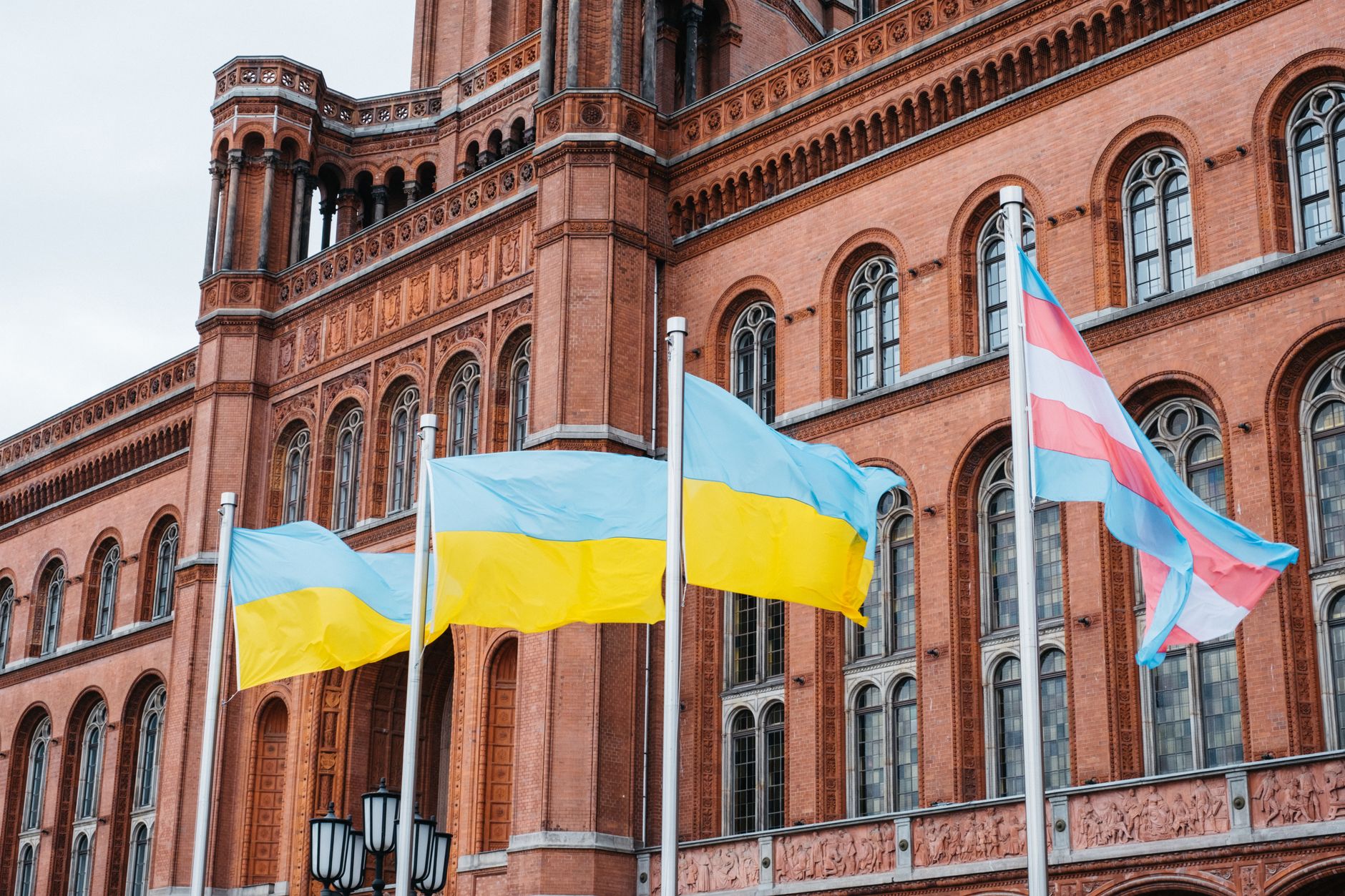
The two leaders met at the Presidential Office in central Kyiv, shaking hands against a backdrop of the Ukrainian flag. Zelensky, who has hosted dozens of foreign leaders over the past three years, used the occasion to push once again for longer-range strike capabilities and a firmer NATO membership timeline.
A senior British government official, speaking on condition of anonymity ahead of the formal talks, said the discussions would go beyond weapons. “This is about the long game — economic reconstruction, intelligence sharing, and making clear that UK support doesn’t have an expiry date,” the official said.
But Zelensky wants specifics, not signals. His team has grown wary of visits that generate headlines without delivering hardware.
The political backdrop
Starmer’s trip comes just days after US President Donald Trump renewed his push for a negotiated ceasefire, again casting doubt on Washington’s appetite for continued military backing. European capitals, London included, are increasingly anxious about filling any gap that American disengagement might leave.
The UK is one of only a handful of NATO members currently meeting the 2% GDP defence spending target. Starmer raised that to 2.5% in the spring budget, though the timeline stretches to 2027.
It’s a balancing act — projecting strength abroad while managing squeezed public finances at home.
What comes next
Thursday’s visit is expected to produce a new bilateral security agreement, building on the 100-year partnership framework signed by Rishi Sunak in January 2024. Talks about joint drone production facilities inside Ukraine are also reportedly on the table.
Whether any of it moves the needle on the battlefield is another question. But for Starmer, the trip is as much about optics as outcomes — demonstrating that Britain won’t blink while others hesitate.