Burnham government and the future of the UK impact economy
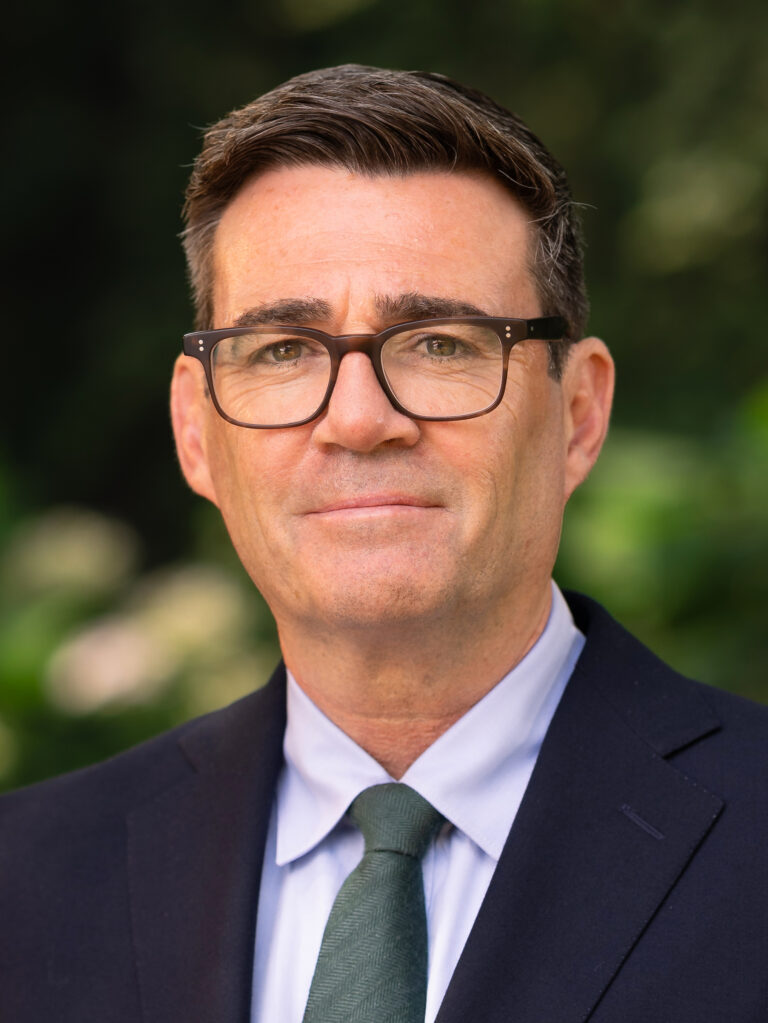
Andy Burnham’s political rise is prompting serious questions about what a so-called Burnham government — whether in Westminster or through an expanded regional powerbase — would actually mean for the UK’s growing impact economy. Social enterprises, community businesses, and mission-led organisations are watching closely. And they have good reason to.
What the impact economy looks like right now
The UK’s impact economy is not a niche sideshow. It contributes an estimated £60 billion annually to the national economy and employs around two million people across social enterprises, charities operating commercial arms, and purpose-driven businesses. Places like Greater Manchester have become testing grounds for this model, where public procurement, anchor institutions, and community wealth-building strategies have been deliberately woven together. Burnham’s tenure as Greater Manchester Mayor helped accelerate that weave.
But progress has been uneven. Outside major city regions, many impact organisations still struggle to access patient capital, win public contracts, or get taken seriously by mainstream investors who remain fixated on traditional financial returns.
What Burnham’s approach has meant in practice
In Manchester, Burnham backed the Good Employment Charter, pushed for real Living Wage adoption, and championed community land trusts. These weren’t just symbolic gestures. They shifted procurement norms and nudged anchor institutions — universities, NHS trusts, local councils — toward spending with local, mission-led suppliers rather than defaulting to large national contractors.
That’s a model the impact economy has been demanding nationally for years. It’s also one that doesn’t require a revolution. It just requires political will.
“What we’ve shown in Greater Manchester is that you can align public spending with social purpose without sacrificing value for money,” one regional policy adviser said. “The question is whether that thinking can scale beyond city regions with strong mayoral leadership.”
The risks and the gaps
Still, enthusiasm needs tempering. Burnham has not published a comprehensive platform for the impact economy at national scale. His record is strong on employment rights and regional devolution, but the specific mechanics of social investment, blended finance, or reform to public procurement law remain underexplored in his public positioning.
There’s also the question of timing. The UK government is under acute fiscal pressure. Any expansion of support for impact-led organisations would need to compete with NHS funding, housing, and defence commitments that are already straining budgets.
What comes next
Impact economy advocates aren’t waiting passively. Several coalitions are drafting policy asks they hope to put directly to Burnham’s team in the coming months, focused on three areas: reforming the Social Value Act to give it real teeth, creating a British Impact Investment Bank with dedicated capital for underserved communities, and embedding wellbeing metrics into public spending decisions.
Whether Burnham can — or will — champion those asks depends partly on electoral politics and partly on whether the impact sector makes itself impossible to ignore. So far, it’s trying hard to do exactly that.