European steel industry pushes for anti-dumping tools as global overcapacity threatens market stability
Europe’s steel industry is mounting a concerted effort to secure more robust trade defence instruments as global overcapacity—driven chiefly by Chinese state-subsidised production—risks overwhelming domestic producers already contending with elevated energy costs and the transition to net zero.
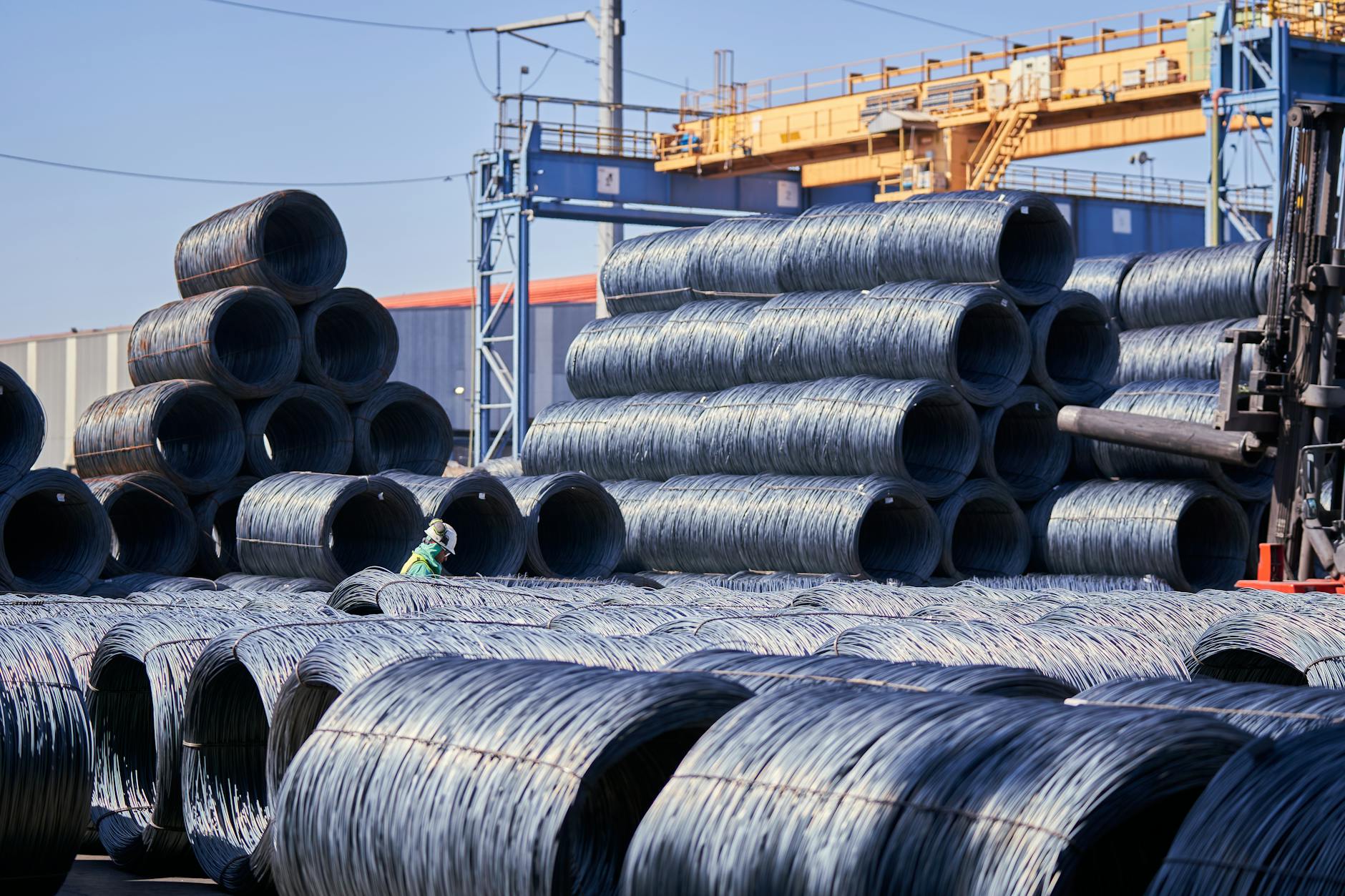
Steel manufacturers across the continent have spent months raising concerns about the quantity of cut-price imports arriving at European ports. Eurofer, the industry federation, calculates that surplus global capacity now surpasses five hundred million tonnes annually, representing more than three times the size of Europe’s entire market. A substantial portion of that surplus is being diverted towards the bloc following the United States’ imposition of higher tariffs on steel imports.
Members of the European Parliament are due to debate and vote on a non-legislative resolution this month urging the Commission to deploy a more flexible combination of anti-dumping duties, safeguard measures and carbon border adjustments. Whilst the resolution does not compel the Commission to adopt particular instruments, it signals considerable political support for more stringent action.
The Carbon Border Adjustment Mechanism, which entered its definitive phase earlier this year, was intended in part to create a level playing field by pricing the embedded emissions contained in steel imports. Manufacturers contend, however, that the mechanism’s protections prove inadequate when confronted with imports priced beneath the cost of production. They are pressing the Commission to consider a melt-and-pour requirement that would prevent circumvention through finishing operations in third countries.
Trade-exposed segments of the sector, notably long products used in construction and certain grades of flat rolled steel for automotive applications, have borne the brunt of the pressure. A number of smaller producers in southern and central Europe have already announced temporary production curtailments. The knock-on effect on construction supply chains is being closely monitored.
Critics of more assertive trade defence measures caution that higher steel prices would feed through into the cost base of downstream industries, including renewable energy infrastructure, automotive manufacturing and shipbuilding. They contend that any tightening of import rules must be accompanied by mechanisms that shield European users from monopolistic pricing by the remaining domestic suppliers.
The Commission has indicated that it is reviewing its toolkit and remains open to recalibrating instruments in light of the altered global landscape. Decisions on specific measures, including the eventual replacement of the current steel safeguard which expires next year, will shape the competitive environment for one of Europe’s most strategically important heavy industries.