Drax datacentre could emit nearly twice annual Gatwick flights CO2
Plans for a massive AI datacentre at Drax power station
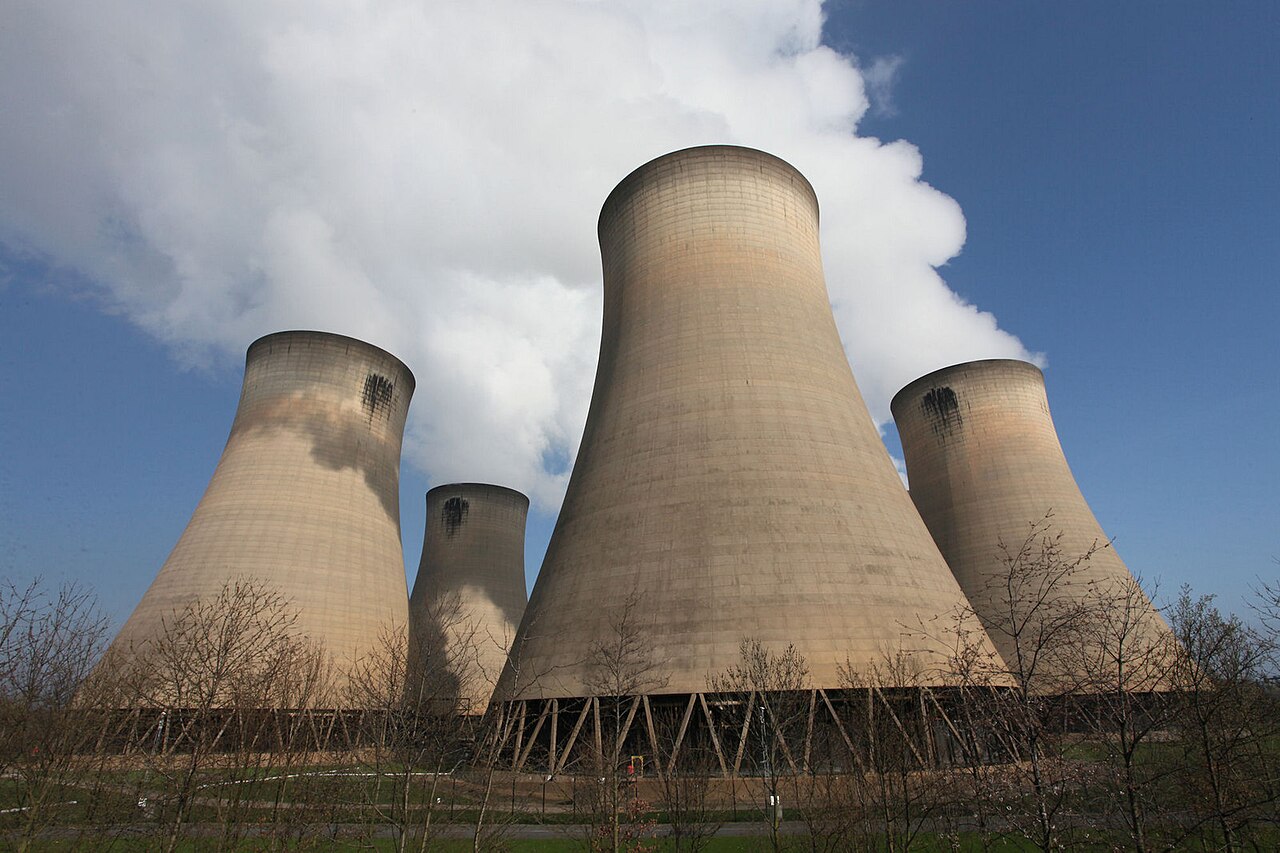
Drax’s proposal to build a datacentre at its biomass plant in North Yorkshire could produce almost double the yearly carbon emissions of all flights from Gatwick airport. That’s according to an analysis by the Natural Resources Defense Council (NRDC). The group estimates the facility would burn 4.9 million tonnes of wood annually and release 8.6 million tonnes of CO2 per year. Gatwick flights emitted 4.79 million tonnes in 2024.
Drax first unveiled the datacentre plans last year, responding to surging demand for AI computing. Such facilities consume enormous amounts of electricity for servers, cooling and other systems. Currently 315 datacentres are waiting for UK grid connections, with a combined demand of 73GW. That’s almost double the entire country’s peak winter energy use.
Public documents from Drax show the company is developing options for a 1.2GW datacentre. Only 100MW would come from the grid; the rest would be supplied by Drax’s own power station, which burns millions of tonnes of imported wood. Biomass is often promoted as clean and potentially “negative emissions” thanks to replacement forests. But scientists and environmental experts dispute that accounting. Research suggests such systems could take 150 years to become carbon negative.
Campaigners demand stricter rules for datacentres
Matt Williams, senior advocate at NRDC, called the project “one of the dirtiest datacentres out there.” His group’s estimate assumes the datacentre runs at full capacity all year. The facility hasn’t entered formal planning yet, but Drax says it could be operational from 2031 if consents are secured.
Oliver Hayes, head of policy at Global Action Plan, was blunt: “Burning millions of trees to power server farms is indefensible.” He argued the only sensible solution is a moratorium on datacentres until the government answers basic questions about how many are needed, where they should go and how pollution can be avoided. Pressure is growing for transparency. Two planned datacentres in Buckinghamshire and Bedfordshire would have higher UK carbon emissions than ExxonMobil, according to previous reports. Toby Perkins, Labour MP and chair of the Commons environmental audit committee, warned that without the right measures, datacentres “could represent a serious threat to the environment and to our legally binding climate goals.”
Drax defends the project as government weighs action
Drax dismissed the NRDC analysis as inaccurate and not independently verified. A spokesperson said the group is a longstanding anti-biomass campaigner with no positive vision for the Selby site. The company insists the datacentre plans can support UK economic growth, industrial renewal in North Yorkshire and AI sovereignty.
But Hayes said the absence of coordinated government policy is a “dereliction of duty.” The government has ruled out a datacentre moratorium, saying it would send investment and jobs abroad. Scotland took a different path: MPs there voted in September to pause all new datacentre planning applications for up to a year pending a national strategy. Williams urged ministers to act. “The government must urgently set minimum standards for datacentres and rule out dirty energy generation like burning trees,” he said.