
Ankara Summit: Europe Risks the U.S. Being Unable to Arm Its NATO Allies
The Old Continent has good reason to be concerned that the U.S. defense industrial base is no longer supplying the weapons promised to NATO allies, given that American stockpiles have been depleted due to the conflicts in Ukraine and Iran, prompting allies to consider new ways to arm themselves and defend themselves.
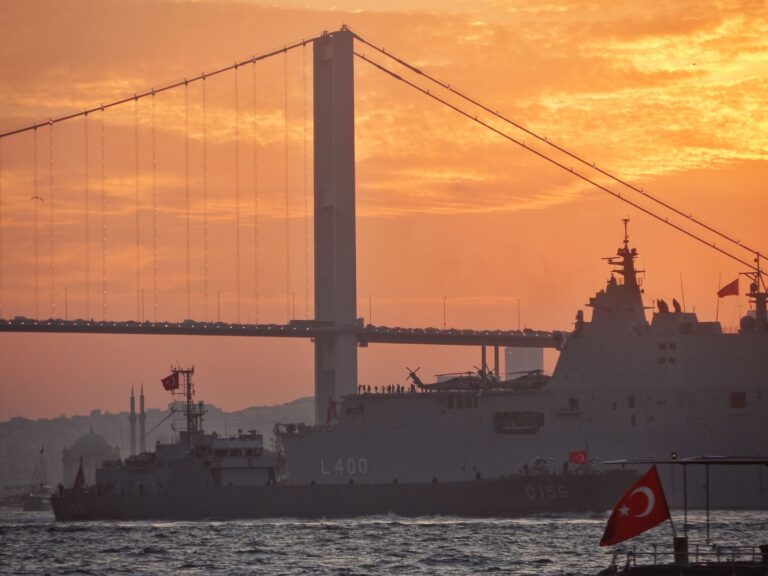
As NATO leaders, including U.S. President Donald Trump, gather in Ankara, Turkey, the U.S. intends to address the issue of European defense spending and concerns regarding the Trump administration’s future commitment to the military alliance.
This year, the U.S. has delayed or canceled deliveries of a series of key arms shipments to countries in Europe, including Tomahawk cruise missiles, HIMARS mobile rocket artillery, and the desperately needed Patriot Advanced Capability-3 (PAC-3) missiles, approximately 50% of which the U.S. had used by April of this year during the war with Iran.
These are essential for countering the threat of missile attacks in Ukraine and would also be necessary for Europe’s defense in the event of an armed conflict with Russia.

After a Russian airstrike killed at least 21 people and left dozens wounded in Ukraine on Monday, the country’s president, Volodymyr Zelenskyy, stated that the country was unable to intercept approximately 23 ballistic missiles that were launched as part of a barrage, along with other missiles and drones.
“The reason is precisely the insufficient stockpile of interceptor missiles,” Zelenskyy wrote.
“It is very important that the world—especially the United States and our European partners—take firm decisions following the NATO summit in Ankara to support our air defense and, thereby, protect the lives of ordinary people.”
The U.S. arms sales also sparked discontent among European capitals, which seethed in silence while trying to avoid direct conflict with the Trump administration to prevent an even more serious deterioration of transatlantic relations.
The U.S. has demanded that NATO allies increase their defense spending to 5% for the second consecutive year under the Trump administration and that a large portion of this money be reinvested in U.S. weapons purchases. But now the question arises as to whether future investments in U.S. weapons, including next-generation weapons, will be honored going forward.“We will have announcements worth billions of dollars on the sidelines of the summit; I’m not here to present them in detail, but I think there will be many truly interesting co-production projects, including the construction of factories and production lines in Europe and the U.S.,” said an administration official ahead of Sunday’s NATO summit.