LSE launches research on Southeast Asia environmental conflict
The London School of Economics and Political Science has launched a major research initiative examining the complex intersections of environmental politics, governance structures, and social conflict across Southeast Asia, a region grappling with rapid industrial expansion and mounting ecological pressures.
The critical political economy analysis aims to unpack how power dynamics, economic interests, and governance systems shape environmental outcomes in countries from Indonesia to Vietnam. It’s a timely intervention in a region that’s become a global hotspot for both resource extraction and climate vulnerability.
Following the Money and the Power
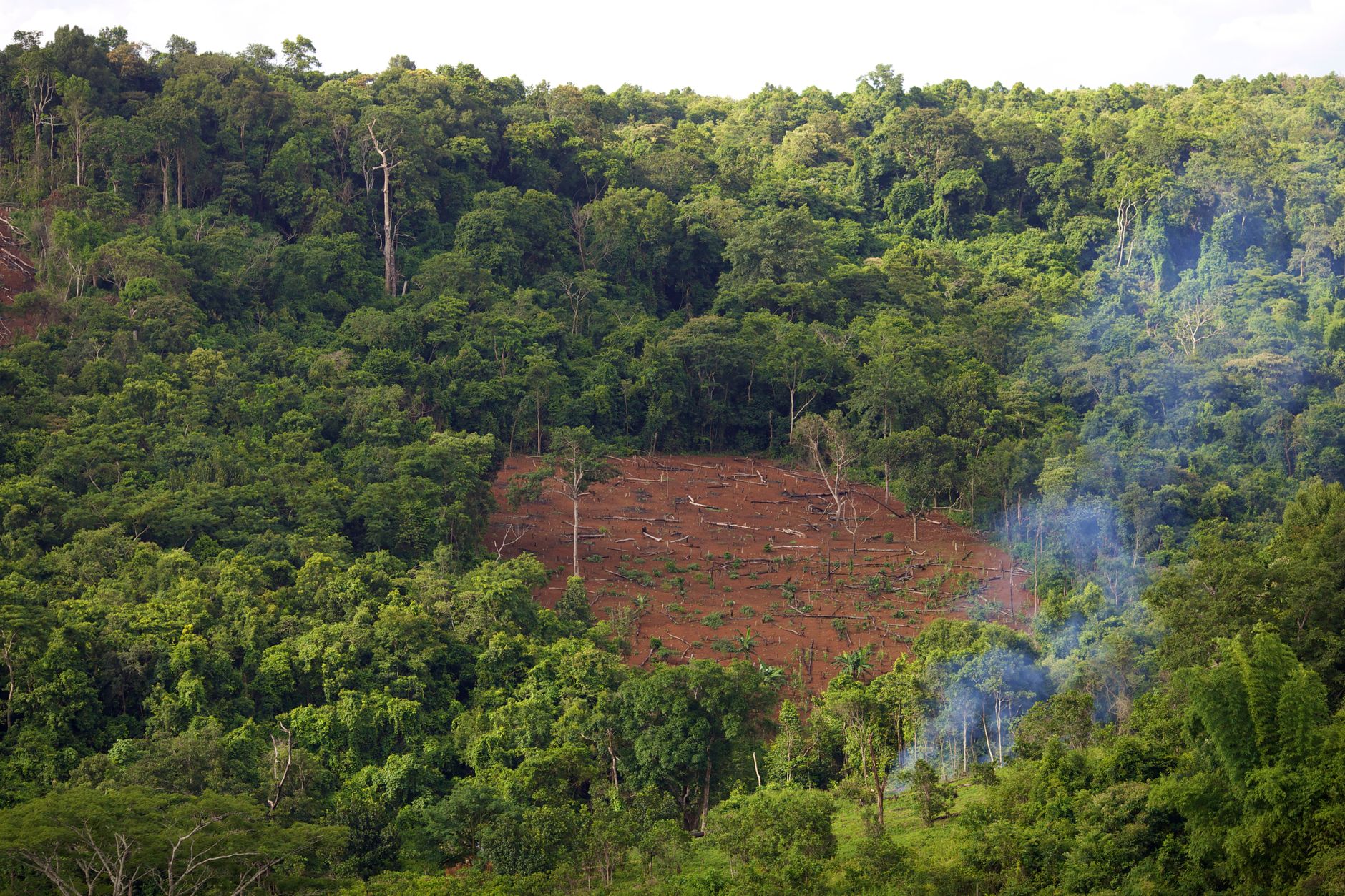
Southeast Asia presents a complicated puzzle for environmental researchers. The region accounts for roughly 15% of global greenhouse gas emissions from deforestation alone, yet its governments often struggle to balance economic development pressures against conservation goals. The LSE project will examine how corporate interests, state actors, and local communities negotiate these tensions.
Researchers will focus on specific flashpoints where environmental degradation has sparked social conflict. That includes palm oil plantations in Indonesia and Malaysia, hydroelectric dam projects along the Mekong River, and coastal development threatening fishing communities across the region.
Beyond Simple Narratives
What sets this research apart is its critical political economy lens. Rather than treating environmental problems as purely technical or managerial challenges, the analysis interrogates underlying economic structures and power relations that drive ecological harm.
“We need to understand how capital flows, governance failures, and social inequalities interact to produce environmental crises,” said a senior research fellow associated with the programme. “Simple solutions won’t work if we don’t address these fundamental dynamics.”
The research comes as Southeast Asian nations face mounting pressure to meet international climate commitments while managing domestic development needs. Indonesia alone pledged to reduce emissions by 29% by 2030, but enforcement mechanisms remain weak and contested.
Real Stakes for Real People
Behind the academic frameworks are human stories. In the Philippines, environmental defenders face increasing violence, with at least 27 activists killed in 2022 according to Global Witness. In Myanmar, conflict over jade mining has displaced thousands. And across Thailand, community protests against industrial projects have grown more frequent.
The LSE initiative will document how these conflicts emerge, escalate, and sometimes resolve. It’ll track which governance mechanisms actually work and which simply paper over deeper problems.
As climate change accelerates and resource competition intensifies, understanding these dynamics isn’t just an academic exercise. The findings could inform policy approaches that actually address root causes rather than symptoms. For Southeast Asia’s 680 million residents, that difference matters enormously.