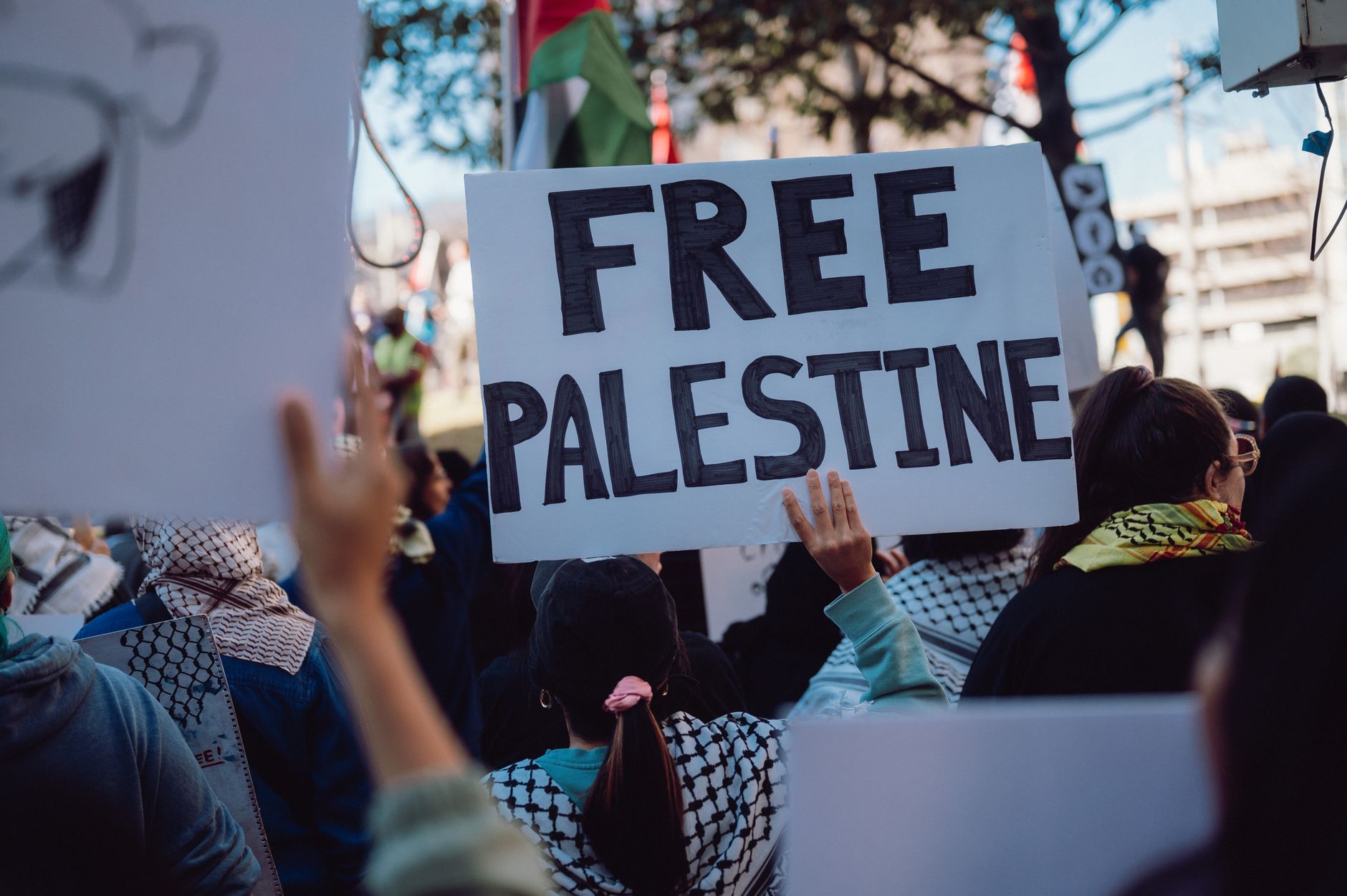
Free speech champions now target Palestine voices, critics say
The very politicians and commentators who spent years defending free speech at all costs are now leading efforts to silence voices on Palestine, according to a growing chorus of civil liberties advocates. And the shift didn’t happen gradually—it came fast and hard in the wake of October 7.
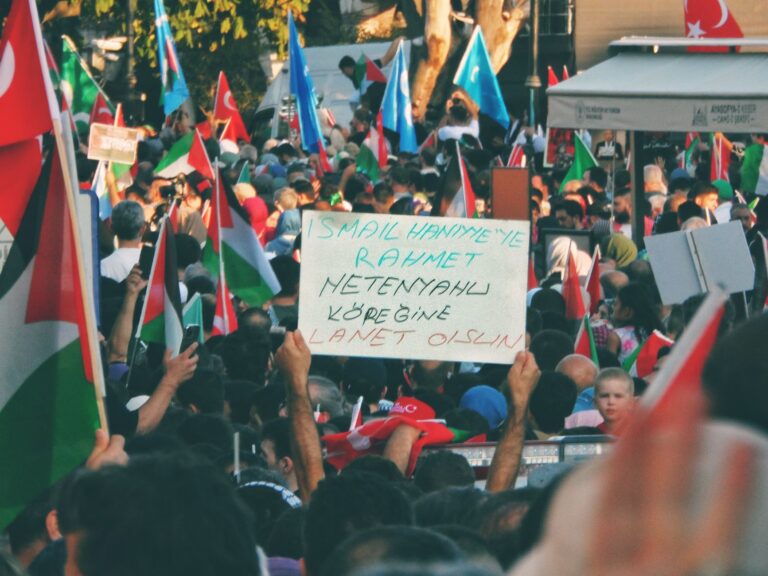
From Westminster to Washington, lawmakers who once positioned themselves as absolutist defenders of open debate have sponsored legislation to defund universities, fired academics, and pushed for deportations of protesters supporting Palestinian rights. The contrast with their previous stances has become impossible to ignore.
The Shift After October 7
In the United States, over 50 congressional Republicans signed letters demanding universities strip funding from student groups expressing pro-Palestinian views. That’s the same group that decried ‘cancel culture’ just two years ago. Meanwhile, Britain’s Conservative government proposed new guidance allowing schools to ban students from wearing Palestinian flag colours, a move that would’ve sparked outrage had it targeted any other national symbol.
The numbers tell the story clearly. According to Palestine Legal, there were more than 600 incidents of suppression targeting Palestine advocacy in the US between October 2023 and March 2024—a 400% increase from the previous year.
When Principles Meet Politics
But it’s not just politicians. Media figures who built careers defending controversial speech have gone conspicuously quiet—or actively supported restrictions—when Palestine enters the conversation. Some have called for deportations. Others have demanded university presidents resign for not cracking down hard enough on campus protests.
“We’re seeing a fundamental inconsistency in how free speech principles are applied,” said a spokesperson for the American Civil Liberties Union. “Speech protections can’t be selectively enforced based on whether those in power agree with the message.”
The Real Cost
Students have been suspended. Professors have lost tenure. Job offers have been rescinded. In one case, a New York City teacher was removed from the classroom for wearing a Palestinian flag pin—an action that would’ve seemed unthinkable for displaying support for Ukraine or Israel.
And university administrators, once criticized for being too sensitive to student complaints, now face pressure to be more aggressive in shutting down pro-Palestinian speech. Several institutions have altered their protest policies specifically to limit demonstrations about Gaza.
The question going forward isn’t whether free speech is under threat—that’s already clear. It’s whether the public will remember who stood by their principles when it was truly tested, and who didn’t.