
Parliament approves mandatory FDI screening for EU strategic sectors
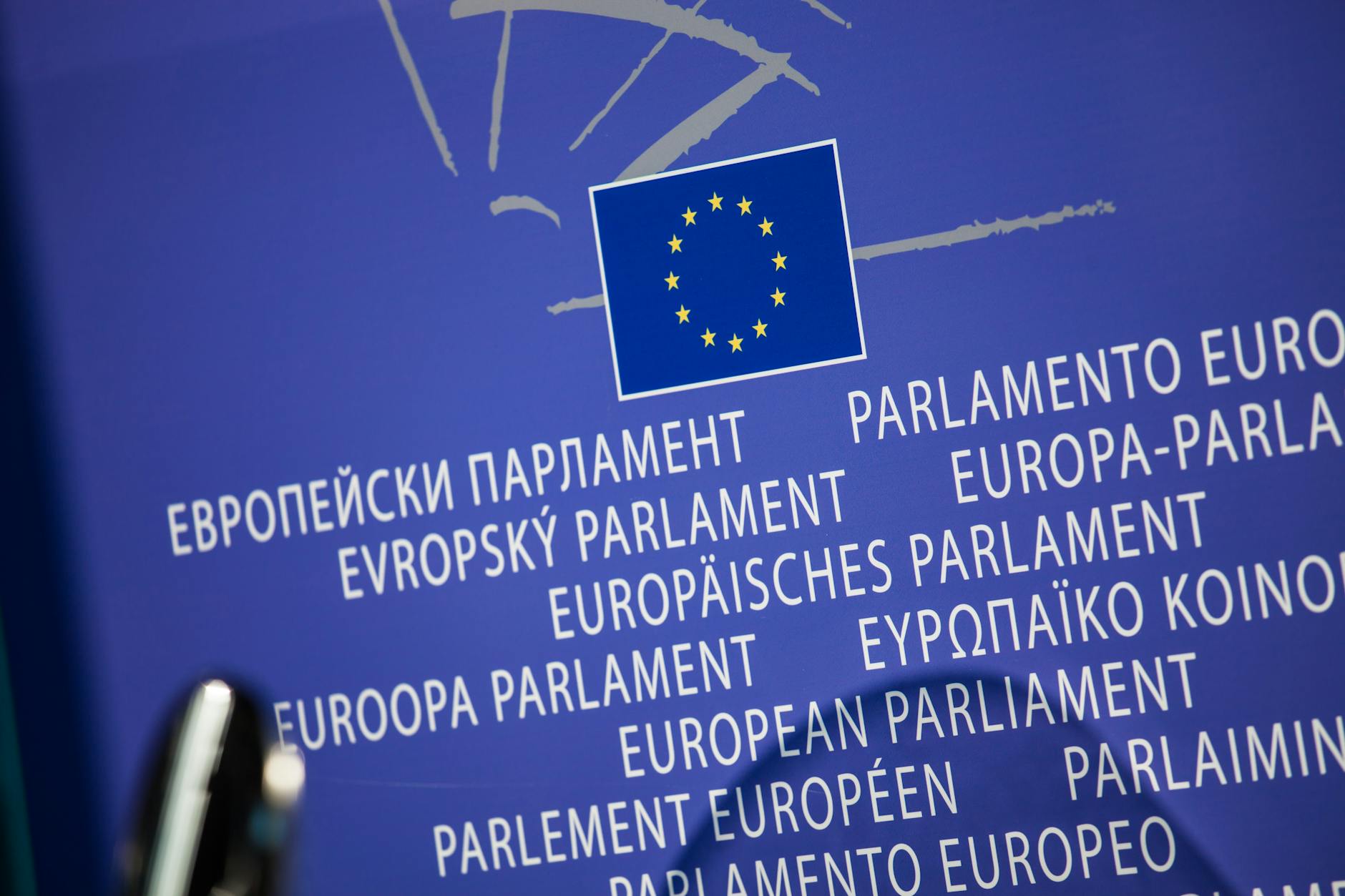
The European Parliament on Tuesday 19 May 2026 granted final approval to the European Union’s most ambitious overhaul yet of its foreign investment screening framework, with 508 MEPs voting in favour, 64 against and 90 abstaining. The vote in Strasbourg brings to a close a legislative dossier first tabled by the European Commission in January 2024 and concludes 18 months of frequently arduous interinstitutional negotiations.
From voluntary patchwork to mandatory framework
The revised Regulation supersedes the 2019 framework that had left implementation largely at the discretion of member states. Henceforth, every EU country will be obliged to operate a screening mechanism for foreign investments in a defined set of critical sectors. The list encompasses defence, semiconductors, artificial intelligence, critical raw materials, energy infrastructure, transport, digital infrastructure, electoral systems and a limited range of financial services.
The objective, as Commission negotiators have emphasised throughout the trilogues that concluded in Brussels on 11 December 2025, is to close the gaps that have permitted strategically sensitive assets to pass into foreign ownership without consistent assessment of the security implications. Under the previous regime, roughly half of member states operated a screening mechanism, with widely divergent scope and thresholds.
18-month transition period
The new rules will come into effect 18 months after entry into force of the Regulation, once formal adoption by the Council has been completed in the coming weeks. The transition period is intended to allow national authorities to adapt their administrative capacity, build interoperable IT systems and align procedural deadlines.
The Commission will also issue implementing guidance on the cooperation mechanism between member states and the Commission, which has been strengthened in the new text. National authorities will share information on investments under review through a secure platform, whilst the Commission will have a structured role in cases with cross-border dimensions.
Industrial Accelerator Act in the background
The vote comes against the backdrop of the Commission’s Industrial Accelerator Act, presented on 4 March 2026, which sets out the conditions for inbound foreign investment in specific strategic sectors. The two dossiers are designed to work in tandem: screening filters out risk, whilst the Industrial Accelerator Act sets the rules for what passes the filter.
EU officials have characterised the package as a defining test of the Union’s evolving doctrine of economic security, a concept that has shifted from a marginal trade-policy debate in 2022 to a central pillar of EU industrial strategy. With tariffs and export controls re-emerging as instruments of statecraft worldwide, the screening framework is presented as the EU’s contribution to a more disciplined management of capital flows in sectors where ownership has strategic implications.
What it means for investors
For foreign investors, the practical effect will be greater procedural clarity but closer scrutiny. The Regulation harmonises notification thresholds and deadlines across the Union, removing some of the unpredictability that businesses have long criticised. At the same time, the broader list of covered sectors will bring more transactions within the screening perimeter.
For member states, the regime brings an obligation to invest in screening capacity – a sometimes overlooked administrative cost. For the Commission, it establishes a credible institutional role at the centre of a framework that until now has been firmly intergovernmental.
Next steps
The Council is expected to formally approve the Regulation in the coming weeks, after which it will be published in the Official Journal. Application begins 18 months later. The Commission will report on implementation three years after entry into application, at which point an evaluation of the scope of covered sectors could lead to further legislative adjustments.