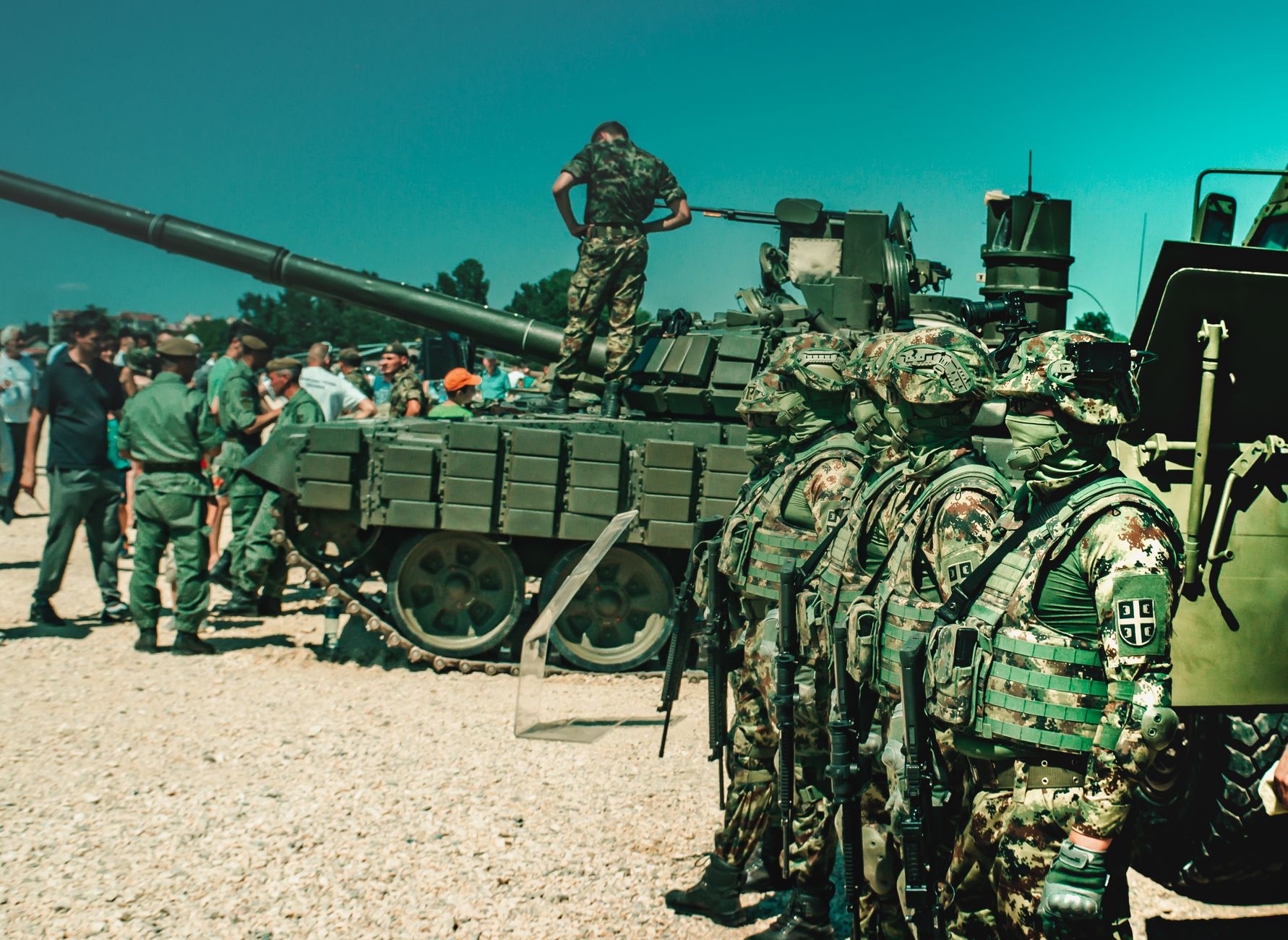
Burnham government would put military spending first, Streeting says
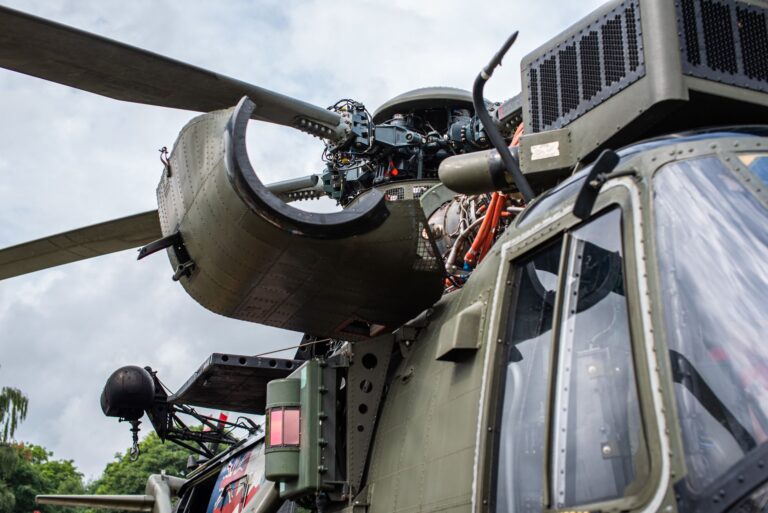
Wes Streeting has signalled that a future Labour government under Andy Burnham would make defence the top priority for public spending, placing the military ahead of the NHS, education and welfare in any future budget decisions. The comments, made during a weekend interview, mark one of the clearest statements yet about how the Burnham camp intends to position itself on national security ahead of a potential leadership contest.
What Streeting actually said
Streeting, the shadow health secretary, told journalists on Sunday that Burnham’s team believes Britain’s security environment has changed so dramatically that defence spending can no longer be treated as just another line in the budget. “The world has shifted fundamentally,” he said. “You can’t protect anything else — the NHS, public services, people’s living standards — if you can’t first protect the country.” He stopped short of specifying a precise spending target, but allies confirmed the figure of 3% of GDP is being discussed internally as a baseline.
That’s a significant jump from the current 2.3% the UK spends on defence, and it would require tens of billions of pounds in additional annual funding.
A deliberate pitch to the centre
The framing is unmistakably strategic. Burnham, who is widely expected to enter the Labour leadership race if Keir Starmer steps down before the next election, has been working to broaden his appeal beyond his northern English base. Putting military spending front and centre is a direct attempt to neutralise Conservative attacks on Labour’s defence credibility — attacks that have stuck painfully in previous elections.
But it won’t play equally well across the party. Left-leaning MPs and trade unions have already expressed frustration that public services are being implicitly deprioritised. One senior backbencher, speaking anonymously, called the move “a worrying signal that we’re chasing the last war rather than addressing the next crisis.”
The arithmetic is brutal
Here’s the problem. Britain’s public finances are stretched thin. The Office for Budget Responsibility warned earlier this year that the UK has limited headroom to absorb new spending commitments without either raising taxes or cutting elsewhere. If defence gets elevated to first-in-line status, something else moves down the queue. Likely candidates include welfare reform, infrastructure investment and — ironically — health spending, which is Streeting’s own brief.
So the political balancing act is considerable. Burnham’s team will need to explain not just why defence comes first, but what specifically gets squeezed to pay for it.
What comes next
Expect the pressure to intensify over the coming weeks as Labour MPs return from recess and the debate over party direction sharpens. Burnham is scheduled to give a major speech on security policy next month, which aides say will flesh out the numbers and set out a broader strategic vision. Whether it satisfies both wings of the party — or simply deepens the divide — remains genuinely unclear.
The defence question isn’t going away. And how Labour answers it could define the next leadership race before it’s even officially begun.