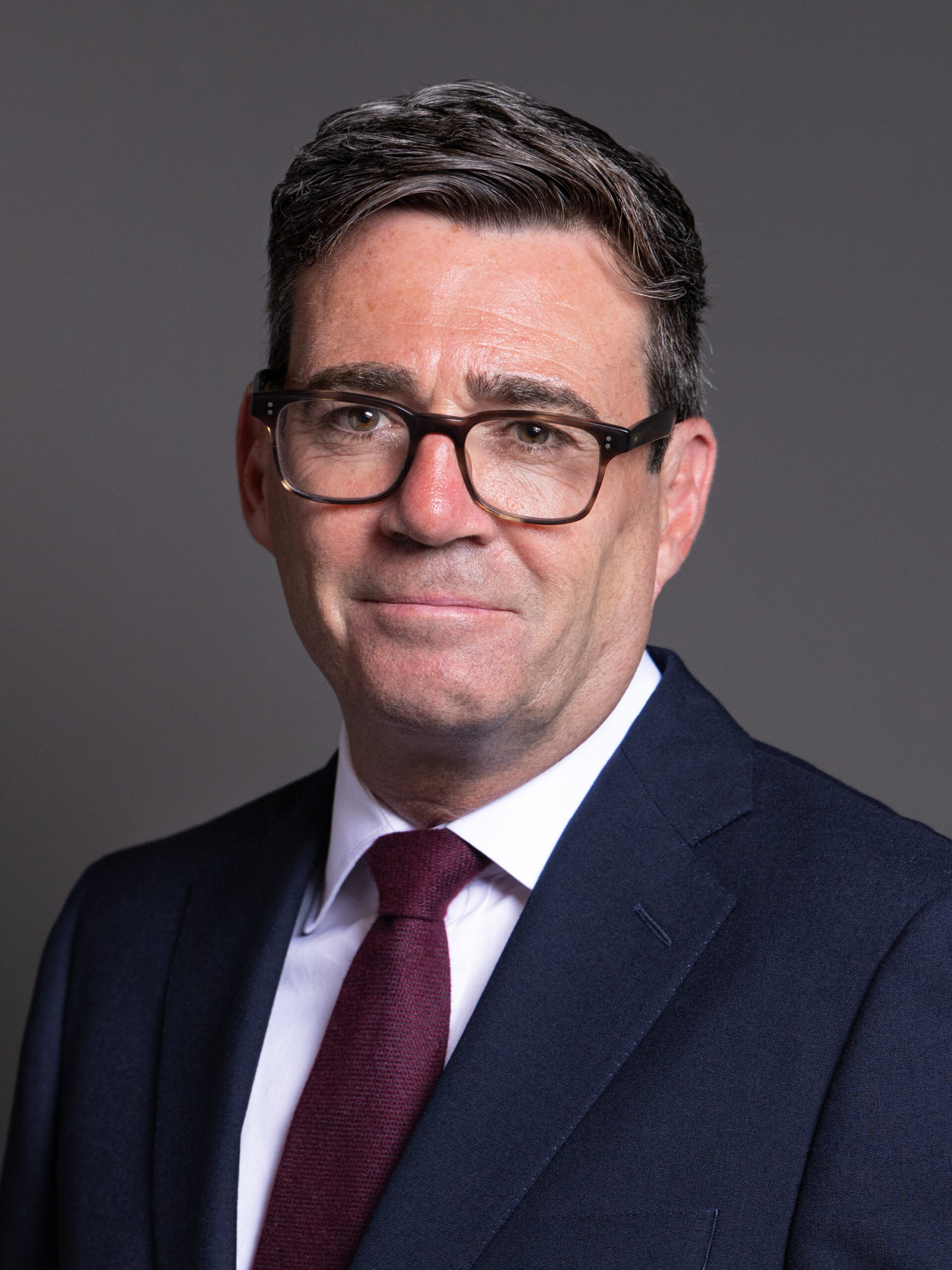
Andy Burnham’s political views: where he stands on the big issues
Andy Burnham has spent two decades near the centre of British politics, yet he’s never quite fit the mould. As speculation builds around a potential tilt at the Labour leadership — or something else entirely — understanding exactly where the Greater Manchester mayor stands has never mattered more.
Immigration: tougher than you might expect
Burnham’s position on immigration has shifted noticeably over the years. He’s no longer the open-borders liberal some on the left once claimed him to be. In recent interviews, he has called for stronger controls on low-skilled migration and argued that communities in the north of England have borne a disproportionate burden from rapid demographic change without receiving adequate public investment in return. He wants managed migration, not open doors. But he’s also been vocal about the humanitarian case for protecting asylum seekers, particularly those fleeing conflict. It’s a balancing act, and not everyone thinks he’s pulling it off.
The economy: a regionalist at heart
If there’s one issue that defines Burnham politically, it’s economic devolution. He has pushed relentlessly for greater financial autonomy for Greater Manchester, arguing that Whitehall’s grip on public spending is strangling regional growth. Under his tenure, Greater Manchester’s combined authority budget has grown to roughly £1.4 billion annually, and he’s campaigned hard for that figure to rise further.
He wants a fundamentally different relationship between London and the regions. Not just more money, but genuine power over transport, housing, skills and health. “The model of centralised government has failed too many people for too long,” a senior Greater Manchester official said this week. “What works in Salford isn’t the same as what works in Surrey.”
Burnham supported a higher minimum wage before it became Labour orthodoxy and has consistently backed public ownership of key utilities. He’s not a Corbynite — he ran against Corbyn’s preferred candidate in 2015 — but he’s well to the left of the current party leadership on economic questions.
Public services: the NHS shaped him
Burnham served as Health Secretary under Gordon Brown, and the NHS remains close to the core of his identity. He’s been a fierce critic of the internal market in healthcare and has championed the integration of health and social care at a local level, something Greater Manchester has piloted since 2016. The results have been mixed, but the ambition hasn’t wavered.
He’s also spoken about mental health with unusual directness for a politician, backing large increases in dedicated funding and pushing for parity of esteem between mental and physical health in NHS spending decisions.
What comes next for Burnham?
His current term as Greater Manchester mayor runs until 2028. He’s repeatedly denied planning a return to Westminster in the near term. But political watchers aren’t convinced. At 54, he’s still got time. And if Labour struggles in the polls over the next two years, pressure could grow for a figure who can speak to working-class voters across the red wall in a way that Keir Starmer sometimes can’t.
Burnham won’t be rushed. But he’s clearly not finished.