
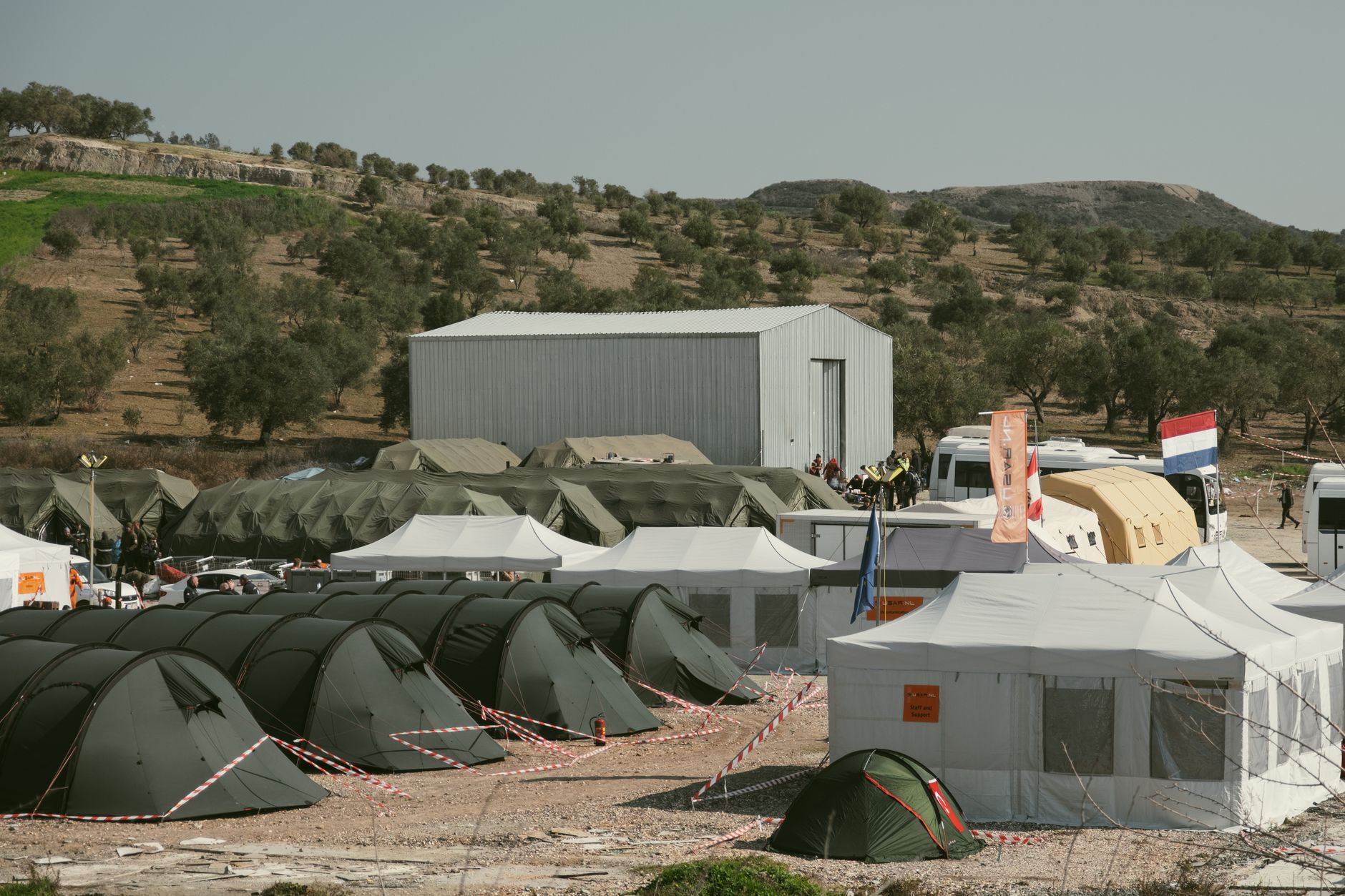
Asylum camp decision made ‘without secrecy’, High Court told
The government acted openly and within the law when it decided to house asylum seekers at a former military base, a lawyer representing ministers told the High Court on Tuesday. The claim came as campaigners pushing back against the use of Wethersfield aerodrome in Essex pressed ahead with a legal challenge that could have significant implications for how Britain processes those seeking refuge.
What the court heard
Government barrister Sarah Hannett KC told the court there was ‘no secrecy’ around the decision to convert the disused RAF site into accommodation for up to 540 single adult men. She argued that ministers had followed proper procedures and that the Home Office had been transparent at every stage. But campaigners flatly reject that version of events. Their legal team contends that local communities and relevant authorities were kept in the dark until plans were already locked in.
The case against the camp
The challenge is being brought by two local councils — Braintree District Council and Essex County Council — alongside a coalition of advocacy groups. They argue that the decision bypassed standard planning rules and failed to properly assess the impact on nearby residents. Wethersfield, a village of roughly 700 people, sits just a few miles from the site. Campaigners say the camp, which began receiving residents in June 2023, was imposed on the community without meaningful consultation.
It’s a dispute that cuts to something raw about how governments manage unpopular decisions.
Life inside the camp
Since opening, Wethersfield has become one of the most contentious asylum accommodation sites in the country. Residents have reportedly faced cramped conditions, long waits for case decisions, and limited access to legal support. Charities working with those housed there say mental health deterioration has been a serious concern, particularly for men who have already experienced trauma on often dangerous journeys to reach the UK. And yet the government has continued to expand its use of large-scale sites like this one, pointing to a housing backlog that it says left officials with few alternatives.
What happens next
A Home Office spokesperson said the government ‘remains confident’ that its decisions around large-scale asylum accommodation are lawful and that it will continue to defend its position in court. The hearing, expected to run for several days, will examine whether ministers were legally required to consult local planning authorities before pressing ahead.
A ruling in favour of the campaigners wouldn’t automatically shut the camp down. But it could force the government to restart the decision-making process — and potentially hand local councils a meaningful veto over future sites. With ministers still searching for ways to cut the asylum accommodation bill, which topped £8 million per day at its peak last year, the outcome of this case won’t be a minor footnote. It could reshape how and where the next wave of large sites gets built.