Andy Burnham’s blueprint for Britain: devolution and public ownership
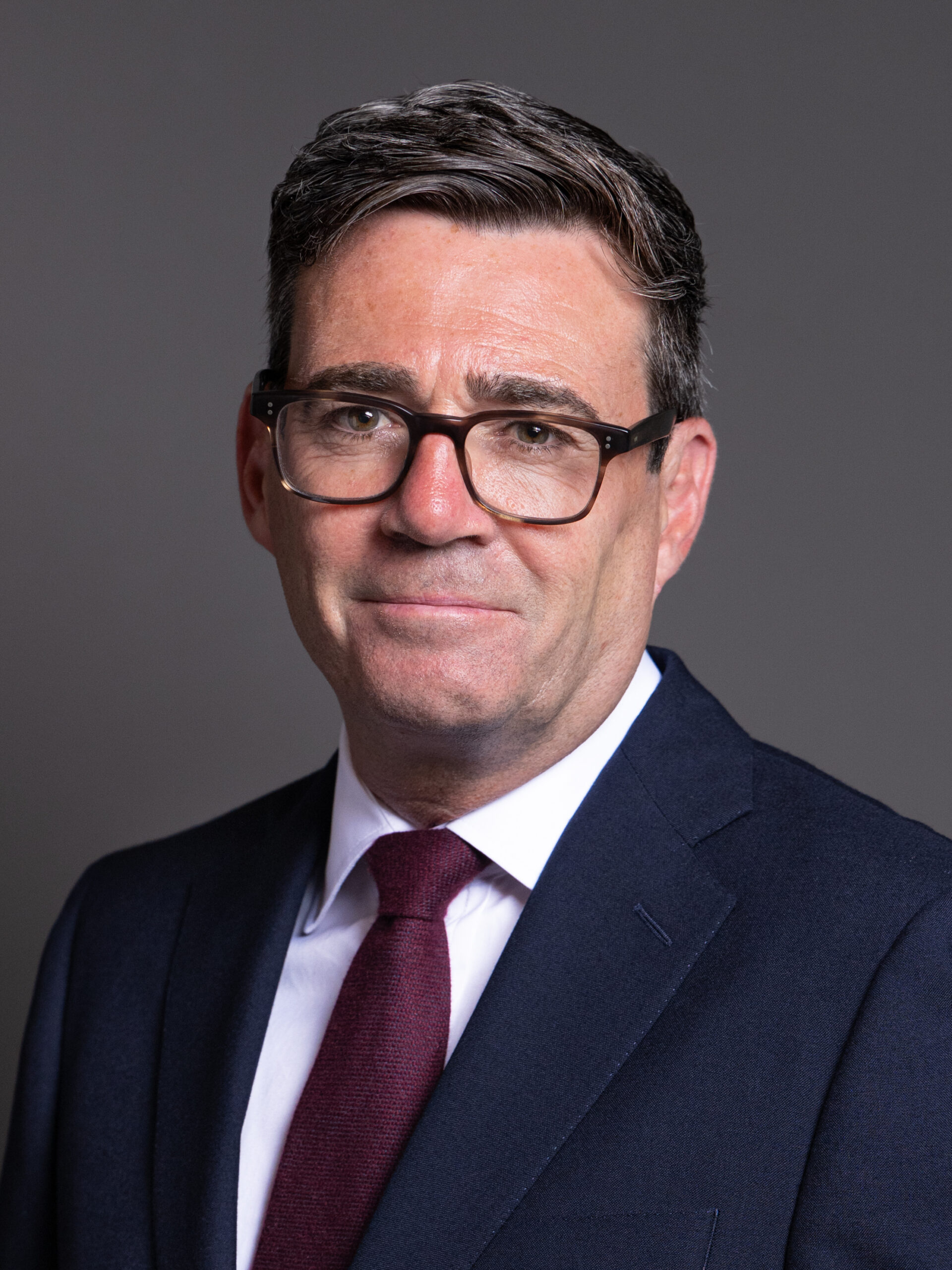
Andy Burnham is positioning himself as the man with a plan — not just for Greater Manchester, but for the entire country. The Greater Manchester mayor has spent months quietly assembling what allies describe as a serious governing vision, one that blends northern pragmatism with old Labour instincts and a dash of something genuinely new.
The core argument: power out of London
At the heart of Burnham’s blueprint is a radical push for devolution. He’s argued repeatedly that Britain’s extreme centralisation — with Whitehall controlling roughly 95% of public spending decisions — is the root cause of regional inequality. His model, tested in Greater Manchester since 2017, hands local leaders control over transport, housing, and integrated health and social care budgets. It’s not a small ask. He wants every English region to have the same deal within a decade.
The numbers he cites are striking. Greater Manchester’s economy grew faster than London’s in three of the last five pre-pandemic years. Homelessness dropped 18% after the city-region introduced its own rough sleeping strategy. Burnham uses these figures relentlessly, and they’re hard to argue with.
Public ownership and the transport question
Burnham didn’t just talk about public ownership of buses — he actually did it. Greater Manchester became the first city-region in a generation to bring bus services back under public control, completing the process in 2023. Fares are capped, routes are protected, and passenger numbers are climbing.
He wants the same logic applied nationally to rail, water, and energy distribution. But he’s careful not to sound like a 1970s throwback. His pitch is less ideological and more managerial: public ownership works when it’s done properly, with clear accountability and local democratic oversight.
A senior figure in the mayor’s office put it plainly: “Andy’s argument is that markets have failed in certain sectors, and the evidence from Manchester backs that up. This isn’t about ideology — it’s about what delivers for people.”
The political calculation
Burnham hasn’t declared he wants to be prime minister. He doesn’t need to. Every speech he gives in the next 18 months will be read through that lens anyway. He’s 54, popular in the north, and represents a strain of Labour politics that is both electable and distinctive from Keir Starmer’s cautious centrism.
Still, there are real tensions. Starmer’s government isn’t moving nearly fast enough on devolution for Burnham’s liking, and the two men’s relationship is reportedly cool. Whether Burnham can translate regional success into national credibility — and whether Labour’s internal dynamics would ever allow it — remains deeply uncertain.
What comes next
Burnham is expected to publish a more formal policy prospectus later this year, likely timed to coincide with the Labour Party conference season. Allies say it will cover industrial strategy, housing reform, and a new fiscal settlement for English regions.
Whether it’s the start of a leadership campaign or simply the work of an ambitious regional politician, Britain is paying attention.