
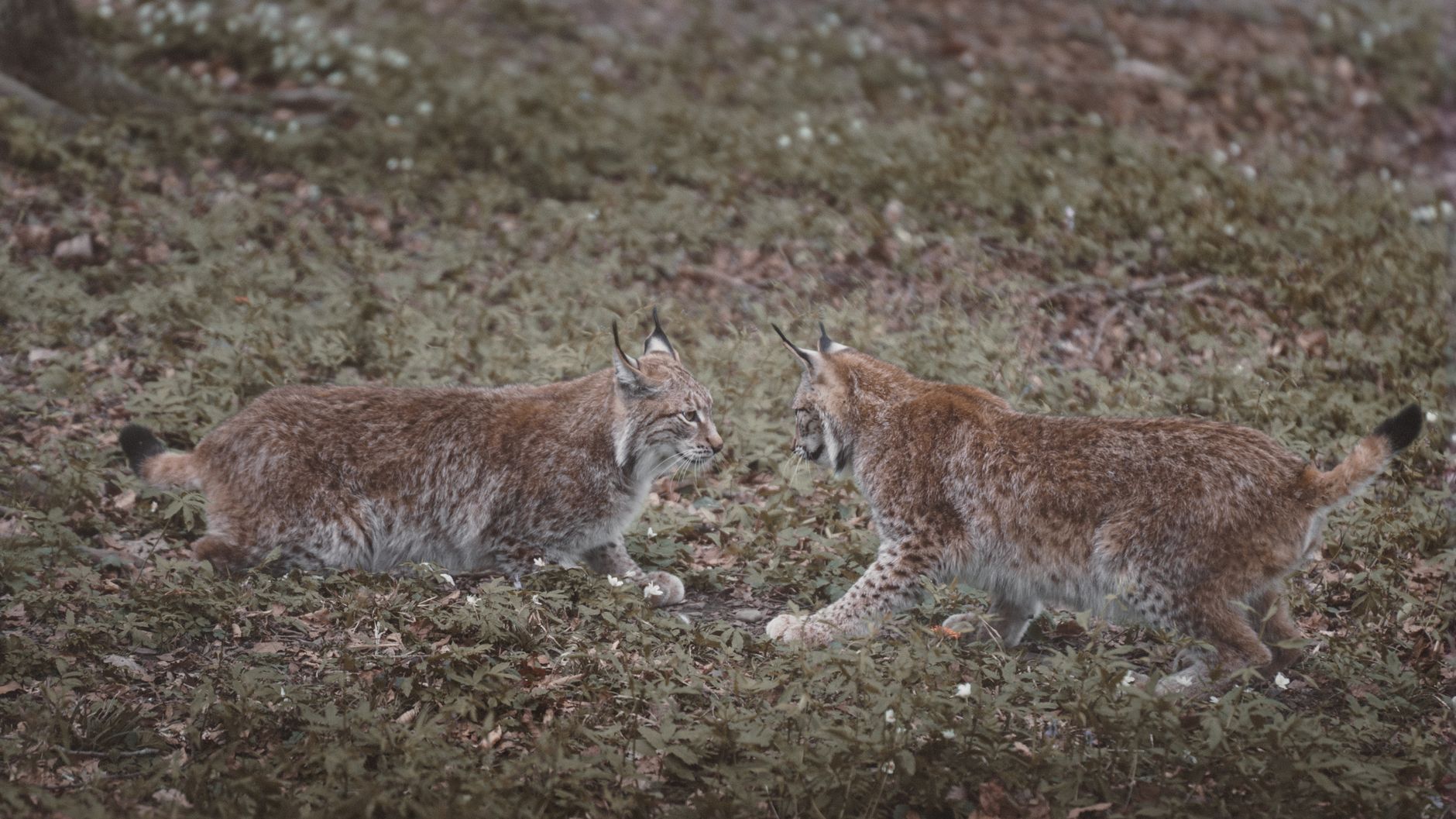
Big cat sightings in Wales include Canadian lynx over five years
A Canadian lynx is among the large wild cats reportedly spotted roaming the Welsh countryside, as new figures reveal that 15 big cat sightings were reported to authorities across Wales between January 2020 and July 2025.
What was reported and where
The sightings span more than five years and cover multiple regions, with witnesses describing animals far larger than any domestic or feral cat. The Canadian lynx sighting is perhaps the most striking of the reports. Native to North America and parts of northern Europe, the species has no established wild population anywhere in Britain. Yet someone in Wales believed they saw one.
Other reports described what witnesses believed were panthers, pumas, and large black cats — the so-called “phantom cats” that have fuelled rural folklore across the UK for decades. Still, the sheer spread of reports over such a concentrated period has prompted renewed interest from wildlife researchers and local councils alike.
Could big cats actually be living wild in Wales?
It’s not as far-fetched as it might sound. Following the Dangerous Wild Animals Act 1976, owners of exotic pets were required to obtain licences or surrender their animals. Some were almost certainly released into the wild rather than handed over. A puma was famously captured in Inverness-shire, Scotland, in 1980 — alive, healthy, and apparently well-fed.
Britain’s countryside, particularly in Wales with its dense forestry and sparse human population in places, could theoretically support a small number of large predators. Deer populations are healthy. Cover is plentiful. And a solitary, nocturnal animal is extraordinarily difficult to confirm without physical evidence.
But 15 official reports over five and a half years is a modest number, and experts are cautious.
Authorities respond carefully
“We take each report seriously and assess the information provided,” a Welsh Government spokesperson said. “In the majority of cases, sightings can be attributed to misidentification of known species, but we continue to encourage the public to report unusual wildlife encounters through the correct channels.”
Police and local wildlife officers typically investigate reports that include clear descriptions or, in rarer cases, photographic evidence. So far, no confirmed physical evidence — tracks, scat, or remains — has been publicly produced from any of the 15 Welsh sightings.
What happens next
Wildlife camera technology has improved dramatically in recent years, and community-led monitoring projects have been quietly expanding across rural Wales. Several naturalist groups now operate trail cameras in areas where sightings have been clustered, hoping to capture something conclusive.
The 15 reports logged since 2020 won’t settle the debate. But they keep it very much alive. Whether Wales is home to escaped exotics, genuinely misidentified animals, or something that defies easy explanation, the sightings show no sign of stopping — and neither does public fascination with what might be out there, just beyond the treeline.