Sinn Féin condemns burning of first minister images on Derry bonfire
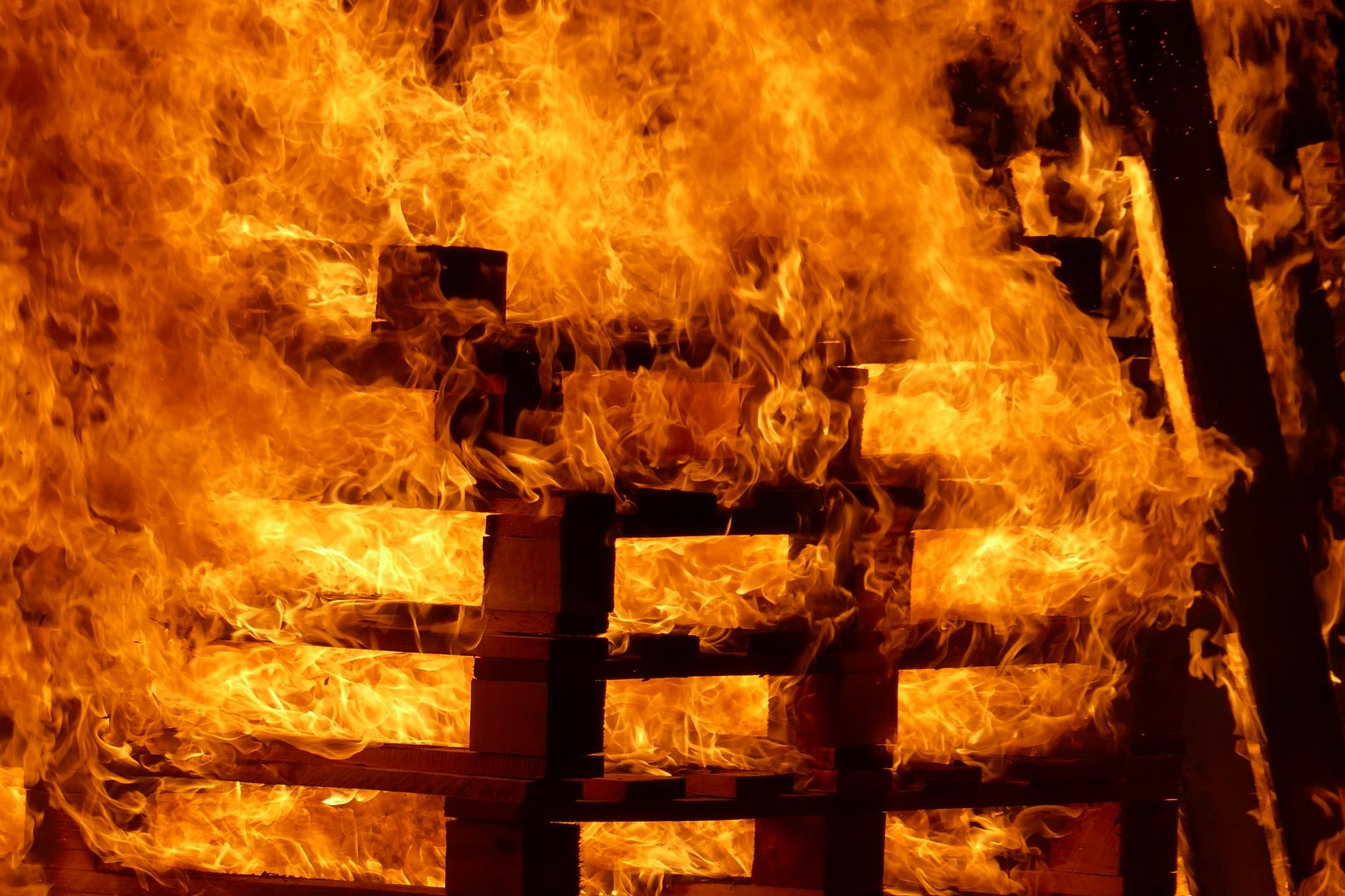
Sinn Féin has strongly condemned the burning of effigies and images of First Minister Michelle O’Neill on a bonfire in Derry, as police confirmed they are treating the incident as a sectarian-motivated hate crime.
The images were set alight during bonfire celebrations in the city’s Fountain estate on Tuesday night, drawing immediate outrage from nationalist politicians and community leaders across Northern Ireland.
Party demands accountability
Sinn Féin representatives were swift and unequivocal in their response. The party described the burning as a deliberate attempt to intimidate and dehumanise, calling on authorities to pursue those responsible through the full force of the law. It’s not the first time that bonfires in loyalist areas have been used to display sectarian imagery, but the targeting of a sitting first minister has been described by many as a significant escalation.
“This was a calculated act of hatred and those responsible must be held fully accountable,” said a Sinn Féin spokesperson. “There can be no tolerance for this kind of intimidation in our society.”
The party also called on unionist and loyalist political leaders to clearly and publicly distance themselves from what happened.
Police investigate hate crime
The Police Service of Northern Ireland confirmed on Wednesday that officers attended the scene and that an investigation is now underway. Detectives are treating the burning of the effigies and associated materials as a sectarian hate crime under relevant legislation. At least 3 separate items bearing O’Neill’s likeness were identified as having been burned, according to initial reports.
It’s unclear at this stage whether any arrests have been made. But police said they are reviewing footage from the night and are appealing for anyone with information to come forward.
A pattern that won’t go away
Bonfires remain a deeply contentious issue across Northern Ireland each summer, particularly around the July 11th celebrations that precede the Twelfth of July parades. And while many communities mark the occasion without incident, some bonfires have consistently attracted controversy for displays of flags, effigies, and other materials deemed offensive to Catholic and nationalist communities.
This year’s Derry incident follows a series of similar episodes in recent summers. In 2022 and 2023, bonfires in various loyalist areas displayed election posters and imagery targeting nationalist figures.
Still, the burning of images of a sitting first minister — the first from a nationalist background in Northern Ireland’s history — carries a particular symbolic weight that many observers say demands a stronger political response.
What comes next
Community and political leaders are now calling for a broader review of how bonfire events are policed and regulated ahead of next year’s marching season. Sinn Féin has indicated it will raise the matter formally in the Assembly when it returns from recess.
Whether that translates into meaningful legislative action remains to be seen. But with tensions already elevated heading into autumn, pressure on political leaders on all sides to respond clearly and decisively is only going to grow.