Brexit reversal: UK could retain special EU terms, says Barnier
Britain could rejoin the European Union while holding onto the favourable pre-Brexit conditions it negotiated over decades, according to Michel Barnier, the former EU chief Brexit negotiator. The comments, made in a wide-ranging interview, have reignited a debate that many in Westminster had assumed was firmly closed.
What Barnier actually said
Barnier, who led the EU’s negotiating team through the grinding, years-long Brexit process, suggested that a returning UK wouldn’t necessarily have to start from scratch. That’s a significant departure from the position many Brussels officials have taken publicly. He indicated that Britain’s pre-existing rebate arrangements and opt-outs — including those relating to the eurozone and Schengen free-movement zone — could theoretically be preserved in a future accession deal.
It’s a nuanced position, and Barnier was careful not to present it as an open invitation. But the implication was clear enough to send ripples through political circles on both sides of the Channel.
The rebate question
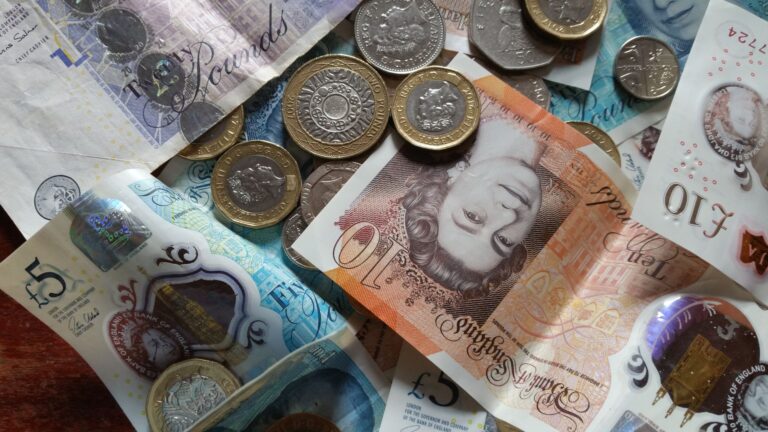
The so-called UK rebate — originally secured by Margaret Thatcher in 1984 and worth billions of pounds annually to the British Treasury — was one of the most contentious elements of the country’s EU membership. Britain received roughly £5.6 billion back from its EU contributions in 2019 alone, the last full year before formal departure.
Whether that arrangement could survive a modern accession process is genuinely unclear. EU budget structures have changed considerably since 2020, and some member states have long resented the rebate as an unfair carve-out. Still, Barnier’s comments suggest the door isn’t bolted shut in quite the way rejoin sceptics have argued.
Political reaction in the UK
The response in London was predictably divided. Pro-European groups seized on the remarks almost immediately. And senior Conservative figures, already battling internal pressures over the party’s post-Brexit identity, dismissed the idea as irrelevant to current politics.
The Labour government has repeatedly ruled out rejoining the single market or the customs union, let alone full EU membership. A government spokesperson reiterated Friday that the UK’s relationship with the EU is being built on the existing Trade and Cooperation Agreement, not a reversal of the 2016 referendum result.
That’s unlikely to satisfy the growing number of voices — including some within Labour’s own backbenches — who argue that Brexit’s economic costs demand a more honest public conversation.
What comes next
Formal EU membership for the UK remains a distant prospect at best. Any accession process would take years, require unanimous approval from all 27 existing member states, and demand a domestic political consensus that simply doesn’t exist right now.
But Barnier’s intervention matters because it shifts the terms of that conversation, even slightly. The question is no longer just whether Britain could rejoin — it’s what that might actually look like in practice.
With the next UK general election cycle already beginning to take shape, expect these questions to surface with increasing regularity.