
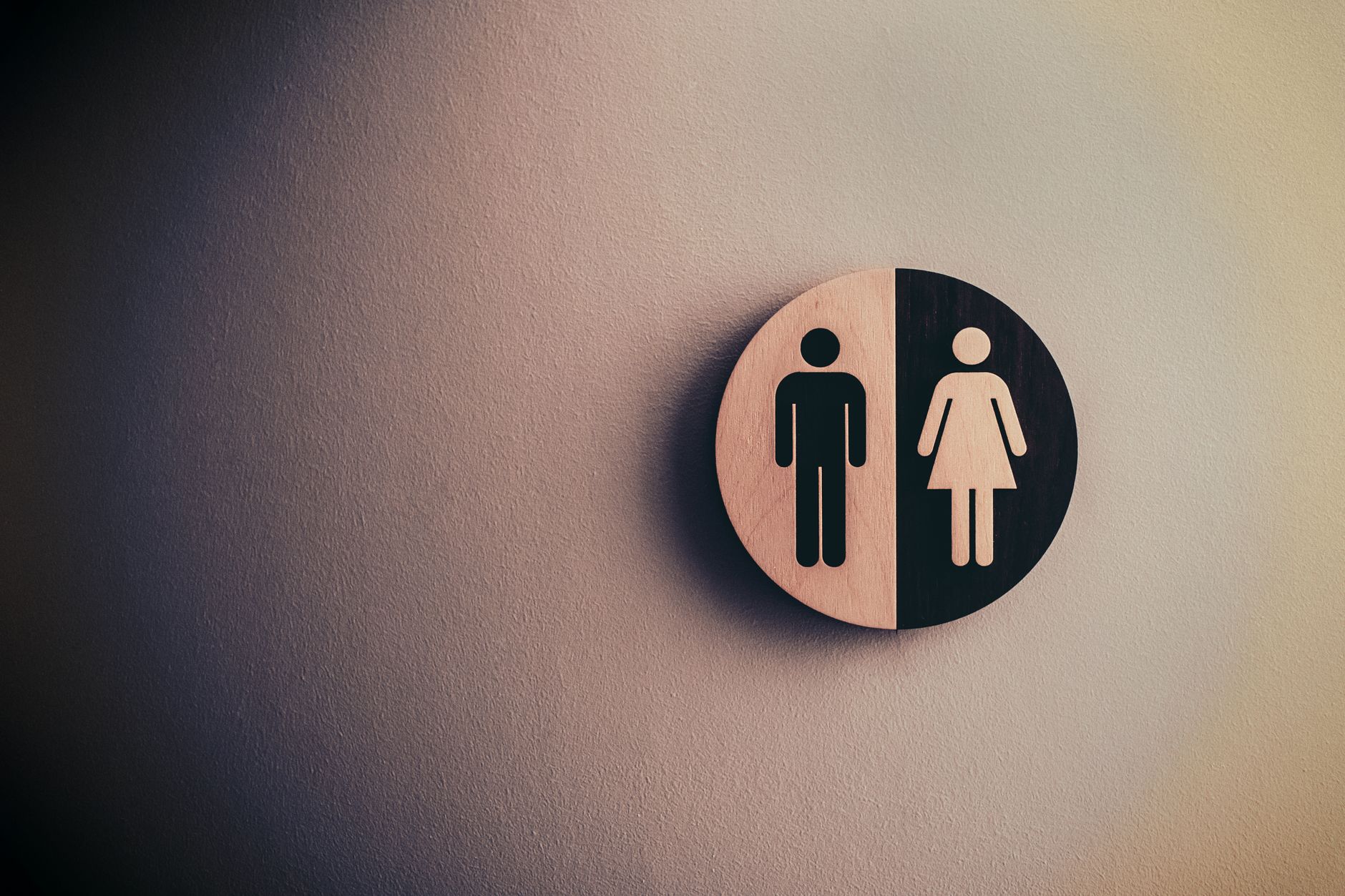
Single-sex spaces guidance takes effect across Great Britain
New rules governing who can use single-sex public spaces have officially come into force across England, Wales and Scotland, following months of heated national debate. The updated code of practice gives businesses and service providers clearer legal footing on when they can lawfully restrict access to toilets, changing rooms and other sex-segregated facilities.
What the guidance actually says
The code makes clear that service providers are permitted — in certain circumstances — to exclude transgender people from single-sex spaces without breaching equality law. It applies to spaces open to the public, including gym changing rooms, hospital wards and retail fitting rooms. Crucially, it doesn’t introduce any new laws. It interprets existing ones, specifically the Equality Act 2010, which has been a source of significant legal confusion for years.
Businesses with fewer than 10 staff are still expected to comply, though the practical guidance acknowledges that smaller organisations may face different operational constraints than large chains or public institutions.
Who’s behind it and why now
The Equality and Human Rights Commission developed the updated code following a Supreme Court ruling earlier this year that defined the term “woman” in the Equality Act as referring to biological sex. That judgment, delivered in April, prompted calls for urgent clarification. The EHRC moved quickly, publishing draft guidance within weeks and fast-tracking the final version through parliamentary approval.
A spokesperson for the EHRC said the guidance was designed to give “practical, workable advice” to the thousands of organisations that had been left uncertain about their legal obligations. “We recognise this has been a difficult area for many providers,” they added.
Reaction has been sharply divided
Supporters of the new code, including several women’s rights campaign groups, welcomed it as long overdue. They’d argued for years that the previous ambiguity left female-only spaces effectively unenforceable. But transgender rights organisations have reacted with alarm, warning the guidance will expose trans people — particularly trans women — to discrimination and potential harm in everyday situations.
The tension isn’t going away.
Some legal experts have suggested the guidance itself could face judicial review, with at least two advocacy groups signalling they’re exploring that option. Any such challenge would likely take months to reach the courts, meaning the code will be in operation for some time before its legal robustness is fully tested.
What happens next
Organisations have been given a transition period to update their policies, though the EHRC hasn’t specified a hard deadline for full compliance. Enforcement ultimately rests with employment tribunals and county courts rather than any single regulatory body, which critics say leaves accountability patchy at best.
The guidance covers around 67 million people across the three nations and affects thousands of venues, from leisure centres to NHS trusts. How consistently it’s applied — and whether it withstands legal challenge — will shape the real-world impact of a debate that’s consumed British public life for the better part of a decade.