Asylum seeker housing must include wealthier areas, Burnham says
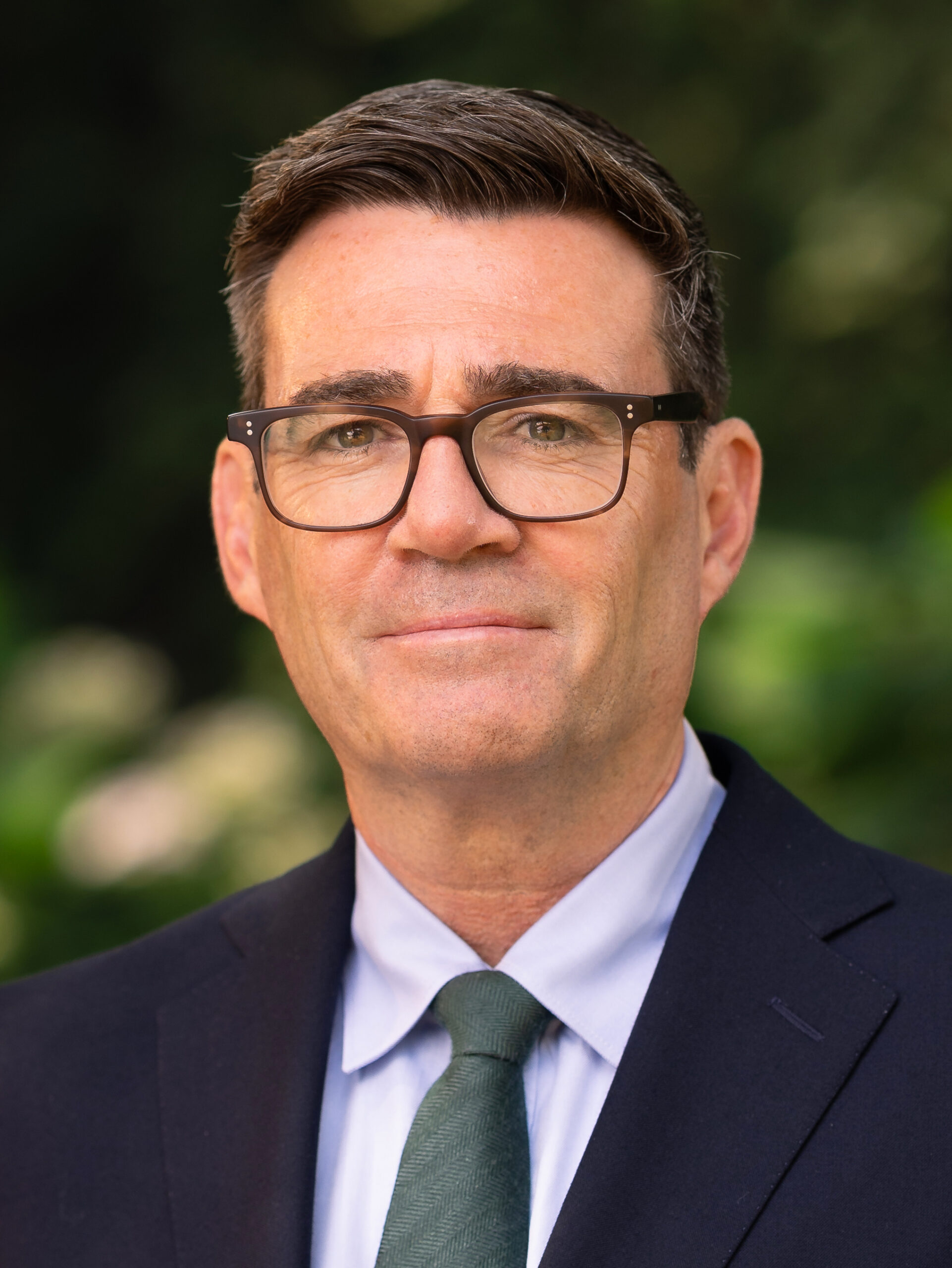
Andy Burnham has called on affluent communities across England to take a fair share of asylum seekers, arguing that the burden of housing migrants cannot keep falling on the same working-class towns and struggling coastal areas. The Greater Manchester mayor made the remarks as Rishi Sunak faced fresh questions about protests at a former military base earmarked to house asylum seekers.
Burnham takes aim at wealthy ‘not in my back yard’ attitudes
The mayor’s intervention comes after demonstrators gathered outside the Catterick Garrison site in North Yorkshire, where the government had planned to accommodate up to 1,200 asylum seekers. Critics of that plan pointed out that similar facilities have repeatedly been located in areas already dealing with stretched public services and high unemployment. Burnham didn’t mince his words. He said wealthier towns have largely avoided their responsibilities and that it’s simply not fair.
It’s a blunt message. And one that cuts across party lines.
Speaking at a regional conference in Manchester, Burnham told reporters: “We need a genuinely national approach. That means places with more resources, more housing capacity, and frankly more political clout, stepping up rather than leaving it to communities that are already under pressure.”
Sunak pressed on protests and asylum housing policy
The prime minister was challenged in the Commons about the Catterick protests, where around 300 demonstrators turned out over the weekend, some carrying placards opposing the use of the base. Sunak defended the decision to use surplus military sites, saying the government was doing what was necessary to manage record asylum application numbers, which topped 75,000 last year alone. But he stopped short of addressing Burnham’s specific point about geographic fairness.
That silence will frustrate campaigners who have long argued that asylum housing has been concentrated in low-income areas where property is cheap and political resistance is weaker. According to Home Office data, the ten local authorities hosting the highest numbers of asylum seekers are all ranked among the 30% most deprived in England.
A wider debate about fairness and community capacity
Burnham’s comments tap into a genuine and long-running frustration. Towns like Stoke-on-Trent, Middlesbrough, and Hull have repeatedly found themselves at the centre of asylum dispersal schemes while leafy suburbs in the Home Counties have seen almost nothing comparable. Local councillors in those areas have complained for years that they’re being asked to absorb pressure without the funding to match.
A spokesperson for the Local Government Association said authorities need consistent resourcing and a clearer national framework if dispersal is going to work. “Fairness isn’t just a moral argument — it’s a practical one,” they added.
What happens next
The government is expected to publish an updated asylum dispersal strategy before the summer recess, with ministers under pressure to demonstrate both control of the system and basic equity in how its costs are shared. Whether that strategy will include mechanisms to push wealthier local authorities to participate more actively remains to be seen. Burnham, for one, won’t be letting the matter drop.