British forces intercept Russian shadow fleet tanker in Channel
British armed forces have intercepted a Russian shadow fleet oil tanker in the English Channel, marking a significant escalation in the UK’s efforts to counter Moscow’s sanctions-evading maritime operations. The vessel was stopped and boarded by Royal Navy personnel on Thursday morning after raising suspicions about its ownership and cargo.
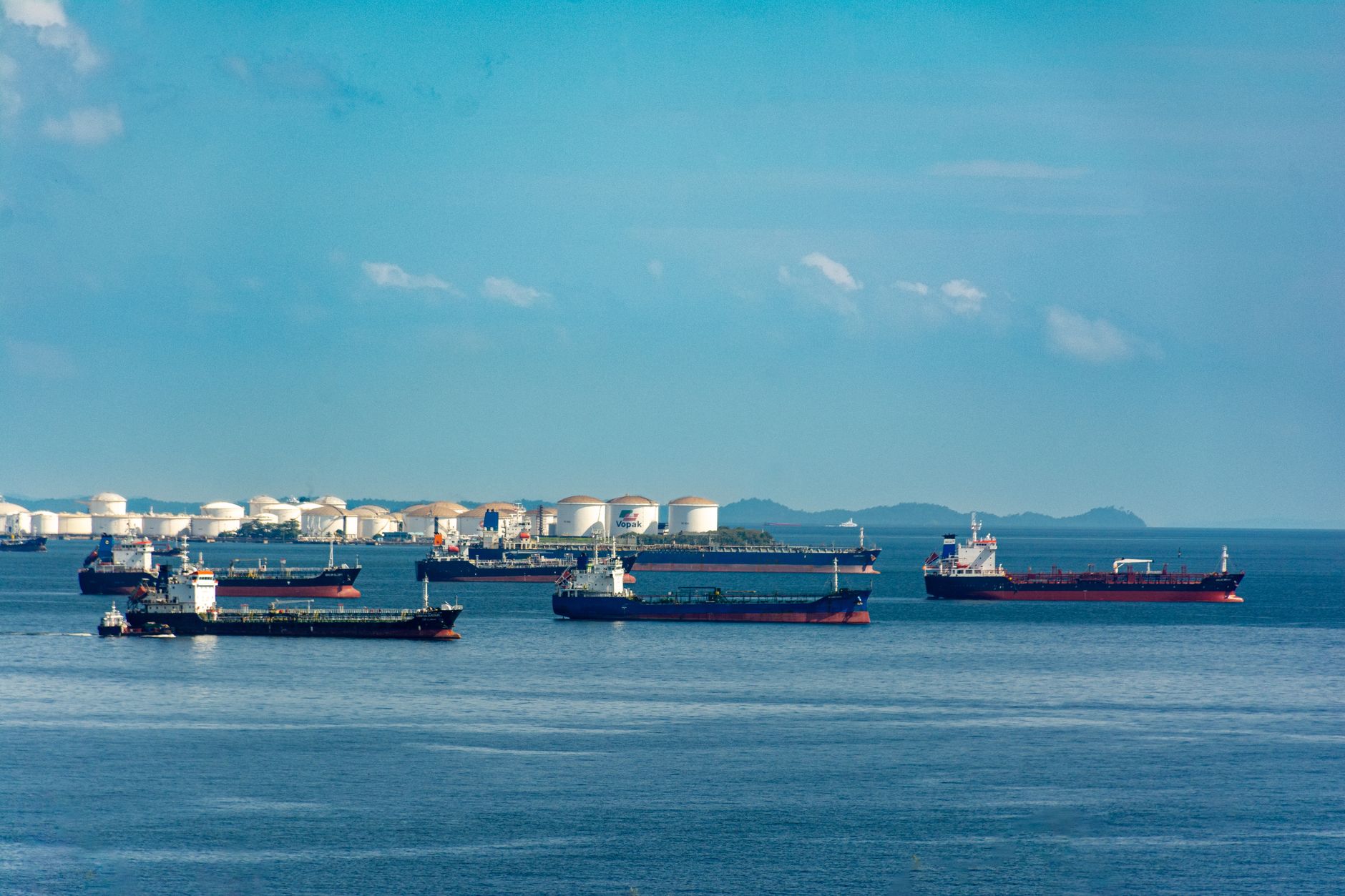
The interception comes as Western nations ramp up scrutiny of the so-called shadow fleet—a network of ageing tankers operating without proper insurance or transparent ownership structures to circumvent oil sanctions imposed after Russia’s invasion of Ukraine.
Suspicious Vessel Activity
The tanker, believed to be carrying crude oil, was tracked through the Channel after intelligence reports flagged irregularities in its documentation. Maritime authorities had been monitoring the vessel for several days before British forces moved in. Officials didn’t immediately release the ship’s name, but confirmed it was registered under a flag of convenience commonly used by shadow fleet operators.
The ship’s crew is being questioned.
According to defence sources, the vessel lacked adequate insurance coverage and its ownership trail led through a complex web of shell companies. These characteristics are hallmarks of the shadow fleet that’s estimated to number between 600 and 1,400 vessels globally. Britain has identified at least 73 tankers operating in European waters that fit this profile.
Mounting Pressure on Illicit Trade
A government spokesperson stated: “The UK is committed to enforcing international sanctions and preventing Russia from using deceptive shipping practices to fund its illegal war. We won’t hesitate to take action against vessels that threaten maritime security or violate sanctions regimes.”
The interception follows recent incidents involving shadow fleet tankers in the Baltic Sea and North Sea, where several vessels have suffered mechanical failures or run aground. Environmental groups have warned that these poorly maintained ships pose catastrophic oil spill risks to European coastlines.
But it’s the first time British forces have physically boarded such a vessel in UK territorial waters.
Strategic Implications
The move signals Britain’s willingness to take more assertive action against Russia’s maritime sanctions evasion. Since 2022, the UK has sanctioned dozens of vessels suspected of carrying Russian oil above the G7’s $60-per-barrel price cap, yet enforcement has proven challenging given the ships’ opaque ownership structures.
Maritime security analysts expect this interception to set a precedent for more aggressive monitoring and intervention. With Russia continuing to generate billions from oil exports despite sanctions, Western nations face mounting pressure to close loopholes in the enforcement regime. The fate of the detained vessel and its crew will likely influence how Britain and its allies approach the shadow fleet threat in coming months.