UK economy takes center stage at UKICE political lunch debate
Britain’s economic challenges and their intersection with domestic politics drew sharp focus at the latest UK in a Changing Europe lunch hour event, as experts examined how political decisions are reshaping the nation’s financial landscape.
The session, hosted by the influential think tank, brought together academics and policy specialists to dissect the complex relationship between Westminster’s political manoeuvres and the UK’s economic trajectory. It’s a relationship that’s grown increasingly fraught as the country navigates post-Brexit realities and global economic headwinds.
Political Choices and Economic Consequences
The discussion centred on how recent political decisions have directly impacted Britain’s economic performance. From fiscal policy shifts to regulatory changes, the panellists examined which Westminster choices have helped or hindered growth prospects.
And the timing couldn’t be more relevant. With inflation concerns persisting and productivity remaining stubbornly low, understanding the political dimensions of economic policy has become critical for businesses and households alike.
Brexit’s Continuing Economic Shadow
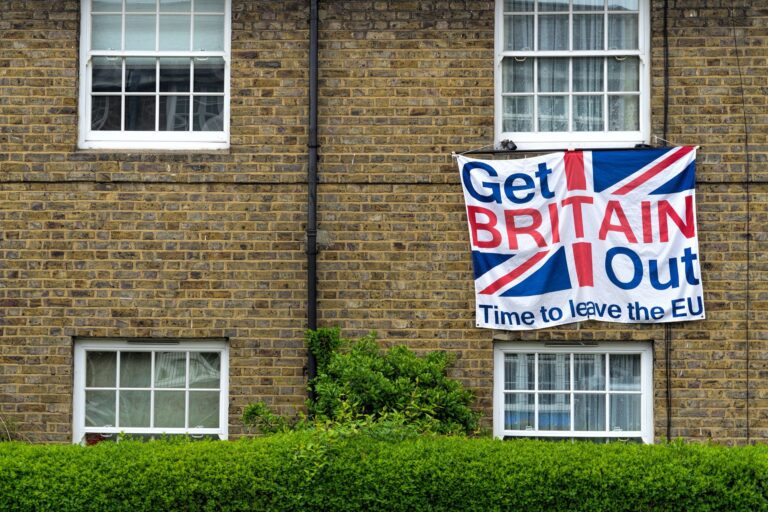
Unsurprisingly, Brexit featured prominently in the conversation. The UK’s departure from the European Union continues to cast a long shadow over economic planning and performance, with trade patterns still adjusting years after the formal split.
But it’s not just about Brexit anymore.
The panel explored how Britain’s changed relationship with Europe affects everything from labour market dynamics to investment decisions. New trade barriers have reshaped supply chains, whilst regulatory divergence has created both opportunities and obstacles for UK firms.
Looking Ahead: Political Uncertainty and Economic Planning
One policy expert noted that “the intersection of political decision-making and economic outcomes has rarely been more important for the UK’s future prosperity.” That observation captured the essence of the discussion – political choices don’t happen in isolation from their economic effects.
The session also tackled how political uncertainty itself acts as an economic factor. Investment decisions get delayed, business planning becomes harder, and consumer confidence wavers when the political direction isn’t clear. It’s a vicious cycle that’s proven difficult to break.
Yet there’s recognition that politics can’t simply bend to economic imperatives. Democratic choices involve trade-offs, and voters care about more than GDP figures alone. The challenge lies in making informed decisions that acknowledge economic realities whilst pursuing broader political goals.
As the UK in a Changing Europe continues its research agenda, events like this lunch hour session provide vital space for nuanced debate about Britain’s direction. With economic pressures unlikely to ease soon and political divisions remaining deep, understanding how these forces interact will only grow more important in the months ahead.