UK and EU agree draft deal to scrap Brexit food export checks
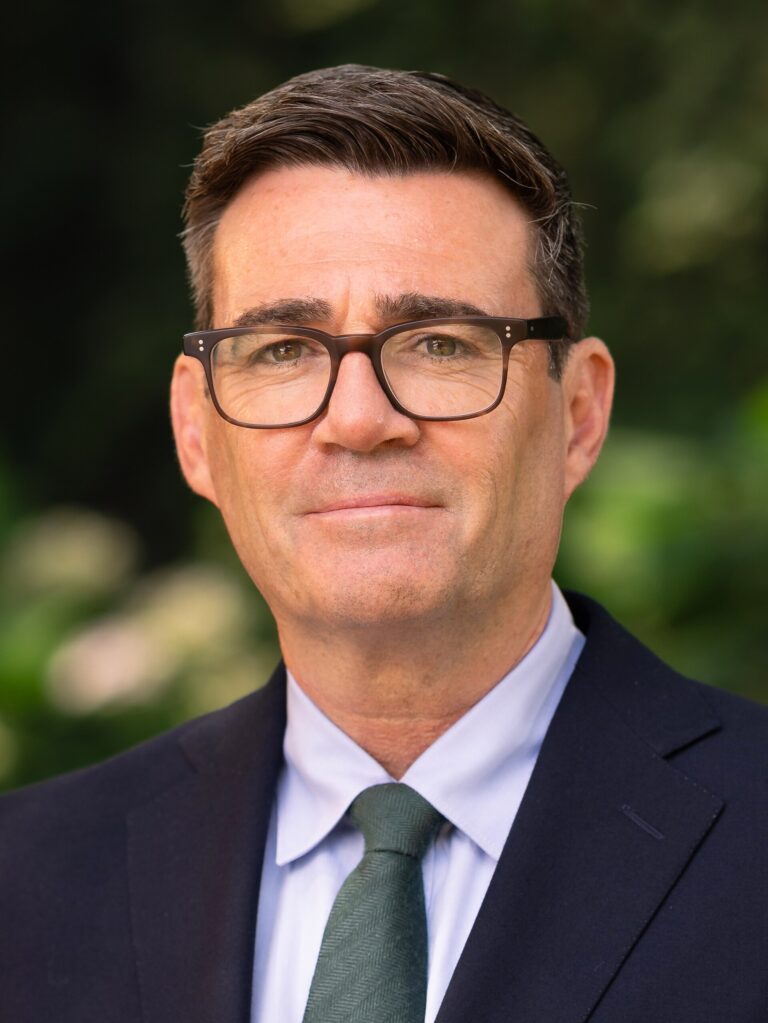
The UK and the EU have reached a draft agreement to remove post-Brexit checks on food and agricultural exports, according to a 200-page text circulated to EU member states ahead of a summit later this month. The so-called sanitary and phytosanitary (SPS) agreement is the most significant part of the Brexit reset negotiated so far, eliminating red tape that has hit exporters since Britain left the single market. The government says the deal could bring £5.1bn in annual benefits to the UK economy. Prime Minister Andy Burnham, speaking at the Commonwealth Heads of Government Meeting in Antigua and Barbuda, said it could add up to 0.4% to GDP. Exports of fresh sausages, burgers, shellfish from domestic waters, and seed potatoes would resume, and the need for £200 export health certificates and £25 phytosanitary certificates would end. Inspector fees, organic certificates, and some port fees could also be removed.
Dynamic alignment and political reaction
In return, the UK is expected to commit to observing and adapting to existing EU regulations on plant, animal, and food trade standards—a concept known as “dynamic alignment”. Burnham defended the approach: “We’re not in the EU, therefore we do have to work with them in a different way.” He added, “I think people in Britain would expect me to take that with both hands, given where we’ve been in recent times, and that’s what I’m doing.”
But the deal has drawn criticism. Conservative leader Kemi Badenoch said “dynamic alignment” would be a red line and “actually take us backwards”. Reform UK’s Richard Tice claimed it would “crush Britain’s competitiveness and force us to surrender sovereignty over trade policy”. Liberal Democrat Europe spokesperson Al Pinkerton called the draft a “patch, not a fix”, arguing the real solution is to rejoin the single market and establish a customs union.
Business impact and next steps
Small businesses have welcomed the news. Jon Walsh, chief executive of Bio&Me, told BBC 5 Live the draft deal sounded like “really good news”. His company had stopped exporting yoghurts because each pallet required a £140 vet inspection, making it unprofitable. “We’re just a small company but when we were trying to export our yoghurts before, every time we’d send a pallet we had to pay a vet to inspect it,” he said. “It was so frustrating because it was the same person filling out the same form and yet half would make it through and half wouldn’t.”
The draft agreements will be discussed at a meeting of EU ambassadors on Wednesday. Some details, including numbers for the Youth Experience Scheme, are to be finalised at political level in the coming days. The deal also has particular significance for Northern Ireland, as it would radically reduce the impact of the post-Brexit Irish Sea border by ending paperwork and checks on food products arriving from Great Britain.