Cambridge scientist killed in Spain train crash was ‘a light for all of us’
Dr Marta Shahbazi, a scientist at the University of Cambridge, was among the 69 people killed when two trains collided near Urda, south of Madrid, on 28 October. She was travelling to Andalusia to accept a prize for scientific excellence. Her aunt, María José Alonso, described her as “a light for all of us.”
A devoted scientist and mother
Shahbazi, 41, had won the Spanish Society for Developmental Biology award for her work on early human development and was due to receive it at a conference in El Rompido. She had planned to drive with her family but decided to take the train instead. “Her family was here in Madrid, and they could have gone together by car – but she said ‘no, stay here’,” Alonso recalled.
After the crash, Alonso and other relatives spent an entire day at the Madrid station waiting for news. A friend working at a hospital told her that all the injured had been identified, so Alonso initially thought there might have been a mistake. But on Saturday, the family was informed that Shahbazi’s body had been identified. A funeral was held in Madrid on Monday for the mother of two.
Shahbazi grew up in Madrid and studied biology at a public university there before moving to the UK as a post-doctoral fellow at Cambridge. She lived in Cambridge with her husband and two children and led a research group at the MRC Laboratory of Molecular Biology. Her aunt remembered rehearsing conference talks with her when Shahbazi was a child. “When she was seven or eight years old, I remember her telling me, ‘Auntie, rehearse with me, I want to change the slides for you, I want to listen to you’,” Alonso said.
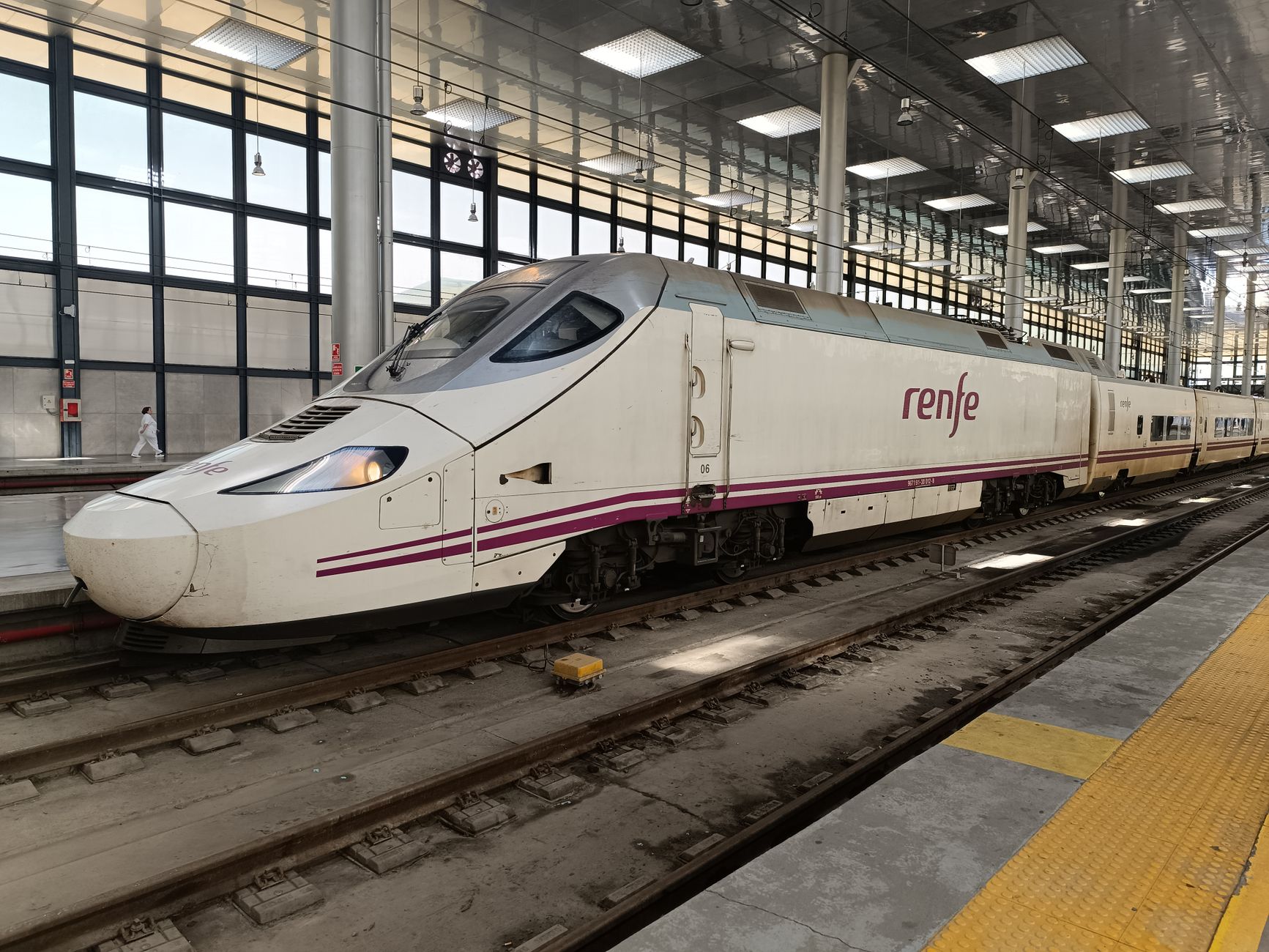
The crash happened when a state-operated Renfe high-speed train hit a stationary Iryo train. It was Spain’s deadliest rail accident since 2013. The LMB called Shahbazi an inspiring and talented scientist, and a much-admired role model for a “mother scientist”—a term she used herself. Prof Bertie Gottgens of the University of Cambridge’s Stem Cell Institute said the science community was shocked and deeply saddened.