Russian warship incident in Channel alarms UK government
A Russian warship passing through the English Channel has prompted a stern warning from Prime Minister Keir Starmer, who on Monday called the incident “deeply concerning” and signalled that Britain would not tolerate what he described as deliberate provocation near its waters. The episode has reignited debate over NATO’s ability to monitor and respond to Russian naval movements in one of the world’s busiest shipping lanes.
What happened in the Channel
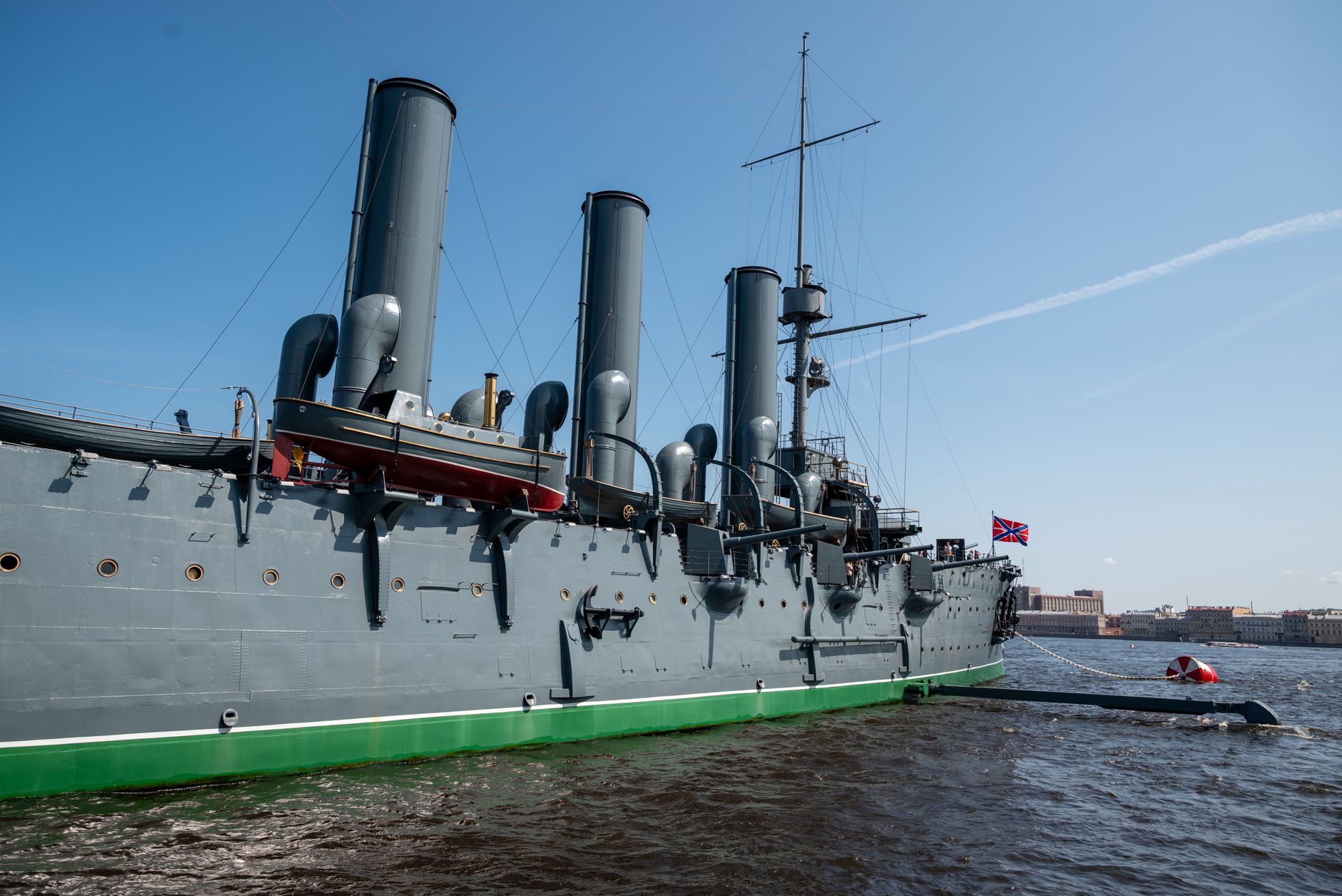
The vessel, identified by the Royal Navy as a Russian intelligence-gathering ship, was tracked moving westward through the Channel over the weekend. British naval assets shadowed it throughout the transit. The ship stayed in international waters, which means it didn’t technically violate any maritime law — but that distinction has done little to ease tensions in Westminster.
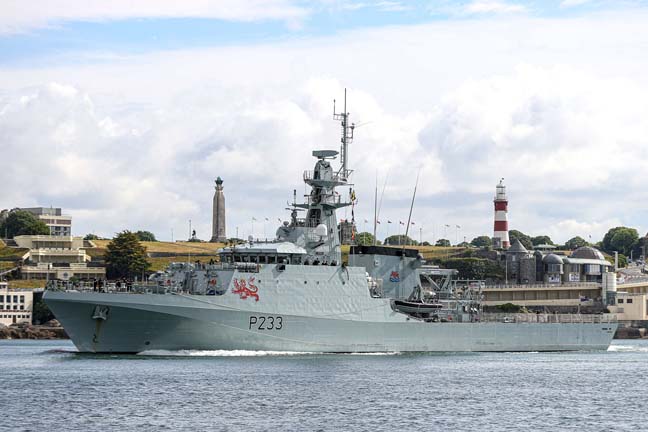
Defence officials confirmed that two Royal Navy patrol vessels were scrambled to monitor the Russian ship at close range. The operation lasted roughly 18 hours.
Starmer’s response
Speaking outside Downing Street, Starmer didn’t mince words. “This is deeply concerning and we are taking it extremely seriously,” he said, adding that his government would be consulting with NATO allies in the coming days. He stopped short of calling it an act of aggression but made clear that the UK’s monitoring capabilities were fully engaged throughout.
It’s the kind of statement designed to reassure the public without escalating the situation diplomatically. And it came just 48 hours after a separate report suggested Russian submarine activity had increased in the North Atlantic by nearly 40 percent compared to the same period last year.
Broader context and NATO concerns
This isn’t the first time a Russian military vessel has drawn attention in the Channel. But the timing matters. Relations between Moscow and Western capitals are already stretched thin over the ongoing war in Ukraine, and any military signalling — however routine Russia insists it is — carries outsized political weight right now.
A senior government official, speaking on background, said the incident was being treated as part of a broader pattern of Russian behaviour intended to test Western reactions rather than a standalone event. “We see this, we track it, and we respond,” the official said. “That capability isn’t going anywhere.”
Still, critics of the government argue that public statements alone won’t deter Moscow.
What comes next
Starmer is expected to raise the incident during a call with NATO Secretary General Mark Rutte later this week. The Ministry of Defence has also said it will publish an updated assessment of Russian naval activity around UK waters by the end of the month.
Whether that assessment leads to any change in British defence posture remains to be seen. But with a defence spending review already underway and pressure mounting from both allies and opposition MPs, the government won’t find it easy to sidestep the question much longer.