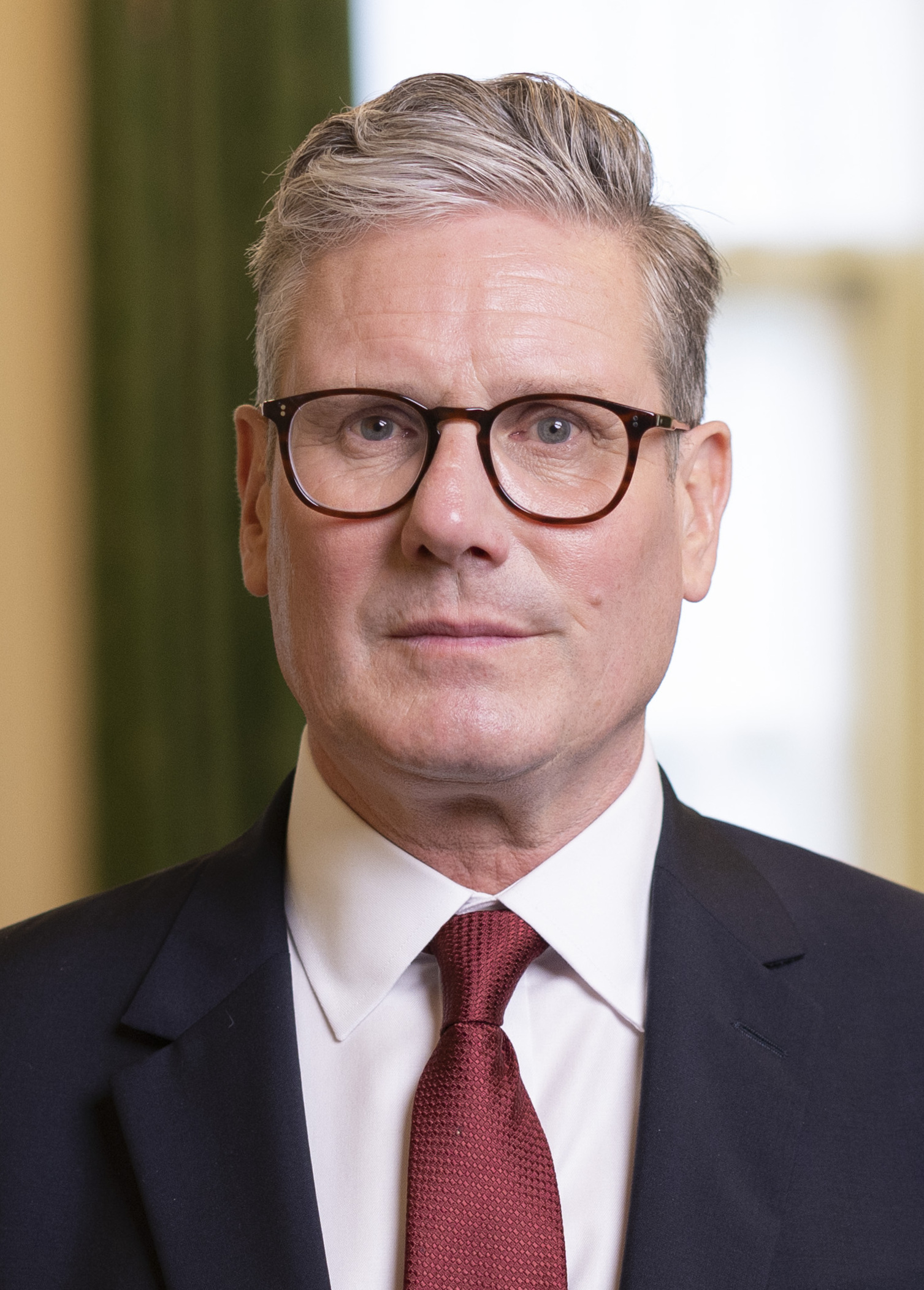
Keir Starmer’s two-year premiership: triumphs, stumbles and what comes next
Two years into Keir Starmer’s premiership, the verdict is complicated. The Labour leader who swept into Downing Street in July 2024 with the largest parliamentary majority in a generation has had moments of genuine achievement — and stretches that his own supporters would rather forget.
The early wins that set the tone
Starmer’s first months moved fast. His government pushed through a landmark workers’ rights bill within the first 100 days, delivering on a core manifesto promise that unions had waited decades to see. Public sector pay disputes, which had paralysed hospitals and railways under the previous government, were largely settled by autumn 2024. The FTSE 100 climbed steadily through the first quarter of 2025, and business confidence surveys hit a four-year high. It wasn’t all politics — it was also competent administration, which after years of chaos felt, to many voters, almost radical.
A senior government official described the period as “laying foundations that don’t always make headlines but matter enormously to working people.”
Where things got difficult
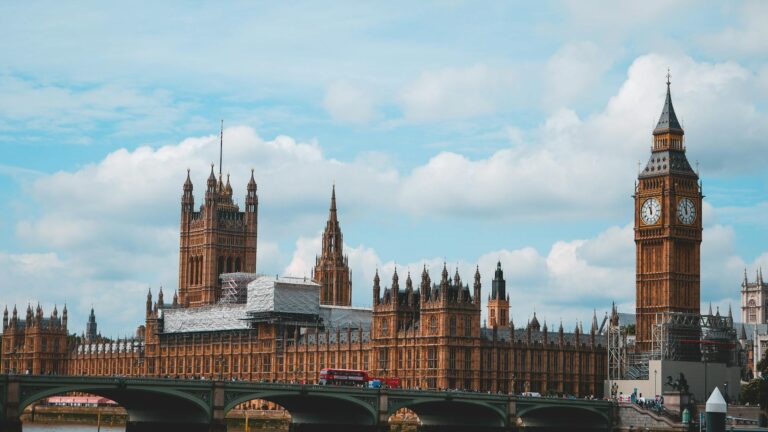
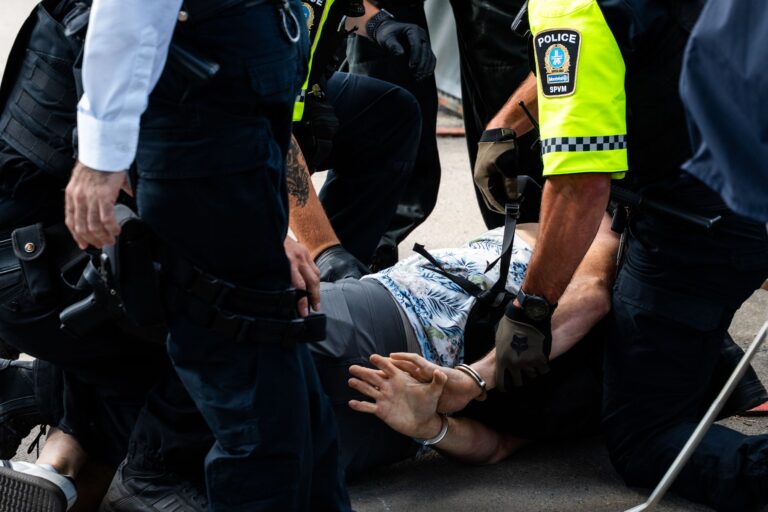
But the honeymoon didn’t last. By spring 2025, Starmer was dealing with a full-blown row over welfare cuts, with 47 Labour MPs voting against proposed changes to disability benefits in the biggest backbench rebellion of his tenure. The cuts, designed to trim roughly £3 billion from the annual welfare bill, drew furious protests outside Parliament and generated headlines that his communications team visibly struggled to manage.
The economy proved stubbornly resistant too. Inflation ticked back up to 3.4% in early 2025, squeezing household budgets that had only just started recovering. And the decision to means-test the winter fuel payment — inherited from the dying days of the Conservative government but implemented on Labour’s watch — became a political wound that wouldn’t quite close.
Foreign policy and the global stage
Yet abroad, Starmer found firmer ground. His consistent support for Ukraine, including committing an additional £2.5 billion in military aid in February 2025, drew praise across Europe. His relationship with European leaders improved markedly after years of post-Brexit frost. Still, the Gaza conflict remained a constant source of tension inside Labour, with dozens of councillors and several MPs resigning the whip over the government’s position. It’s a division that has not healed.
What the next two years might hold
The question now is whether Starmer can consolidate what he’s built before the political weather shifts again. His poll ratings sit at 34% approval — modest, but not catastrophic for a mid-term government managing genuine economic headwinds. The NHS waiting list remains above 6 million patients, and that number will define much of how his government is ultimately judged.
So the story isn’t finished. Not by a long way. Whether Starmer ends up remembered as a reformer who steadied a listing ship or a cautious leader who missed his moment depends heavily on decisions he hasn’t made yet.