Brexit at 10: Starmer’s resignation exposes Britain’s fractured future
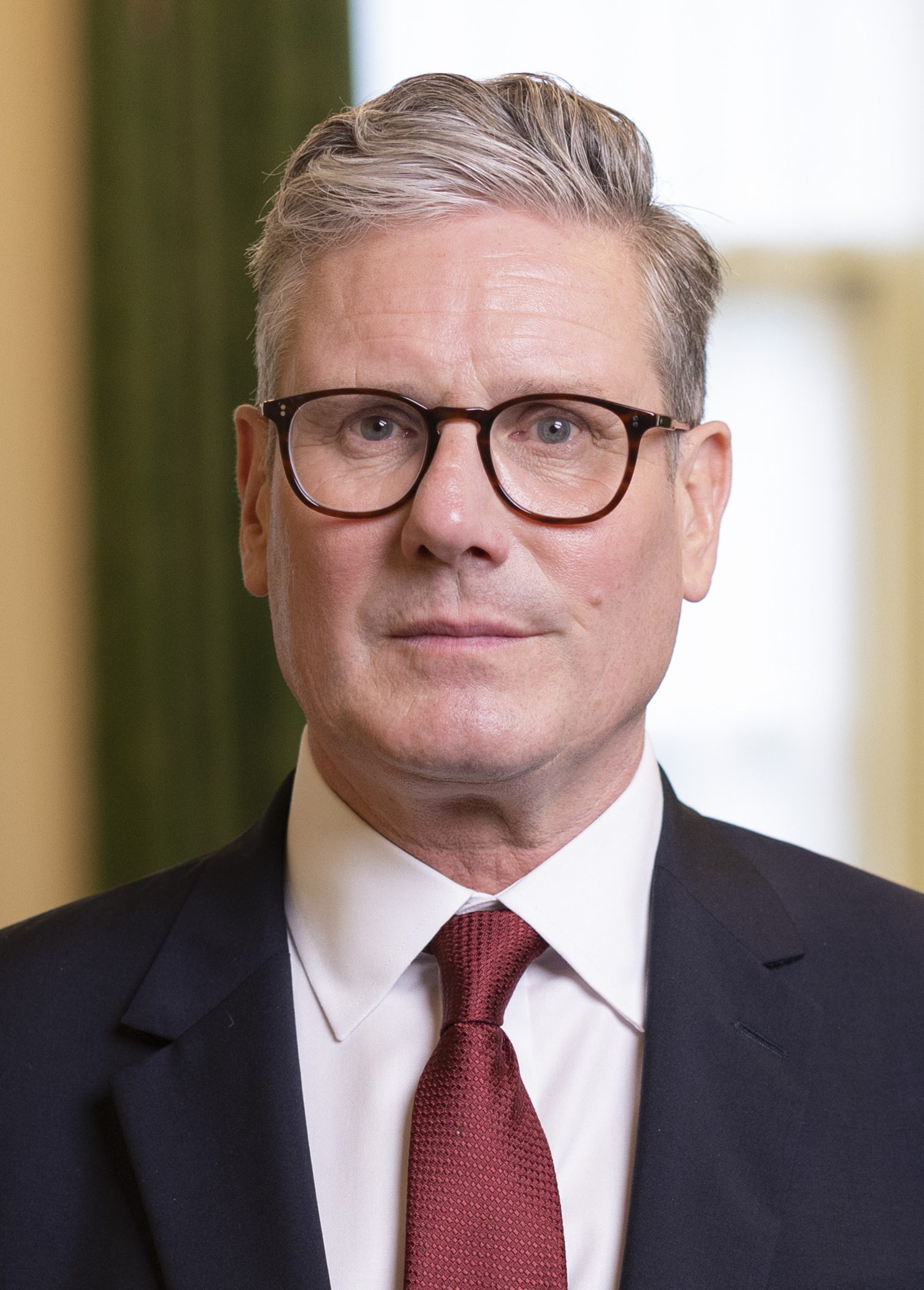
Ten years after the Brexit vote fundamentally reshaped Britain’s place in the world, the resignation of Prime Minister Keir Starmer has landed like a stone dropped into already troubled water. What began as a political crisis inside Labour has quickly become something larger — a referendum, of sorts, on where Britain actually stands after a decade of turbulence, economic strain, and identity confusion.
Starmer announced his resignation on a grey Tuesday morning outside Downing Street, citing what he called an “irreconcilable breakdown” in his ability to build consensus across a deeply divided Parliament. He had served just under three years in office. His approval rating, according to a YouGov poll conducted days before his announcement, had fallen to 24 percent — the lowest for a sitting prime minister since the final months of Liz Truss’s 49-day tenure in 2022.
A country still searching for solid ground
Brexit turned 10 this past June, and the anniversary was met with little celebration. GDP growth has averaged just 0.9 percent annually over the past decade, trailing France, Germany, and even Italy in three of the last five years. Trade with the EU remains roughly 15 percent below pre-referendum projections, according to the UK in a Changing Europe think tank. And yet, re-joining the bloc remains politically radioactive.
Still, the wounds from 2016 haven’t closed. They’ve just changed shape.
“What we’re seeing isn’t really about Starmer,” said a senior Whitehall official who spoke on condition of anonymity. “It’s about a country that made a massive, generational decision and still hasn’t built a shared understanding of what comes next.”
Labour’s internal fractures did the real damage
Starmer’s downfall had been building for months. His government’s attempt to negotiate a limited customs arrangement with Brussels — dubbed the “soft reset” — infuriated both hardline Brexiteers in the country and pro-EU voices within his own party who wanted far more. He satisfied no one. By September, 47 Labour MPs had publicly withdrawn their support in a series of staggered letters that became impossible to ignore.
And the timing couldn’t have been worse. With a cost-of-living crisis still squeezing working families and the National Health Service facing a staffing shortfall of roughly 110,000 workers, voters weren’t in a forgiving mood.
What happens to Britain now
The path forward is genuinely unclear. Deputy Prime Minister Angela Rayner has assumed caretaker responsibilities, but a leadership contest is expected to formally begin within weeks. Names being floated include Housing Secretary Wes Streeting and former Chancellor Rachel Reeves, who resigned from Cabinet in May over disagreements on fiscal policy.
Whatever Labour decides, it won’t solve the deeper problem overnight.
Britain heads into this leadership vacuum facing a trade policy that’s still half-formed, a public that’s exhausted, and a political class struggling to articulate a coherent national direction. Ten years on from Brexit, the vote may have ended. The argument hasn’t.