Healey unveils £100 energy bill payments and bank tax in first Budget
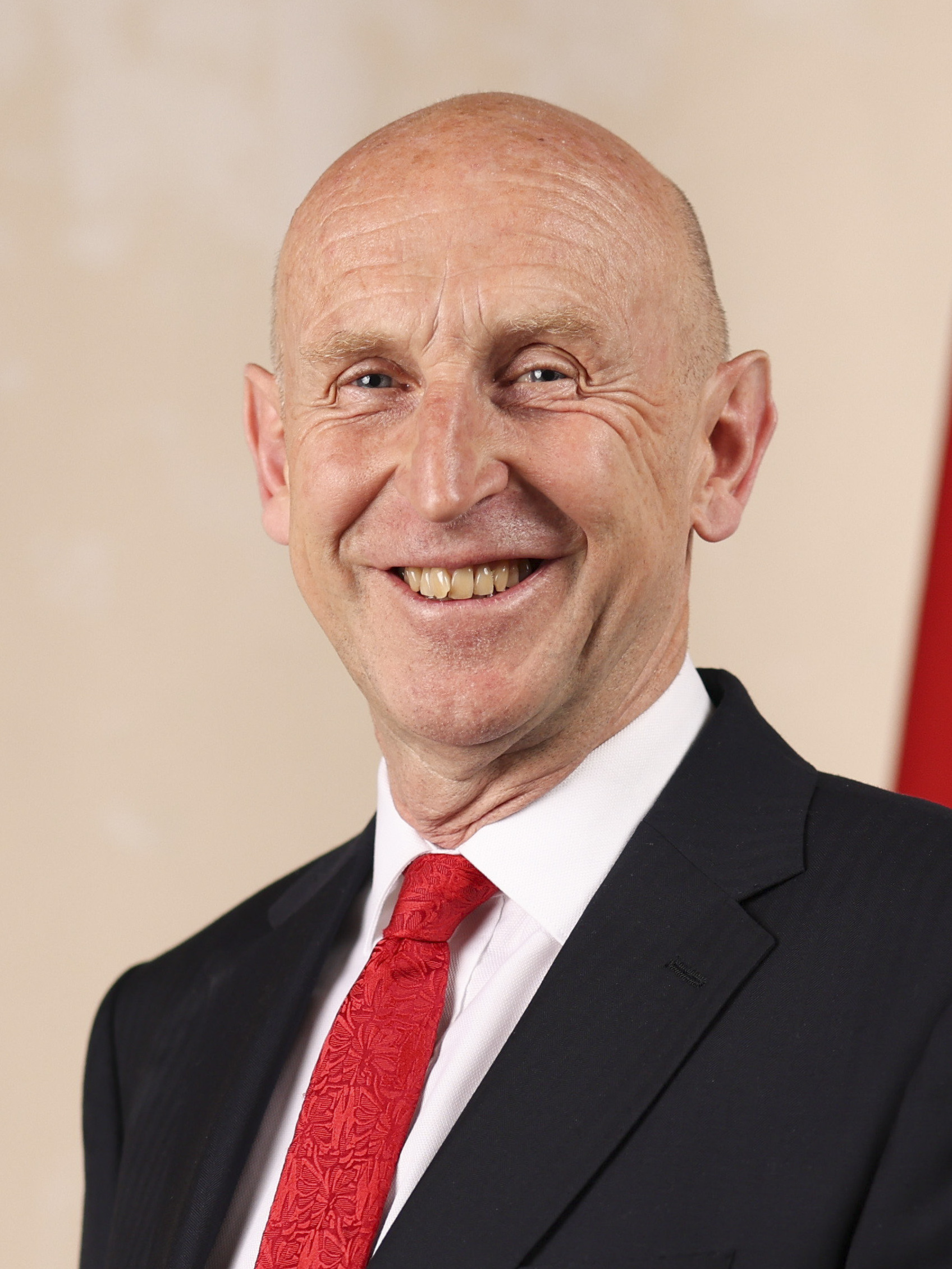
Chancellor John Healey has announced a one-off £100 payment to millions of households for energy bills in his first Budget, funded by a new tax on bank profits. The payment will go to people in council tax bands A to D in England, with Wales matching the scheme and the Scottish government planning to replicate it. Healey said he wanted to give hard-pressed families “breathing space now” and “hope for the future” as the UK economy is battered by “global economic storms”.
But the chancellor’s measures drew sharp criticism from Conservative leader Kemi Badenoch, who said his plans were “not bold enough”. She accused the government of being “overspent, overborrowed, overtaxed and drowning in an out-of-control welfare system”. Badenoch also attacked Healey over defence spending, saying he “should have set out a plan for 3% today”.
Energy bill support and tax changes
The £100 payment is a central part of the Budget’s cost-of-living support. Gas standing charges in England, Scotland and Wales will be scrapped during 2027 “or as soon as possible after”, with fixed daily fees shifted onto the price per unit of energy. That means heavy gas users will face higher bills. A 5p “temporary” cut in fuel duty on petrol and diesel has been extended to July.
To fund the energy payment, the tax on profits of big banks will rise from 3% to 6% from January next year to April 2028. Taxes on high-stakes gambling machines will also increase. Meanwhile, the business rates starting threshold for High Street shops in England will be raised from £12,000 to £18,000, but vape shops and adult gaming centres are excluded from the relief.
Economic outlook and political reaction
The Office for Budget Responsibility has downgraded its growth forecast for next year to 1%, with slightly higher increases predicted for subsequent years. The OBR also said British households will be little better off than before the Covid pandemic even a decade after it hit. OBR boss David Miles described the situation as “pretty grim”.
Healey said the UK economy is battered by “global uncertainties” and soaring oil prices caused by conflict in the Middle East. “Those are the storms we face. We can’t wish them away. We must choose the course we steer through them,” he told MPs.
Other measures included plans to allow regional mayors to keep 20% of business rates and a share of income tax for local priorities, with an aim for mayors to retain 100% of business rates by the end of the decade. Healey called it “the most radical act of devolution in a generation”. But the Budget drew a mixed response. Helen Miller, director of the Institute for Fiscal Studies, said it “has a raft of fiddly measures but very little that will move the dial on growth”. Lib Dem leader Sir Ed Davey said until the government fixes the UK’s trading relationship with the EU, any Budget is just “tinkering around the edges”. Reform UK leader Nigel Farage called it full of “little giveaways” with no “anything of any value on defence whatsoever”.