EU steel vote: 50% tariff and 47% quota cut head to plenary
The European Parliament enters the 18–21 May plenary session with one of the most consequential trade decisions of its legislative term: formal endorsement of a new steel safeguard regime to replace the 2018 measures expiring on 30 June 2026. The package, agreed in trilogue on 14 April between Council, Parliament and Commission, sets the out-of-quota duty at 50% – double the existing 25% – and slashes tariff-free imports to 18.3 million tonnes annually, a 47% reduction on 2024 quotas.
The strategic case
For Brussels, the new regime serves both defensive and strategic purposes. The European Commission estimates that global steel overcapacity will expand from the current 602 million tonnes – five times annual European demand – to 721 million tonnes by 2027. With third countries from the United States to Turkey imposing or maintaining protectionist measures, the EU has become the residual destination for diverted production.
Melt and Pour requirement
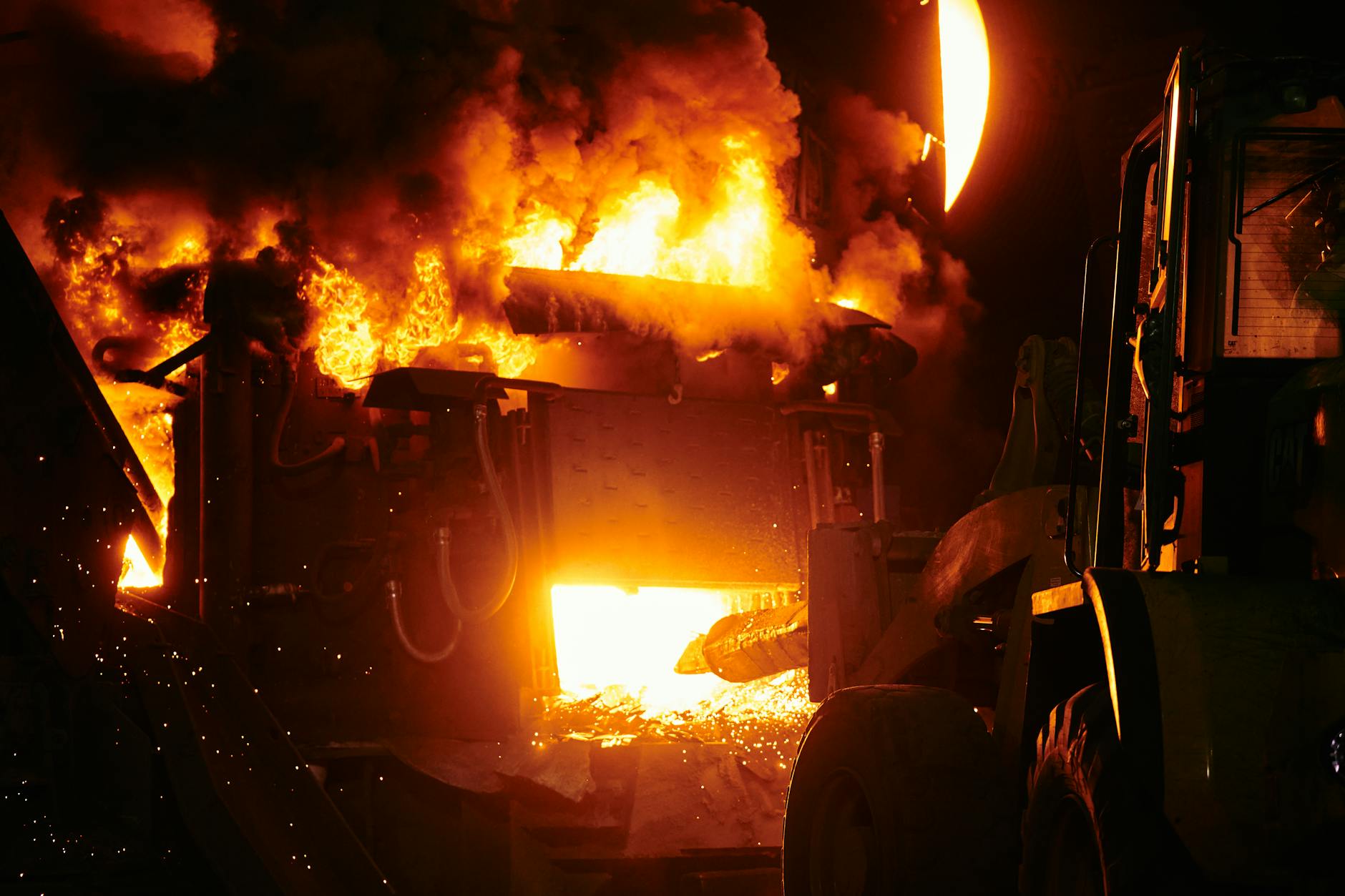
The most novel element of the framework is the ‘Melt and Pour’ traceability requirement. Importers must identify the country in which steel was originally produced in liquid form within a steel-making furnace, irrespective of subsequent processing. The mechanism is explicitly designed to prevent circumvention of the new tariffs through third-country processing – a pattern that has accelerated since 2018.
‘Phasing out Russian steel’
Lead negotiator Karin Karlsbro (Renew, Sweden) summarised the political stakes following the trilogue: ‘Combating the negative trade effects from global overcapacity on the EU steel market is essential. With the agreement, the Parliament, the Council and the Commission could jointly declare the importance of swiftly phasing out all import of Russian steel products.’ The joint declaration accompanying the regulation commits the institutions to gradual phase-out of Russian steel imports, alongside diversification of supply.
Industry support, downstream concerns
The German Steel Industry Federation (WV Stahl) and Italian sector associations have welcomed the agreement. The new structure, according to industry sources, restores the foundation for investment in decarbonisation – particularly in hydrogen-based direct reduction routes – that had been stalled by import pressure. Downstream users, by contrast, warn of higher input costs for sectors ranging from automotive to white goods.
WTO compatibility
The legal basis raises non-trivial questions. The Commission has invoked Article XXVIII of the General Agreement on Tariffs and Trade (GATT) to justify the higher tariffs, which permits adjustments provided that the balance of mutually advantageous concessions is maintained. Compensation claims from major exporters – Turkey, South Korea, India – are widely anticipated, and trade lawyers expect protracted WTO negotiations through 2026 and 2027. The Commission will conduct two scoped reviews, at six and 12 months after entry into force, to assess whether additional product categories – including tubes, pipes, and certain wires – should be brought into scope.
For European business
The combined effect on European steel users is significant. A doubling of the out-of-quota duty raises the effective cost of marginal imports considerably. With the Iran war keeping energy prices elevated and the ECB moving towards possible rate rises in June and September, European manufacturers face a 2026 environment in which both energy and key intermediate inputs become more expensive. The expected entry into force on 1 July gives industry six weeks to prepare contracts and inventory positions accordingly.