
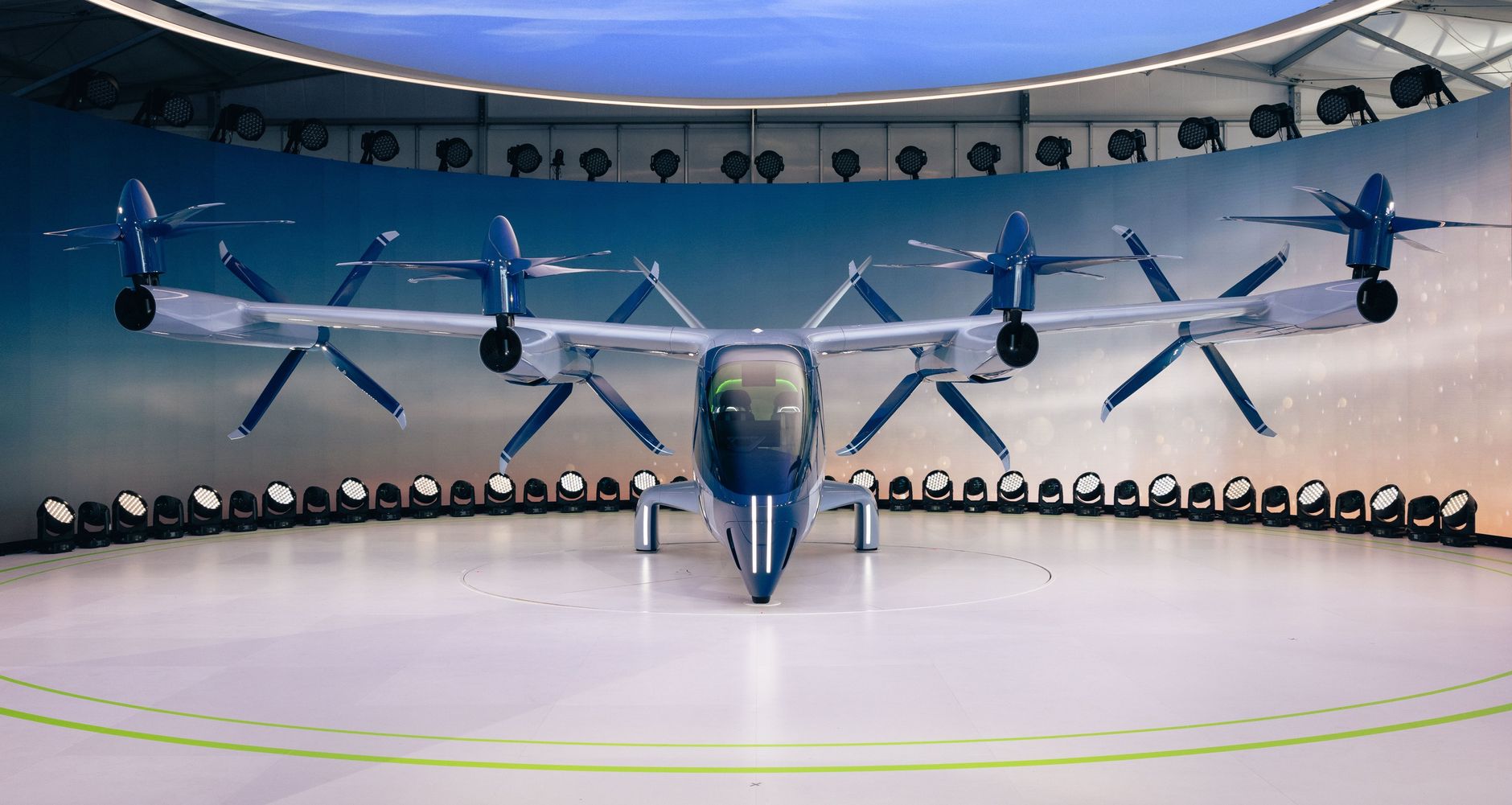
Electric flying taxi eyed by UK military ahead of 2029 launch
The British military is reportedly exploring the use of electric flying taxis for operational purposes, with manufacturers targeting a commercial launch as early as 2029. The move signals a significant shift in how defence planners are thinking about short-range aerial mobility — and it’s raising eyebrows across both the aviation and defence sectors.
What’s being considered
Defence officials have been in discussions with several electric vertical take-off and landing (eVTOL) companies about potential military applications. These aircraft, which can carry between four and six passengers at speeds of roughly 150 to 200 mph, are being assessed for roles including troop transport, medical evacuation, and rapid logistics in contested environments. They’re quieter than helicopters, cheaper to run, and require far less maintenance. That’s a compelling combination for a military increasingly squeezed by budget pressures.
Britain isn’t alone in looking at this technology. The US Army has been testing similar craft since 2022, and NATO partners across Europe have flagged eVTOLs as a priority area for dual-use technology investment.
The companies in the frame
Several firms are understood to be in conversations with the Ministry of Defence. Joby Aviation, the California-based company that has logged more than 1,000 test flights, is considered a frontrunner. UK-based Vertical Aerospace, which went public in 2021 and has been developing its VX4 aircraft, is also reportedly involved. Vertical Aerospace has pre-orders worth over $5 billion, mostly from commercial airlines — but a military contract would add serious credibility to its trajectory.
Still, nothing is signed. And the road from prototype to battlefield is rarely smooth.
Challenges remain significant
Battery technology is the stubborn bottleneck. Current eVTOL designs offer a range of around 100 to 150 miles on a single charge — useful in urban settings, but potentially limiting in complex military operations that demand flexibility and endurance. There are also serious questions about cybersecurity vulnerabilities in software-heavy aircraft, and whether existing military pilots can be retrained quickly enough to meet a 2029 timeline.
“We’re at an early but genuinely exciting stage of assessment,” a defence procurement official said. “The technology is moving faster than most people expected, and we want to make sure the UK doesn’t miss the window.”
What comes next
The Civil Aviation Authority is expected to certify the first commercial eVTOL flights in UK airspace by 2026 or 2027, which would give the military real-world performance data before committing to procurement. The government has also pledged £273 million toward Future Flight research under its Aerospace Technology Institute programme, some of which is feeding directly into eVTOL development.
Whether flying taxis end up ferrying soldiers across conflict zones or simply shuttling supplies between forward bases, 2029 is shaping up to be a pivotal year. The question is whether the technology — and the military’s appetite for risk — will be ready in time.