
Made in Europe scheme: Healey to push for UK access at EU talks
Chancellor Healey is set to ask EU finance ministers to open the Made in Europe industrial programme to UK firms. The move could benefit British manufacturers as early as 2026.
Trade, City of London, sterling and EU markets
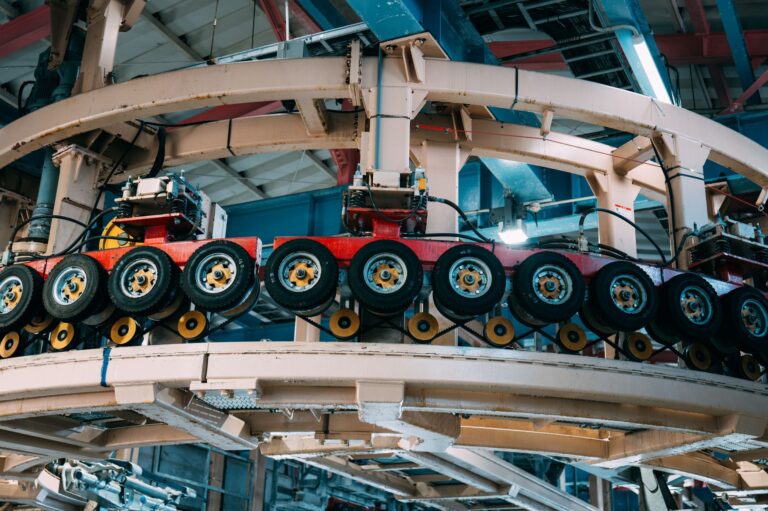
Chancellor Healey is set to ask EU finance ministers to open the Made in Europe industrial programme to UK firms. The move could benefit British manufacturers as early as 2026.

Short AI training courses are helping thousands of unemployed young people in the UK land jobs — but with 750,000 under-25s still out of work, providers say the programmes need to scale fast. Here’s how the bootcamp model is working, and where it falls short.

Andy Burnham is juggling rising unemployment, climbing borrowing costs, and growing pressure to hike local taxes — all at the same time. Greater Manchester’s economic moment is testing the limits of what devolution can actually deliver.
The UK in a Changing Europe think tank gathered economists and policy watchers to dissect the increasingly tangled relationship between Westminster politics and economic performance. What emerged wasn’t reassuring.
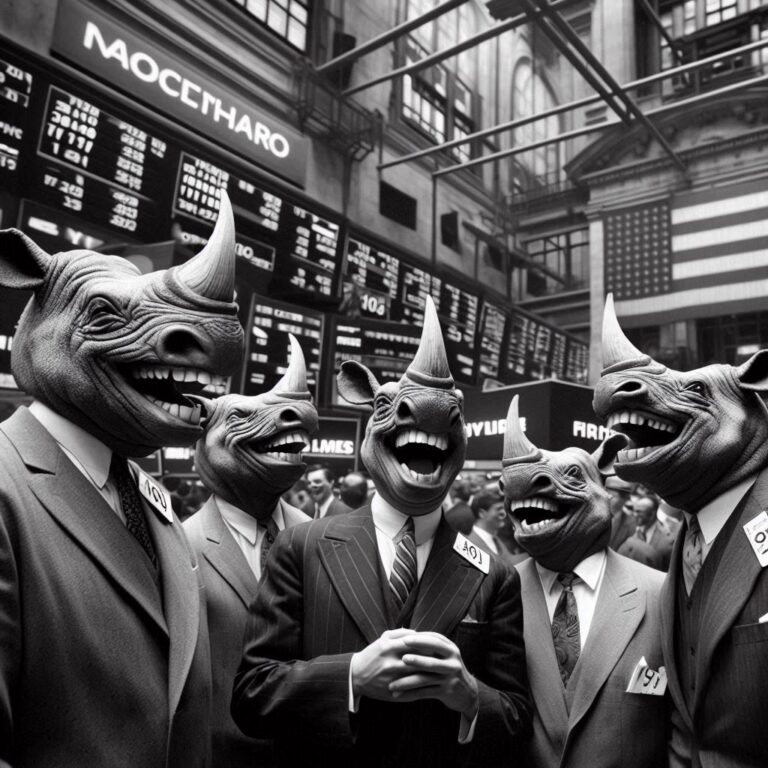
Chancellor Rachel Reeves is preparing a public push to reassure markets and voters that the UK economy can still “turn the corner” despite surging gilt yields. But with fiscal headroom all but gone, the argument faces intense scrutiny.

UK gilt yields have hit levels not seen since the late 1990s, piling pressure on Chancellor Rachel Reeves and her already wafer-thin fiscal headroom. Reeves is urging confidence in Britain, but markets and opposition politicians aren’t so easily reassured.

GDP measures the total value of everything a country produces, and the UK’s is growing — but the headline figure hides a more complicated picture. Here’s what the latest numbers really mean for British households and the economy.
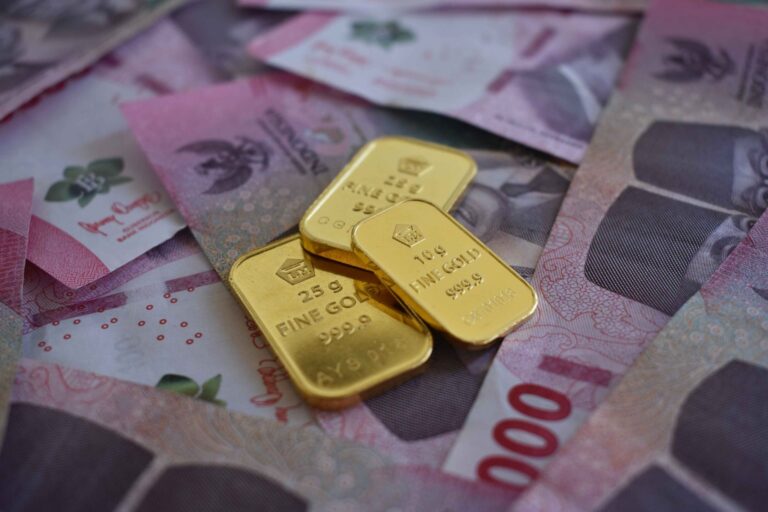
De Nederlandsche Bank has relocated 86 tonnes of gold worth roughly $7.6 billion from North American vaults to the Bank of England in London. The move reflects growing European anxiety over geopolitical instability and a desire to keep reserves within easier reach.
Britain’s economy expanded by 0.4% in the second quarter, offering a brief moment of relief for the government. But the escalating conflict involving Iran is casting a long shadow over what comes next.
Britain’s economy appears to have hit its peak for 2026, with slowing output, weakening business investment, and war-driven headwinds all pointing to a tougher year ahead. Analysts warn that early-year momentum has faded faster than policymakers hoped.