Brexit at 10: What really happened to the UK economy
Ten years after Britain voted to leave the European Union, the picture that emerges is complicated, contested, and in some ways still unresolved. Brexit didn’t just reshape trade policy — it rewired British politics, rattled markets, and triggered a slow economic divergence that analysts are still trying to fully measure.
A decade of slower growth
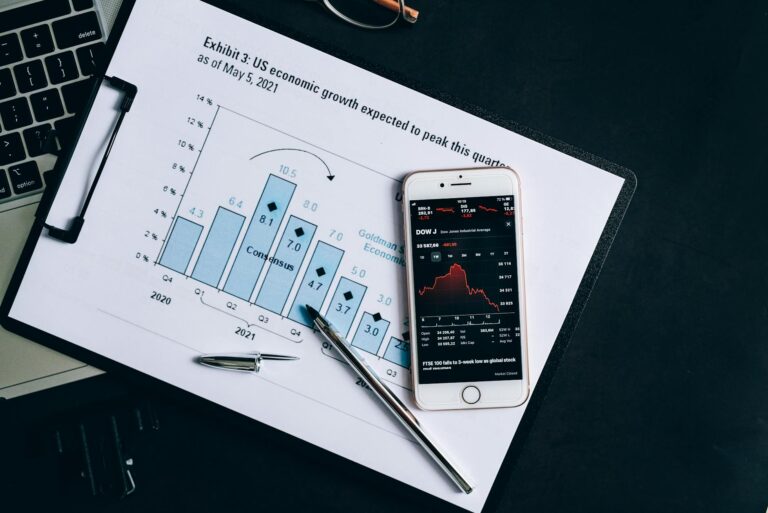
The numbers are hard to ignore. The UK economy has grown roughly 4.7% in real terms since the 2016 referendum, compared to around 8.4% for the eurozone over the same period. Trade with the EU — still Britain’s largest trading partner — dropped sharply after the 2021 withdrawal agreement took full effect, with goods exports falling by an estimated 15% in the first two years alone. Investment from overseas, while not collapsing entirely, slowed. The pound, which plunged immediately after the vote in June 2016, never fully recovered against the euro.
Yet the picture isn’t uniformly grim. Unemployment remained relatively low through much of the post-Brexit period, and the UK did manage to strike over 70 independent trade deals. Supporters point to regulatory freedoms in areas like financial services and pharmaceuticals as long-term gains that don’t always show up in short-term GDP figures.
The political earthquake that kept shaking
Brexit didn’t just happen and then stop happening. It consumed four prime ministers — Theresa May, Boris Johnson, Liz Truss, and Rishi Sunak — and fundamentally scrambled the traditional party divide between Labour and Conservative. The 2019 election, fought almost entirely on Brexit lines, delivered Johnson a historic 80-seat majority. By 2024, Labour had swept back to power, partly by trying to move past the debate entirely.
“The referendum didn’t settle the question,” one senior Whitehall official said recently. “It just changed what the question was.”
And that’s been the persistent reality. Scottish independence, which had seemed to lose momentum after the 2014 vote, was re-energized by Brexit. Northern Ireland’s political situation became more delicate, with the protocol arrangements creating a de facto trade border in the Irish Sea that still provokes controversy.
What actually changed for ordinary people
For most British residents, the daily reality of Brexit arrived gradually rather than all at once. Longer queues at airports. More paperwork for small businesses exporting to Europe. Reduced access for UK musicians and artists touring EU countries. Net migration, which Brexiteers promised to reduce, actually rose sharply — though now drawn more heavily from India, Nigeria, and other non-EU nations rather than Poland or Romania.
Food prices were affected too, with some analysts attributing 6% of the UK’s post-2021 food inflation specifically to new border frictions.
Where things go from here
The current Labour government has been cautious about re-opening old wounds while quietly pursuing closer alignment with Brussels on specific issues — a so-called “reset” that critics on both sides find inadequate. A full rejoin of the EU single market remains politically toxic. But incremental deals on energy, defense, and youth mobility are inching forward.
Ten years on, Brexit is both done and still very much in progress.