Bass Rock purchased by RSPB after 300 years private ownership
The Royal Society for the Protection of Birds has acquired Bass Rock, the iconic volcanic outcrop in the Firth of Forth, marking the first time in three centuries the island has left private hands. The conservation charity completed the purchase from the Dalrymple family, who have owned the rock since 1706.
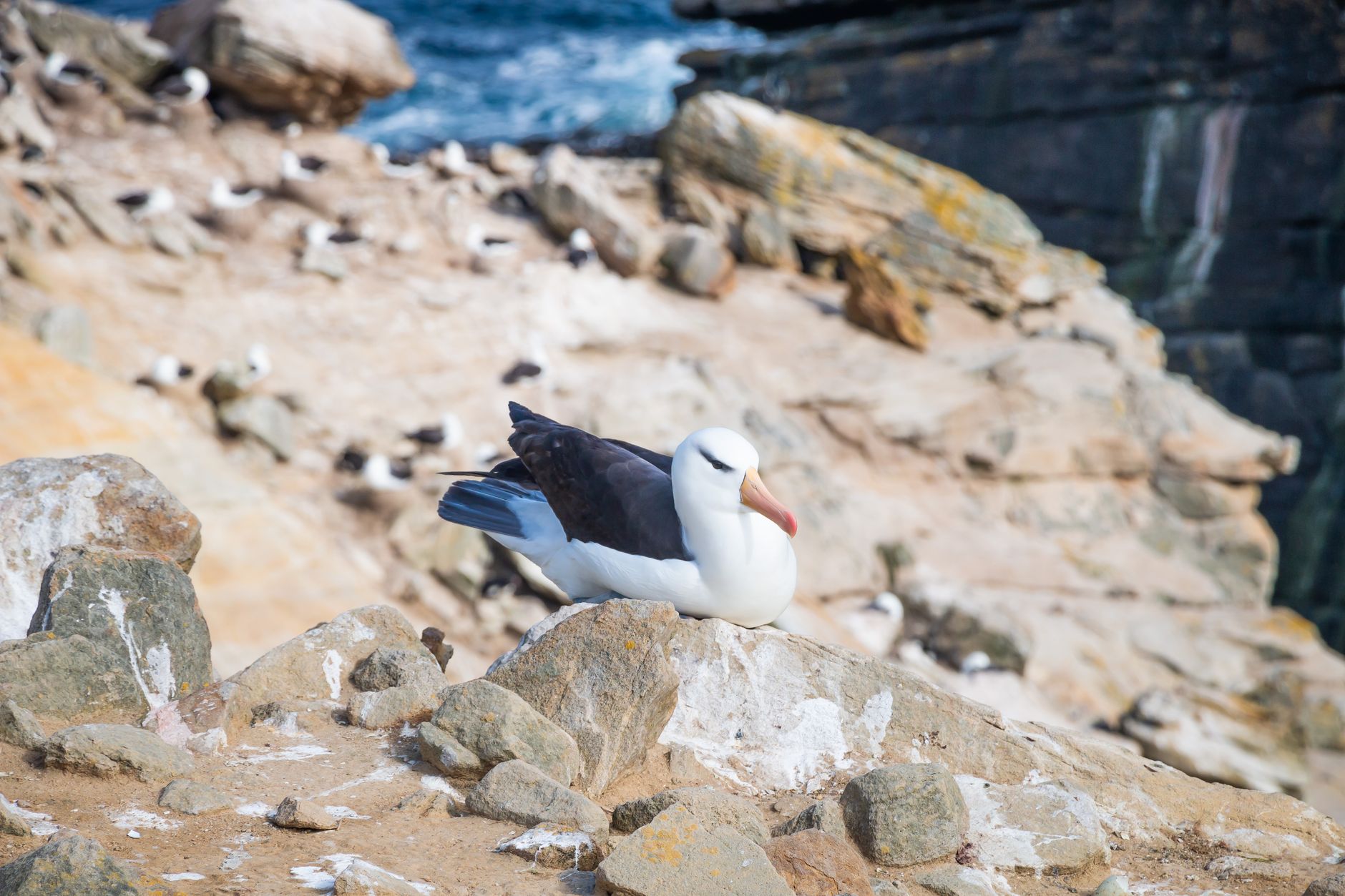
Rising 107 metres from the sea and located just off North Berwick, Bass Rock hosts the world’s largest colony of northern gannets. An estimated 150,000 birds nest on its steep cliffs each year, creating one of Britain’s most spectacular wildlife phenomena.
A Strategic Conservation Move
The acquisition comes as seabird populations across Scotland face mounting pressures. Gannet numbers at Bass Rock have historically been stable, but other species in the Firth of Forth aren’t faring so well. Puffins, guillemots and razorbills have all experienced dramatic declines in recent years.
Climate change, overfishing and avian flu outbreaks have hit Scotland’s seabird colonies hard. Last year’s H5N1 outbreak alone killed thousands of birds across the country’s coastal sites.
The RSPB hasn’t disclosed the purchase price. But the charity says securing long-term protection for the site was worth the investment.
More Than Just Gannets
While the gannets steal the spotlight, Bass Rock supports a diverse community of seabirds. Kittiwakes, shags and fulmars all breed on its cliffs. The surrounding waters are feeding grounds for puffins from nearby islands and migrating terns.
“This purchase represents a once-in-a-generation opportunity to safeguard one of Scotland’s most important seabird colonies,” a spokesperson for the RSPB said. “Bass Rock will serve as a refuge and research site as we work to understand and reverse the concerning trends affecting seabirds across the Firth of Forth.”
The charity plans to enhance monitoring programmes and investigate how changes in prey fish populations are affecting breeding success.
Public Access and Future Plans
The RSPB intends to maintain existing boat tour arrangements that bring thousands of visitors to view the colony each summer. These trips won’t land on the island itself, which remains largely inaccessible due to its sheer cliffs and lack of harbour facilities.
Researchers will continue using the Scottish Seabird Centre’s remote cameras to study the gannet colony without disturbing the birds. The footage has become a popular draw for wildlife enthusiasts worldwide.
So what’s next for Scotland’s “gannet capital”? The RSPB says it’ll work with Scottish Natural Heritage and local communities to develop a comprehensive management plan. That’s expected to focus on habitat protection, scientific research and climate adaptation strategies for the coming decades.