
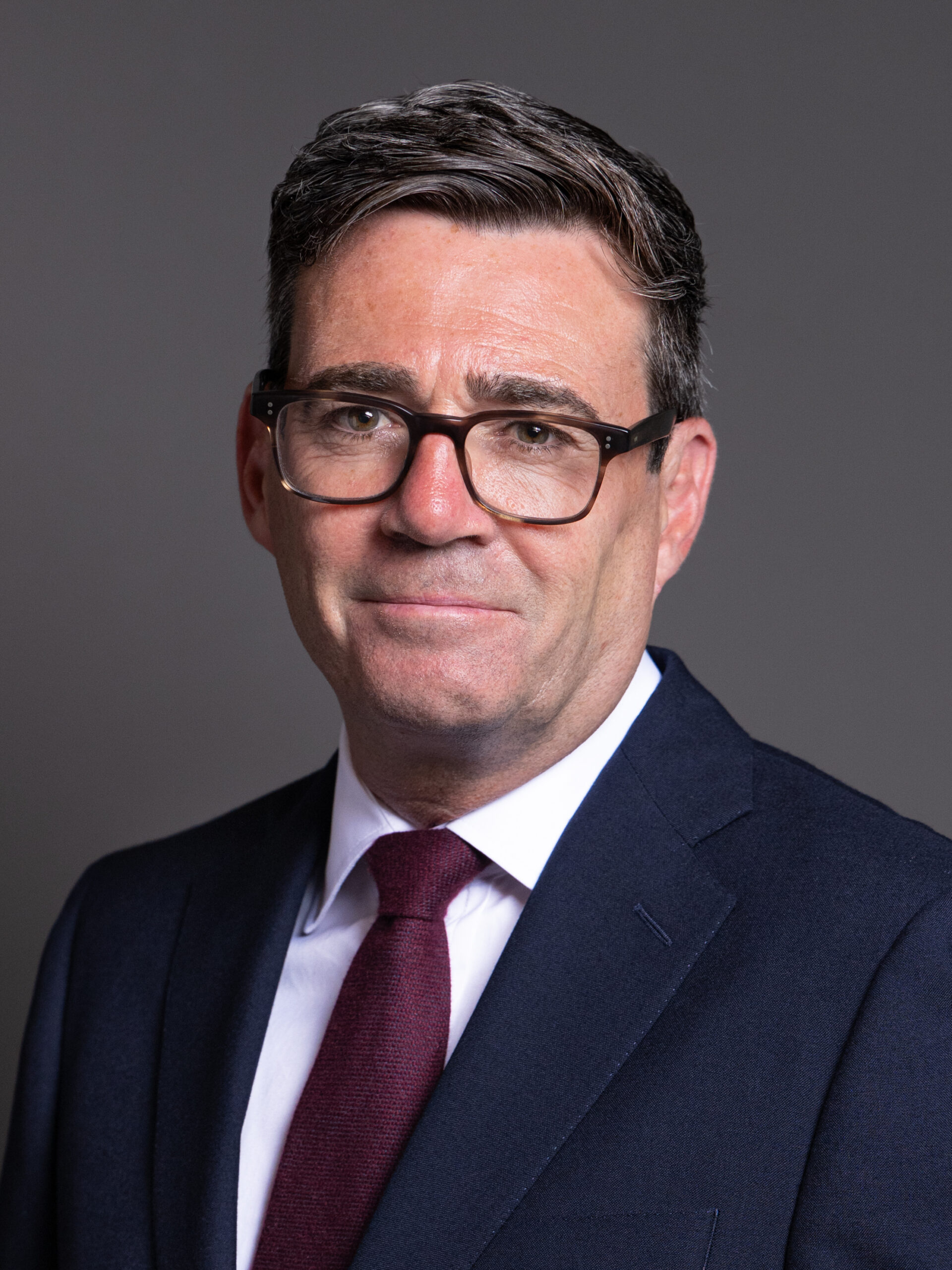
Andy Burnham’s fiscal strategy walks a knife-edge in Greater Manchester
Andy Burnham’s administration is navigating one of the most delicate financial balancing acts in British regional politics, with senior aides privately acknowledging that a single misstep could unravel years of devolution progress. The Greater Manchester Combined Authority is under mounting pressure to deliver on ambitious public service commitments while grappling with a funding settlement that many in his team consider chronically insufficient.
A budget stretched to its limits
The GMCA is working with a combined budget of roughly £1.3 billion, but officials close to Burnham say the real pressure points are in transport and homelessness — two areas where demand is outpacing resources at an alarming rate. The Bee Network, Greater Manchester’s flagship integrated transport scheme, has drawn national attention and genuine praise. But running it costs money, and the revenue gap between what fares bring in and what operations actually cost continues to widen. One senior figure close to the mayor’s office put it plainly: “We need to be careful. We’re delivering things people can see and feel, but we can’t spend what we don’t have.”
That tension is real. Burnham has built his political identity around proving that devolution works — that cities outside London can take control of their destinies and do it better. Walking back on any major pledge now would hand ammunition to critics who’ve always been sceptical of regional mayors.
The homelessness commitment under scrutiny
Greater Manchester’s A Bed Every Night scheme, which has housed thousands of rough sleepers since 2018, is one of Burnham’s most cited achievements. And rightly so — the numbers are genuinely impressive. But sustaining it requires consistent public funding that isn’t guaranteed year to year. Officials say the scheme served over 15,000 individuals across its first five years, a figure that underlines both its scale and its cost.
The worry inside the mayor’s office isn’t that the programme will collapse overnight. It’s that slow strangulation through flat-cash settlements — effectively real-terms cuts once inflation is factored in — could quietly erode the infrastructure holding it together.
Westminster’s role in the equation
Burnham’s relationship with the Labour government in Westminster is cordial but complicated. He needs Whitehall to loosen the fiscal constraints on combined authorities. So far, the signals from the Treasury have been cautious at best. There’s been no significant new devolution of tax-raising powers, and the promised reform of local government finance keeps slipping down the agenda.
His team knows that without meaningful fiscal autonomy, Greater Manchester will always be dependent on the mood in SW1A.
What comes next
The next twelve months are likely to be decisive. A spending review is expected to clarify how much headroom regional governments will actually have, and Burnham’s allies are lobbying hard behind the scenes. Whether the mayor can continue threading this needle — spending boldly while staying solvent — will define not just his legacy but the entire case for English devolution.