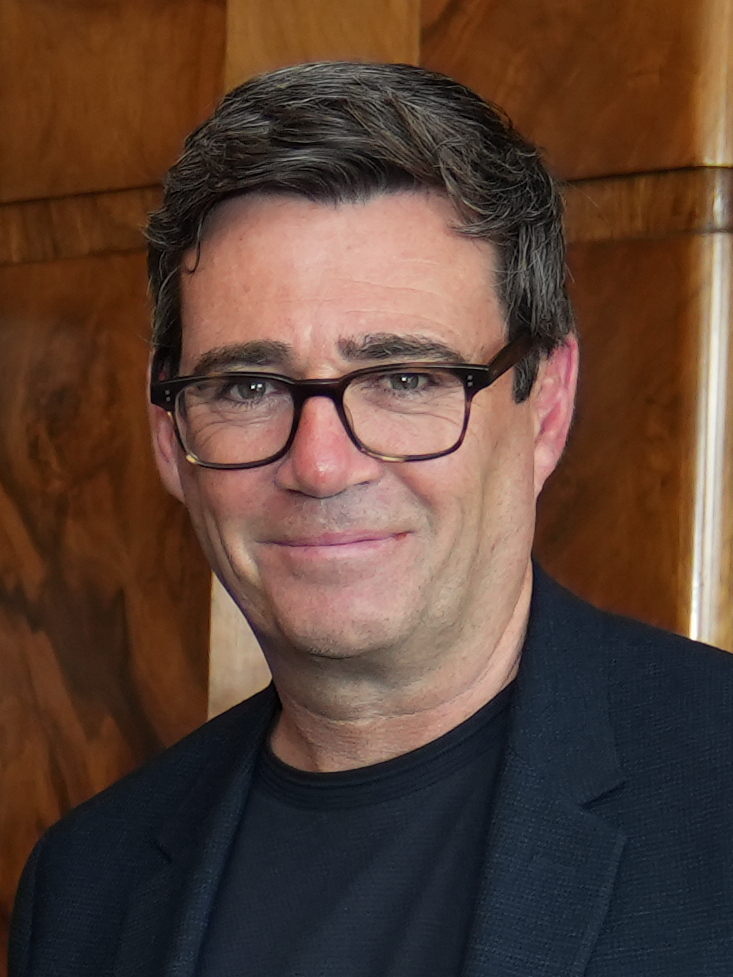
Andy Burnham emerges as frontrunner for UK’s next prime minister
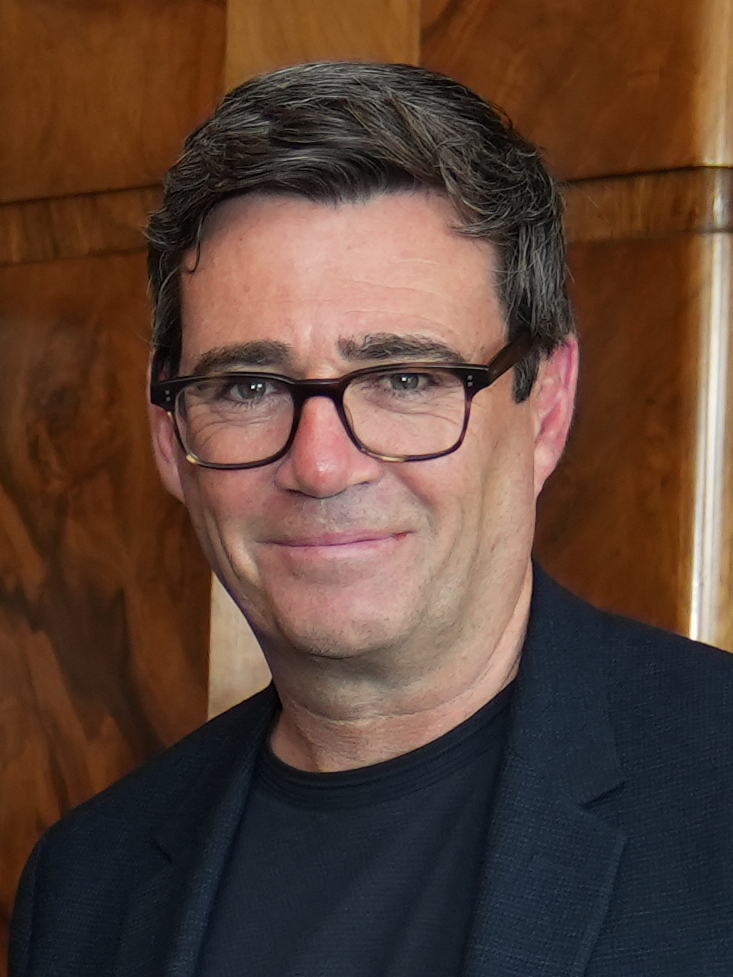
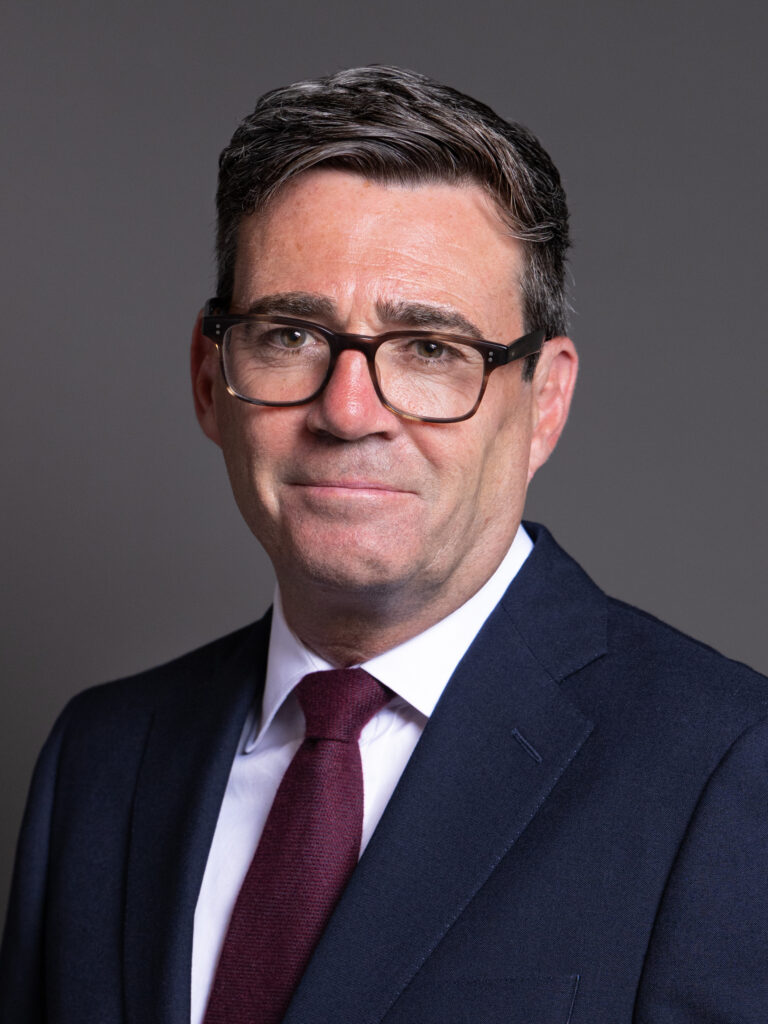
Andy Burnham, the Mayor of Greater Manchester, is increasingly being talked about as the most credible candidate to lead the Labour Party — and potentially the country — when Keir Starmer’s tenure eventually ends. After years building a distinctive political brand in the North, Burnham has quietly positioned himself as the figure many within Labour believe could reconnect the party with voters it’s been haemorrhaging since 2019.
From Whitehall to the North — and back?
Burnham’s political CV is substantial. He served as Health Secretary under Gordon Brown and ran twice for Labour leadership — in 2010 and 2015 — before accepting the Greater Manchester mayoralty in 2017. That pivot, which many at Westminster saw as a step sideways, turned out to be one of the shrewdest moves in recent British political history. He’s won two mayoral elections since, most recently in May 2024 with over 63% of first-preference votes. That’s not a marginal victory. That’s a mandate.
In Manchester, Burnham has championed integrated public transport, rough sleeper initiatives, and devolved public services. His “London model” critique — that the capital absorbs disproportionate investment while northern cities struggle — resonates well beyond Greater Manchester’s 2.8 million residents.
What kind of prime minister would he be?
Burnham is a centrist, but not in the Blairite sense. He talks about community, place, and belonging in ways that feel instinctive rather than triangulated. He’s been outspoken on NHS reform, arguing consistently that health and social care must be integrated — a position he held even when it wasn’t fashionable inside government. Still, critics point out that ambitious devolution promises in Greater Manchester have moved slowly, and some housing targets have fallen well short.
He won’t be everyone’s favourite. Parts of the parliamentary Labour Party view him with suspicion — too populist, too independent, too willing to pick fights with central government. But that independence is precisely what makes him attractive to a broader electorate that’s grown tired of politicians who feel like products of the same Westminster machine.
The timing question
Burnham has said he intends to see out his mayoral term, which runs until 2028. A senior Labour source, speaking on background, suggested that “the door isn’t closed” on a return to frontline national politics, but cautioned that “the timing has to be right for everyone.”
That’s a careful non-denial.
Starmer’s government, elected with a landslide in July 2024, faces enormous pressure on public finances, NHS waiting lists now exceeding 7.5 million people, and a restless backbench. Whether Labour reaches a mid-term crisis that forces a leadership question sooner than expected remains to be seen. But political gravity in Britain has a habit of accelerating unpredictably.
If Burnham does make his move, he’ll arrive with more executive experience than most. The question is whether Westminster — and the country — is ready for a prime minister who built his reputation by challenging the capital from 200 miles away.