Brent jumps nearly 6% to $97 as Iran suspends US talks, reviving Europe’s energy risk premium
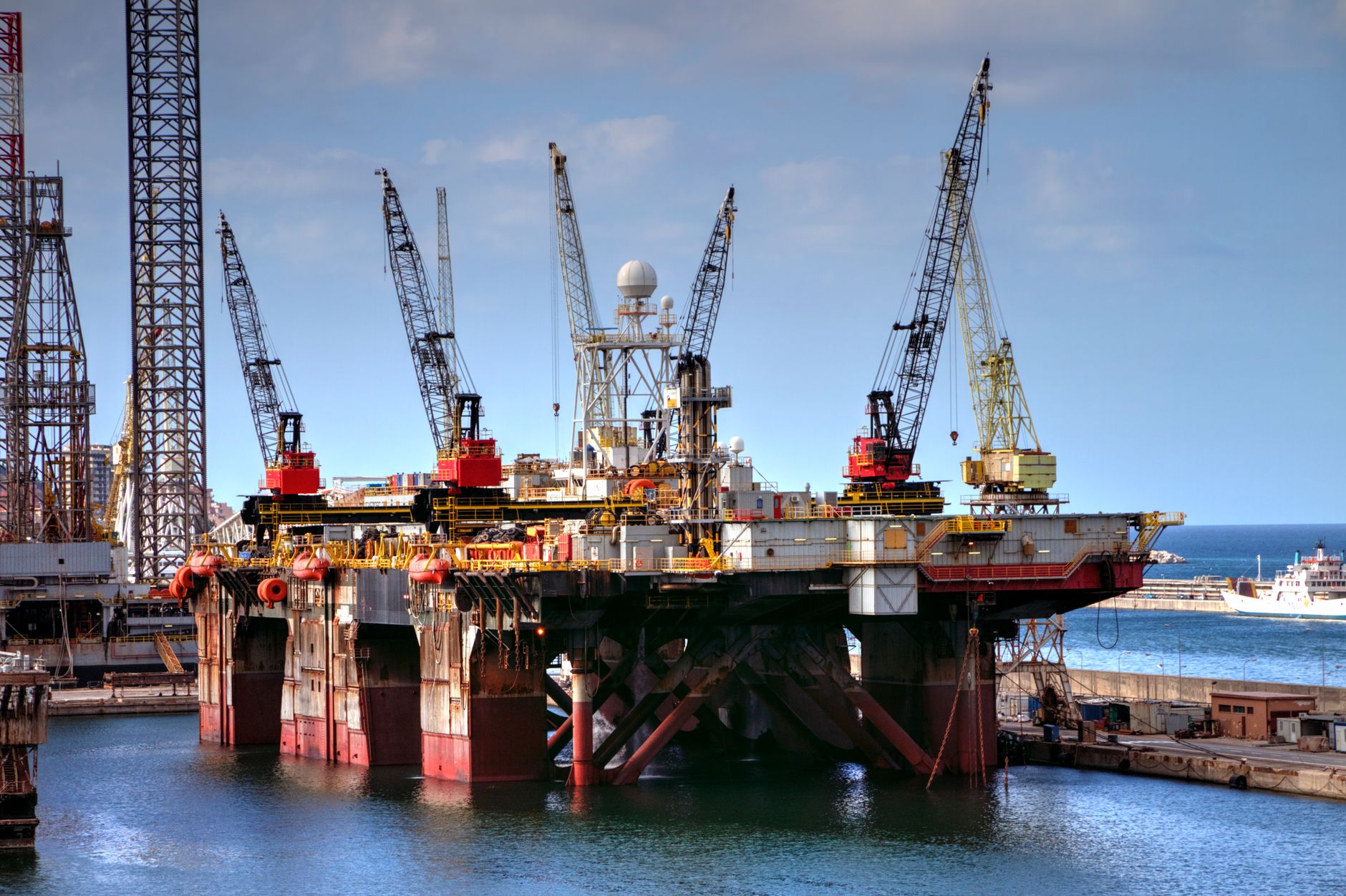
Brent crude surged by close to 6% to around $97 a barrel on Monday 1 June 2026, after the Iranian state-linked agency Tasnim reported that Tehran had suspended its negotiations with Washington. The move sharply reversed the easing trend of recent weeks and reinstated a geopolitical risk premium across European energy, equity and currency markets at the start of a pivotal month.
A reversal in the Iran file
The suspension of talks revives fears of disruption around the Strait of Hormuz, through which a large share of global crude transits. It marks a turn from earlier reporting that a draft framework might reopen Hormuz to commercial traffic, and energy traders cautioned that the situation remains fluid and headline-driven. Tehran has not detailed its reasoning, and Washington has not formally commented.
Transmission to European inflation
A durable rise in crude feeds through to fuel, transport and energy prices, the very channel that pushed euro-area inflation to 3.0% in April 2026, up from 1.9% in February. That makes the oil move directly relevant to the European Central Bank’s Governing Council meeting on 11 June, where markets have moved to price a rate increase rather than a cut.
Sector winners and losers
Energy-intensive European sectors, chemicals, steel, cement and paper, are most exposed to a sustained rise in input costs, having operated under structurally elevated energy prices since 2022. Airlines such as Air France-KLM, Lufthansa and IAG are sensitive to jet-fuel costs, while integrated oil majors including BP, Shell and TotalEnergies tend to benefit from higher prices. European equity indices traded cautiously as investors weighed the competing effects.
What to watch
The near-term sequence is dominated by the 11 June ECB decision, euro-area inflation readings and any official signal from Tehran or Washington. Two scenarios frame the outlook: a de-escalation that returns Brent toward the mid-$80s and relieves European industry, or a further hardening that pushes crude above $100 and revives safe-haven flows into gold and short-dated German Bunds. Both remain in play as June begins.