Magyar’s Brussels reset visit creates unexpected window for Lammy’s UK-EU reshape push
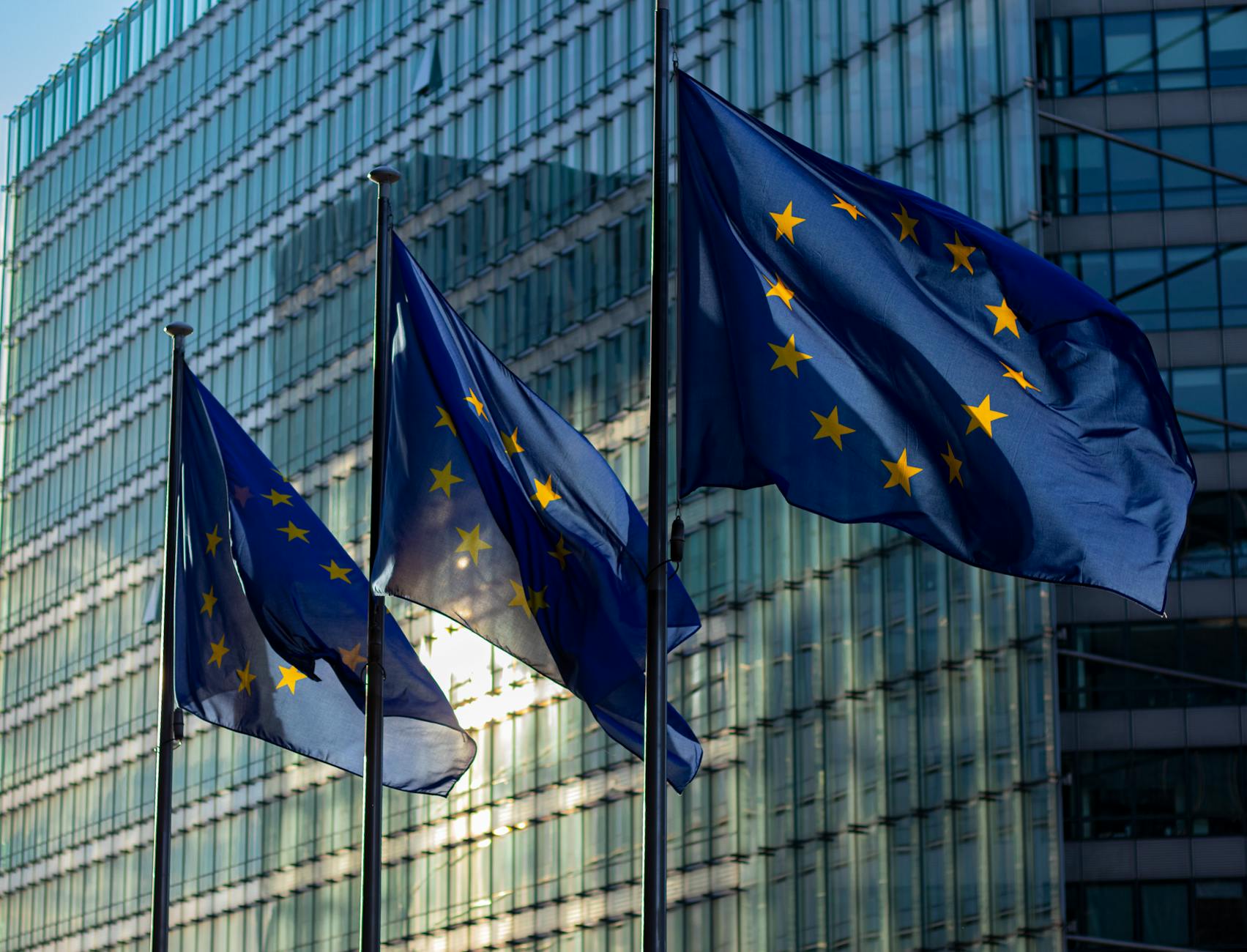
The arrival of Hungarian opposition leader Péter Magyar in Brussels on Wednesday 27 May 2026 for a meeting with Commission President Ursula von der Leyen has reverberated across the European Council corridor in ways that may have unexpected implications for the United Kingdom. With Magyar polling consistently ahead of incumbent Prime Minister Viktor Orbán in Hungarian voting intention surveys, his Brussels visit has been interpreted as a soft European reset — and Foreign Secretary David Lammy’s team is watching closely.
The Magyar visit
The substance of the Magyar-von der Leyen meeting, which lasted nearly two hours and took place at the Berlaymont, was framed by both sides as preparatory rather than transactional. Magyar told reporters afterwards that his Tisza Party “stands ready to reset Hungary’s relationship with the European institutions” should it win the 2026 elections. Von der Leyen described the meeting as “an opportunity to listen and engage”, carefully avoiding any endorsement of Magyar over Orbán while signalling that the Commission would welcome a “constructive Hungarian partner”.
Why this matters for London
The relevance of the Magyar visit for the United Kingdom lies in the institutional precedent it sets. The Commission’s openness to engaging with a leader of the opposition in a member state on a “reset” basis, even before any electoral mandate, signals an unusual flexibility in how Brussels manages institutional dialogue with major political forces. UK diplomats consulted in London expressed quiet optimism that the same flexibility may apply to the British government’s parallel reset push under Foreign Secretary David Lammy.
Lammy’s reset agenda
Foreign Secretary David Lammy has been quietly building toward a comprehensive UK-EU relationship reset since taking office in July 2024. The strategy, codified in a Foreign Office white paper published in February 2026, proposes a phased reset across five tracks: regulatory alignment on food and animal health (the so-called SPS agreement); mobility arrangements for young people; security and defence cooperation; energy market integration; and a structured dialogue mechanism. The plan stops short of seeking single market or customs union re-entry — political red lines for Downing Street — but seeks substantial sector-by-sector deepening.
General Affairs Council, 17 June
The next formal touchpoint for the UK-EU relationship is the General Affairs Council on 17 June, where the European Commission is expected to table its biannual review of the EU-UK Trade and Cooperation Agreement implementation. Lammy is not invited to the meeting, but UK officials are working through the Cypriot presidency for a side conversation. Senior Commission officials privately concede that the political climate has shifted in favour of substantive engagement, partly thanks to the perceived alignment of UK and EU positions on Ukraine, Iran and the transatlantic relationship.
The “Brexit reassessment” debate
UK opinion polling consistently shows a majority of voters now believe Brexit was a mistake, with the latest YouGov tracker placing the “wrong” lead at 56-30%. Political analysts caution, however, that this does not translate into majority support for re-entry. The Lammy strategy is calibrated to this nuance: pursuing concrete sectoral progress without challenging the constitutional settlement. Some Labour figures, including former Cabinet Office Minister Pat McFadden, have publicly floated rejoining the customs union, but Downing Street has firmly ruled this out.
Hungarian veto on Ukraine
The Magyar Brussels visit also has direct relevance for one of the most pressing institutional files facing the Union: the proposed 16 June opening of the first negotiating cluster with Ukraine and Moldova, which faces an expected Hungarian veto under Orbán. If Magyar’s Tisza Party were to take power in 2026, the Hungarian position on Ukraine accession would shift decisively in favour of the Commission’s timetable. Several Brussels diplomats see Wednesday’s visit as part of the Commission’s longer-term strategy to plan for that contingency.
Defence and security
Defence and security cooperation is the most operationally advanced strand of the Lammy reset. The UK-EU Security and Defence Partnership, signed at the May 2025 leaders’ summit, has produced concrete results: joint training programmes for Ukrainian forces, coordinated sanctions architecture, and a shared early-warning mechanism on hybrid threats. The 27 May Russian threat to Kyiv — which prompted both Belgium and France to summon their respective Russian ambassadors — was discussed in the UK National Security Council on Wednesday afternoon, with the UK aligning its diplomatic response to the EU statement.
What comes next
The immediate sequence runs through the General Affairs Council (17 June), the European Council (23-24 June), and the EU-UK ministerial meeting in early July. The Lammy team’s working assumption is that any substantive deliverables on the reset will come in the autumn — most plausibly at the planned UK-EU leaders’ summit in October. The Magyar visit, by signalling Brussels’ continued openness to flexible institutional engagement, makes the autumn timeline more rather than less likely.