Rachel Reeves maps out economic agenda for Burnham government
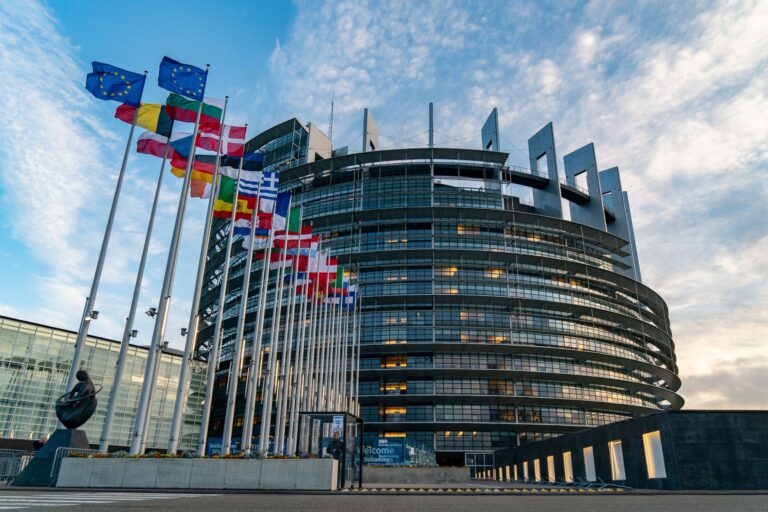
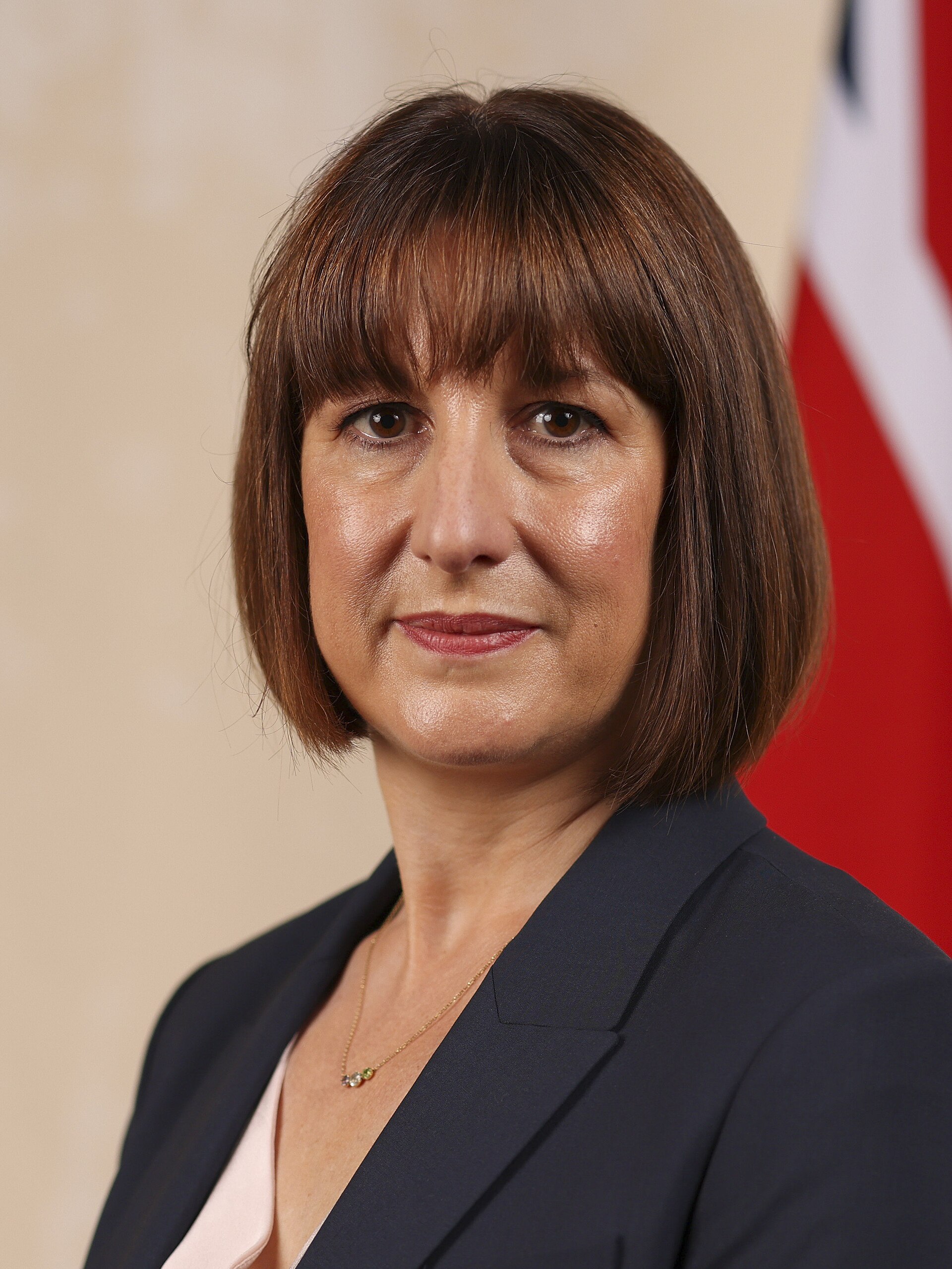
Rachel Reeves, the former chancellor, used a Harvard lecture on Monday to make her first major public statement since leaving office. The MP for Leeds West and Pudsey had delayed the speech until after John Healey’s first budget. In it, she argued that Britain’s economic interests, shared values, and geography all point toward Europe.
Reeves made clear that no one in government could doubt her view on the damage of Brexit. She believes the UK should eventually rejoin the EU. “Economically, it is the credible choice,” she said. “Britain’s values, and a serious assessment of the geopolitical scene today, tell us it is the radical choice too.”
Devolution and investment as growth drivers
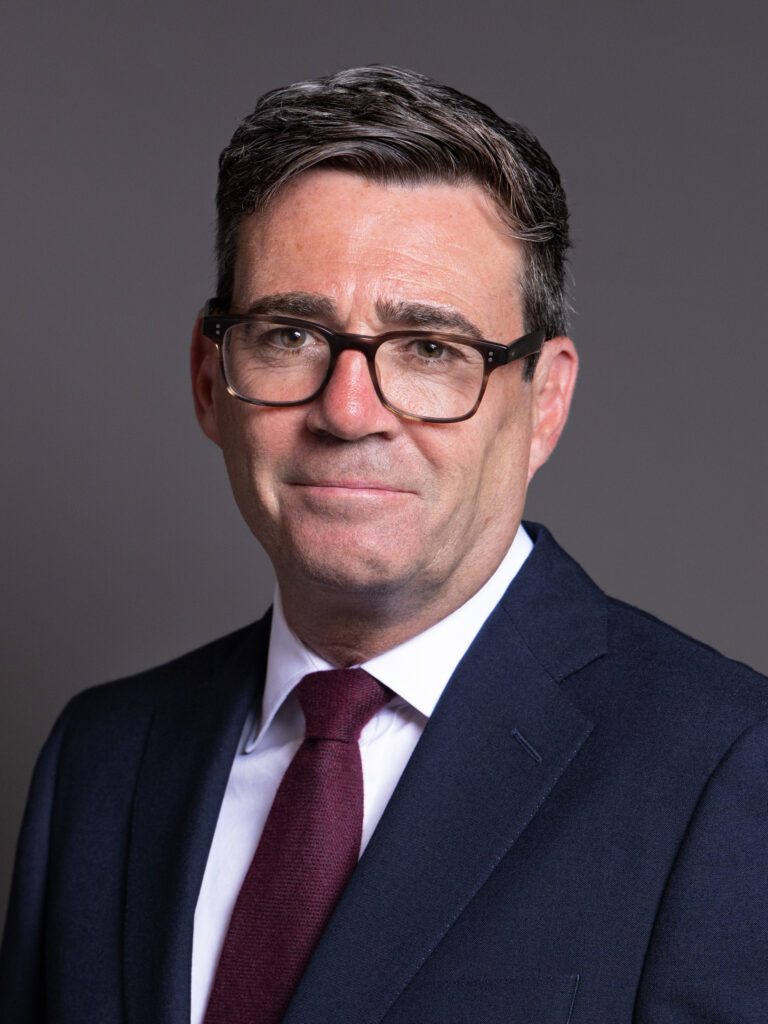
Reeves praised Andy Burnham’s willingness to confront reality on Brexit. Burnham, now prime minister, has become the leading voice for reconsidering the UK’s relationship with the EU. Six months ago, Reeves said Brexit had caused deep damage and that the government sought a new, stable future relationship rather than turning back the clock.
The Treasury has long been the center of pro-European thinking in government. Reeves was the strongest pro-European under Keir Starmer, but Burnham removed her from office. Healey, her successor, joked about his age when asked if the UK would rejoin the EU in his lifetime. He said his job was to make the most of Britain’s current position.
At the IMF meeting in Bangkok, economists praised Reeves. They said the UK’s deficit reduction plan stood out among G7 peers. Her March Mais lecture themes now shape Burnham’s agenda. She argued that Britain’s major cities outside London underperform compared to European counterparts. The north of England, she said, had waited too long for a government that matches warm words with real ambition.
Reeves called for liberating regions from Whitehall orthodoxy. Her main policy was giving regional leaders a share of national taxes. That plan is now central to Healey’s budget. The government’s growth theory combines Brexit and devolution, but Reeves’s own focus was investment. Her most criticized decision was raising employers’ national insurance. Yet the tax increases showed a government willing to make hard choices while borrowing for public investment. She changed fiscal rules to allow a multi-year commitment to £100bn in new capital spending. Money is flowing into NHS infrastructure, roads, housing, rail, energy, and industrial projects.
Credibility and radicalism
In her Harvard speech, Reeves said the shift to an investment-led growth model required sacrifices that the Starmer government failed to get the public to back. “The challenge is to make the politics and economics, those dual tests of credibility and radicalism, line up,” she said. Reeves won’t say much of the problem with Starmer’s government was the man himself rather than the agenda. If Burnham avoids an early election, he may see investment bear fruit in public and market confidence, upgraded services, and Britain’s appeal for private investment. Risks include further international turmoil. But when Burnham’s government counts success on public services, Europe, devolution, and growth, Reeves will be able to claim some credit.