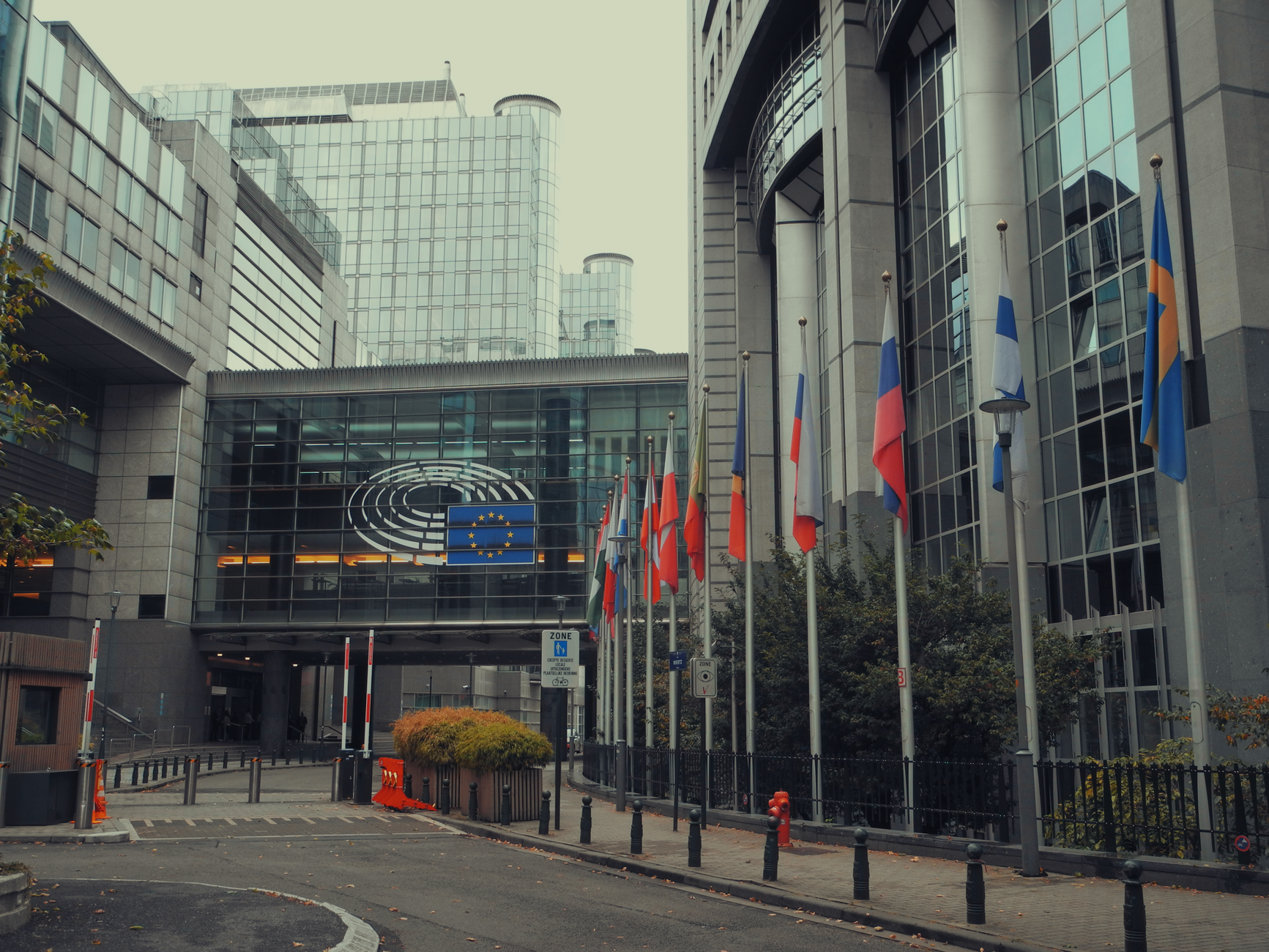
Brussels reassesses UK relationship calculus as Starmer’s crisis reshapes EU working assumptions
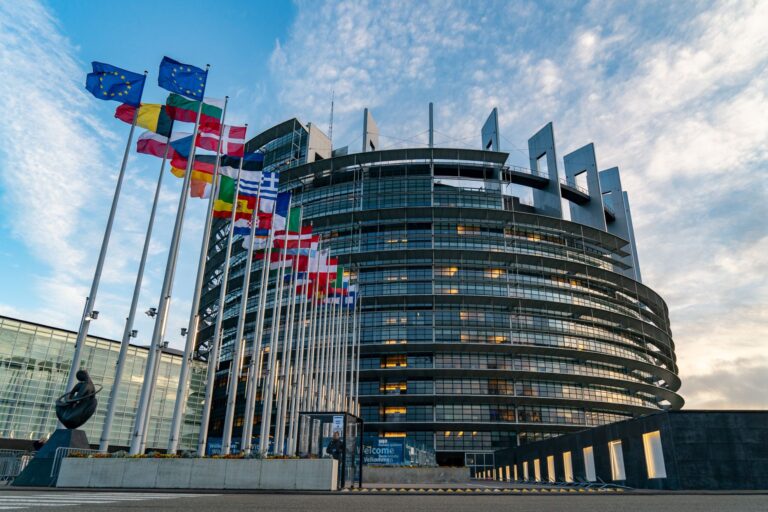
The General Affairs Council on the EU side is set to discuss the state of play of EU-UK relations later this week, with the file taking on a sensitivity that few observers anticipated at the start of the year. Sir Keir Starmer’s mounting domestic difficulties — over 95 Labour MPs have called publicly for his resignation — are increasingly being factored by EU services into working assumptions on regulatory cooperation, defence partnership, and the future framework for financial services. The Brussels calculus on the UK relationship has shifted quietly but unmistakably over the last six weeks.
The “reset” two years on
When Starmer took office in July 2024, his government promised a “reset” of the EU-UK relationship — neither a return to the single market nor a re-litigation of Brexit, but a pragmatic deepening of cooperation across security, trade facilitation, and youth mobility. Two years on, concrete progress remains modest. The UK-EU Security and Defence Partnership signed in May 2025 has produced meaningful operational benefits, particularly around Ukraine support and joint procurement coordination. But the major economic dossiers — services equivalence, professional qualifications, and a youth mobility scheme — have either stalled or been deferred.
Brussels’ assessment of political risk
Behind closed doors, EU officials acknowledge that the political horizon in London has darkened materially since the Labour local elections losses on 1 May. The replacement of Starmer — by Wes Streeting, Andy Burnham, or any other contender — would not automatically reverse the reset trajectory, but it would inevitably introduce a transition period during which serious negotiations would slow. For technically complex files such as the financial services equivalence framework, even a six-month transition delay could prove disruptive.
Defence cooperation as the bright spot
The one area where the UK-EU partnership has consistently delivered is defence and security. UK contributions to the European Peace Facility’s Ukraine support track, joint procurement of artillery ammunition, and the establishment of a formal UK-EU defence dialogue have all advanced under Starmer. Kaja Kallas, the EU’s High Representative, has repeatedly highlighted the UK’s role as the “indispensable European defence partner outside the Union.” This dossier is largely insulated from domestic UK political volatility, partly because it is supported across both major parties.
Trade facilitation: the agri-food question
The major economic file under active negotiation remains the proposed Sanitary and Phytosanitary (SPS) agreement, which would substantially reduce friction on agri-food trade between Great Britain and the EU. Both sides have agreed in principle on the broad architecture — UK alignment with EU sanitary rules in exchange for removal of physical and documentary checks — but disagreements persist on dynamic alignment, dispute resolution, and the role of the European Court of Justice. A breakthrough was hoped for by summer 2026; current Brussels assessment is that this timeline now slips into the autumn at the earliest.
Youth mobility: the politically toxic dossier
The youth mobility scheme — a Commission proposal that would allow under-30s to live and work in the partner country for up to four years — remains politically toxic on the UK side. The Starmer government has consistently rejected the framing of a “free movement lite”, insisting on much narrower parameters such as time-limited education exchanges. With Reform UK polling ahead of Labour, the political space for a meaningful youth mobility agreement has effectively closed for the duration of the current parliament.
Financial services and the City of London
For the City of London, the central question is whether the UK will receive equivalence determinations for key financial services activities — particularly central counterparty clearing, where temporary equivalence has been extended multiple times. The Commission’s services have been clear that broader equivalence requires a more structured dialogue on regulatory divergence going forward. With the UK considering substantial reforms to its post-Brexit financial regulation framework, the divergence question is becoming substantive rather than theoretical.
Northern Ireland and the Windsor Framework
The Windsor Framework, which governs Northern Ireland’s particular trade status, continues to operate with broadly fewer disruptions than feared. But the recent surge in support for unionist parties critical of the Framework, and persistent friction over individual product categories, mean that the Joint Committee meetings remain politically charged. Brussels is keenly aware that any major UK government change could trigger renewed political pressure on this most delicate of post-Brexit dossiers.
Outlook: a relationship on pause
The General Affairs Council discussion this week is unlikely to produce dramatic announcements. The more likely outcome is a cautious holding pattern — continued operational cooperation on defence and Ukraine, slow technical advances on SPS, and a deliberate Brussels reluctance to commit to major new initiatives until the UK political picture clarifies. For both sides, the lesson of the last six months is that the EU-UK relationship, while structurally stable, remains hostage to domestic political turbulence in ways that few foresaw two years ago.