Online ads enable human trafficking ‘hidden in plain sight’, inquiry finds
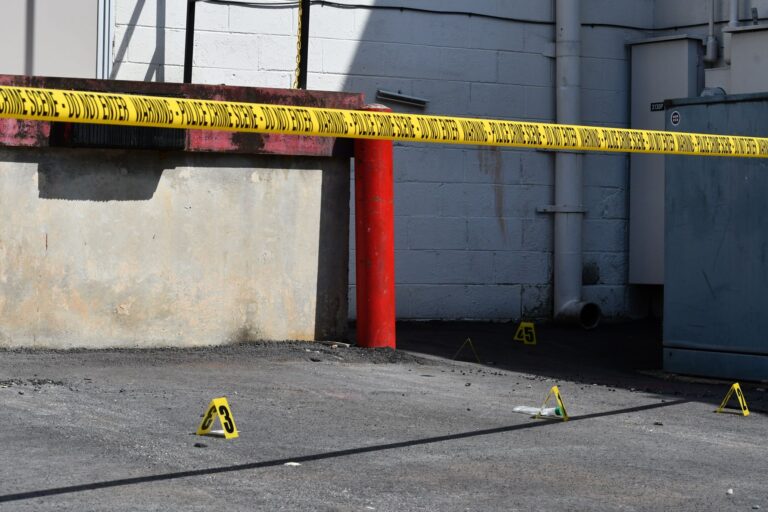
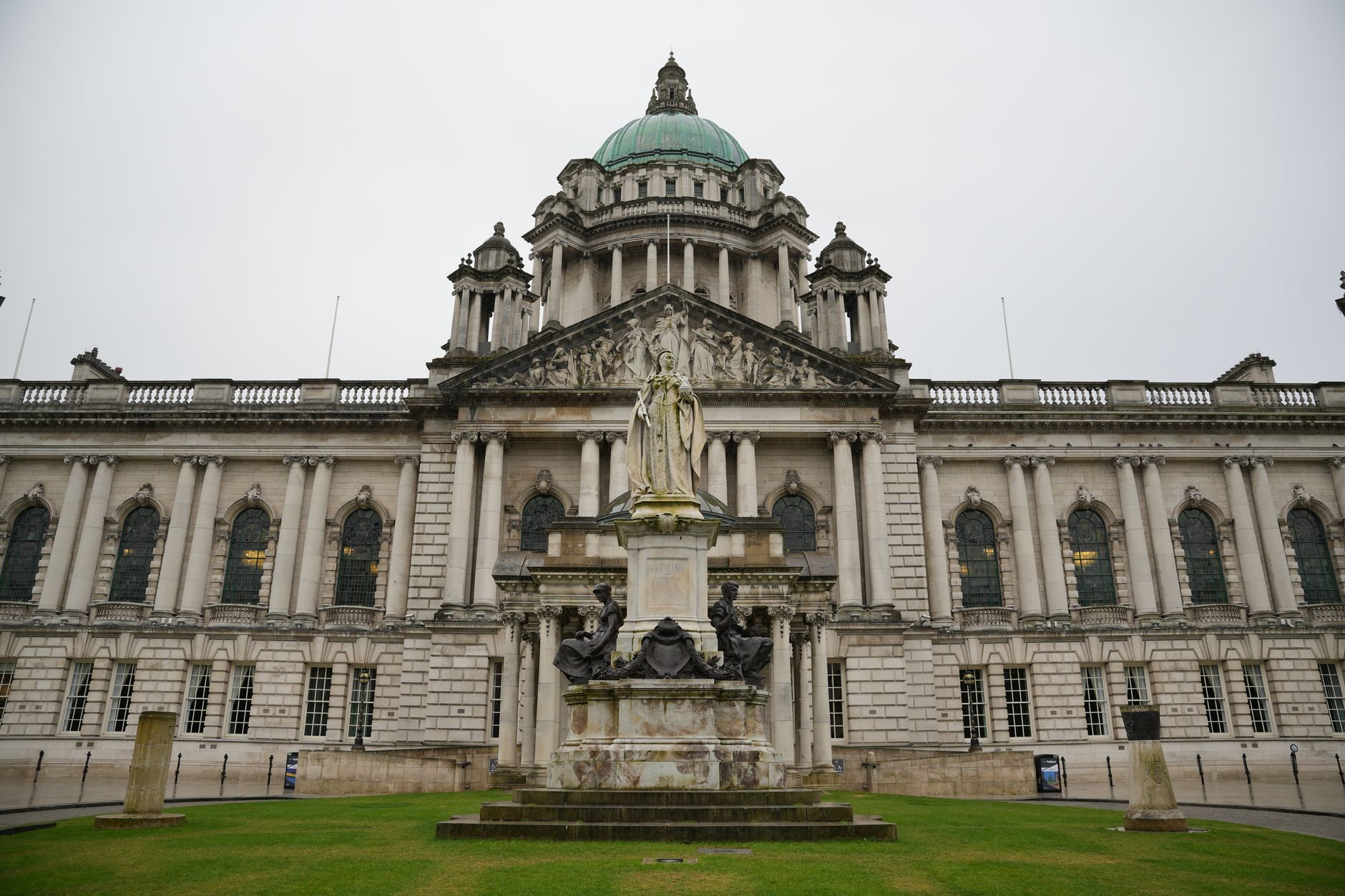
A Stormont inquiry into websites advertising prostitution has concluded that human trafficking is a “catastrophic” problem “hidden in plain sight online”. The report, released Tuesday by the All-Party Group (APG) on Human Trafficking and Commercial Sexual Exploitation, says women are forced into prostitution, advertised online, drugged before appointments, and moved from city to city one day at a time. The APG examined four main sites used across Northern Ireland: Locanto, Adult Works, Viva Street, and Escort Ireland. While women listed as “independent escorts” appear to offer a range of services, the reality is very different. One victim, forced into prostitution at 19, said the sites are not neutral platforms. “They provide the infrastructure through which sexual exploitation can be organised, marketed and monetised,” she said. Another survivor, managed by a man controlling multiple profiles of trafficked women, said none of them had access to buyer emails: “He answered as if he was us.”
Patterns of exploitation
BBC Northern Ireland’s review of the sites found an average of more than 500 women advertising sexual services daily in the region. Many move city to city. A woman called “Chloe” advertised in Belfast for 24 hours, then in Dublin the next day with the same line: “in the city for 24 hours”. Over the following week, she appeared in six different cities across the island of Ireland, always for just 24 hours.
Ruth Breslin of the Sexual Exploitation Research and Policy Institute said court cases in both jurisdictions show these sites play a key role in trafficking and exploitation. She argued for a ban: “Banning these sites is the right way to go. Regulation just won’t be strong enough in this space.” The report rejects regulation, saying criminal networks would “continue to exploit regulated environments unless the digital infrastructure itself is dismantled”.
Calls for action
The report recommends criminalising website operators, improving cross-border cooperation with the Republic of Ireland, and targeted interventions for men. Connie Egan, deputy chair of the APG, said the report must not be shelved. “We now owe it to every woman who is advertised in Belfast today and every girl trafficked across this island against her will to ensure this report is not just read, noted and shelved.”
Paying for sex has been a criminal offence in Northern Ireland since 2015, but selling sexual services is not illegal. Between 1 June 2015 and 28 February, there were 134 arrests for the offence; 105 were referred to the Public Prosecution Service and five led to conviction. Detective Chief Superintendent Emma Neill of the PSNI’s organised crime branch said sexual exploitation is “often an unseen crime” that “can happen in plain sight” and requires collective efforts.