
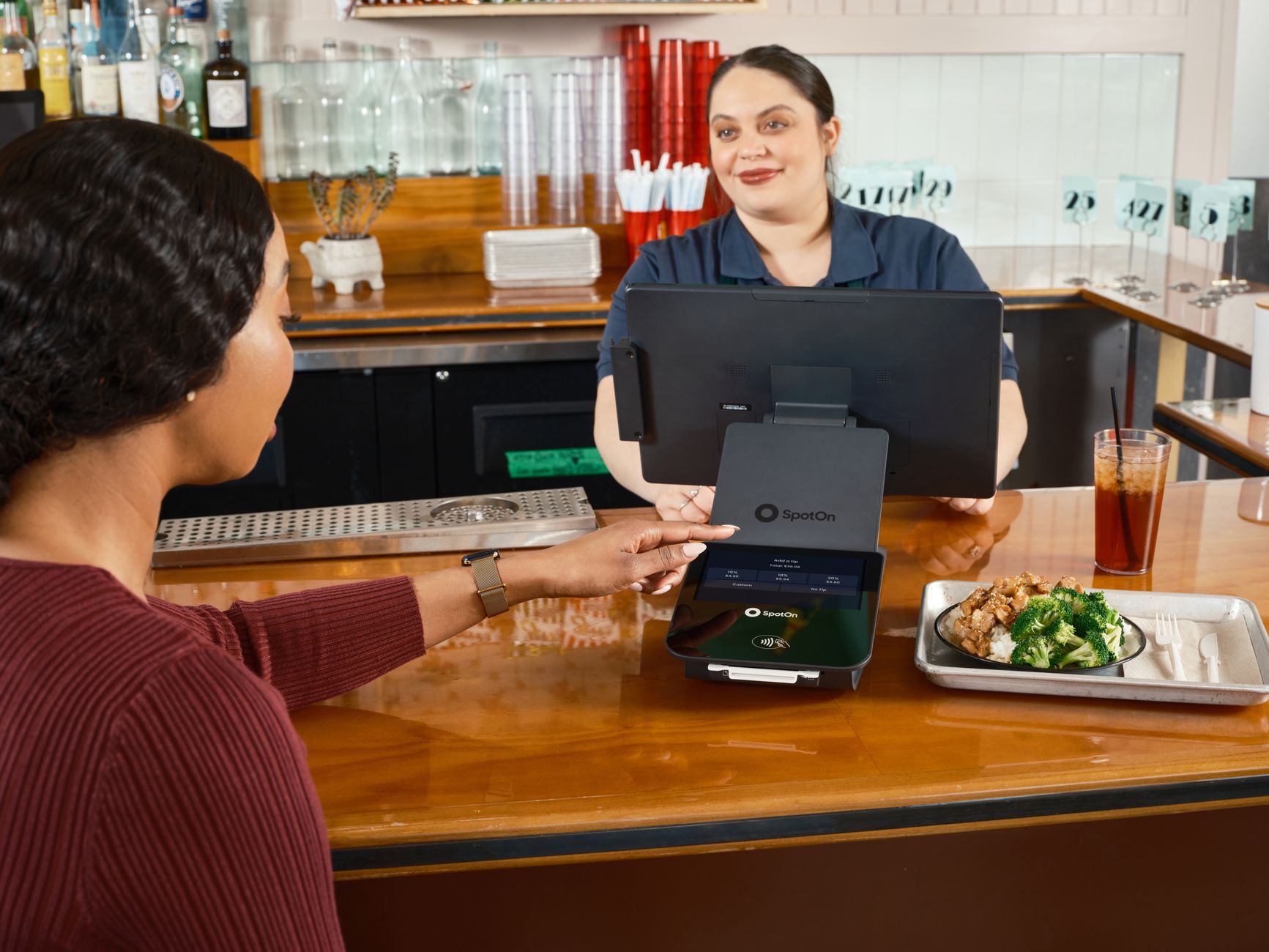
Tipping culture from the US is now reshaping how Britons pay
Tipping culture, long considered an American quirk that Britons quietly mocked, has planted itself firmly on UK soil — and it’s making people furious. From coffee shops in Manchester to nail salons in Bristol, tablet screens are being spun around at the point of sale, asking customers to tip 10%, 15%, even 20% on purchases they never expected to tip on at all.
The tablet spin that launched a thousand complaints
The practice, sometimes called the ‘tip screen spin’ or ‘guilt screen,’ has become almost unavoidable in UK towns and cities over the past two years. Customers buying a £3.50 flat white or a £12 sandwich are routinely confronted with a prompt asking them to add a gratuity before they’ve even tapped their card. And many say the social pressure in the moment makes it nearly impossible to hit ‘no tip’ without feeling like a villain.
“It’s absolutely criminal,” one shopper in Leeds told a local consumer group last month. “I paid £8 for a smoothie and was asked to leave a tip. The person literally pressed two buttons.”
A 2024 survey by consumer research firm Retail Economics found that 61% of UK adults had been asked to tip in a setting where they wouldn’t have expected to five years ago. Nearly half said they felt pressured to comply.
Businesses say they’re just following the tech
Many UK businesses didn’t exactly choose this. Payment platforms like Square and SumUp, which dominate the small business market, have tip prompts switched on by default. Owners of small cafés and independent shops say they often didn’t realise the feature was active until customers started complaining.
Still, not everyone is innocent. Some larger hospitality chains have deliberately configured their systems to make the ‘no tip’ option smaller, greyed out, or buried in the screen layout. Consumer advocates say that crosses a clear line.
A spokesperson for the Chartered Trading Standards Institute said the organisation was monitoring the trend closely. “Where tip prompts are designed to mislead or manipulate consumers, that raises legitimate questions under consumer protection law,” they said.
Workers are caught in the middle
It’s not just customers who are conflicted. Workers in tipped industries say the new landscape is creating tension with employers and among colleagues. Some staff have reported tips being pooled across entire companies, including head office staff who never interact with customers. Others say they have no idea how much tip money they’re actually receiving, or when.
The UK’s Employment (Allocation of Tips) Act, which came into force in October 2024, was supposed to fix some of this by requiring employers to pass 100% of tips to workers. But enforcement remains patchy, and many employees say they’ve seen little change in practice.
What happens next
Pressure is growing on the government to go further — either by regulating how tip prompts are displayed or by mandating clearer disclosure from businesses. A handful of MPs raised the issue in Westminster last autumn, but no concrete legislation has followed.
But until something changes, Britons will keep staring down that spinning tablet screen, doing the maths on whether a £4 tea really warrants a 15% surcharge.