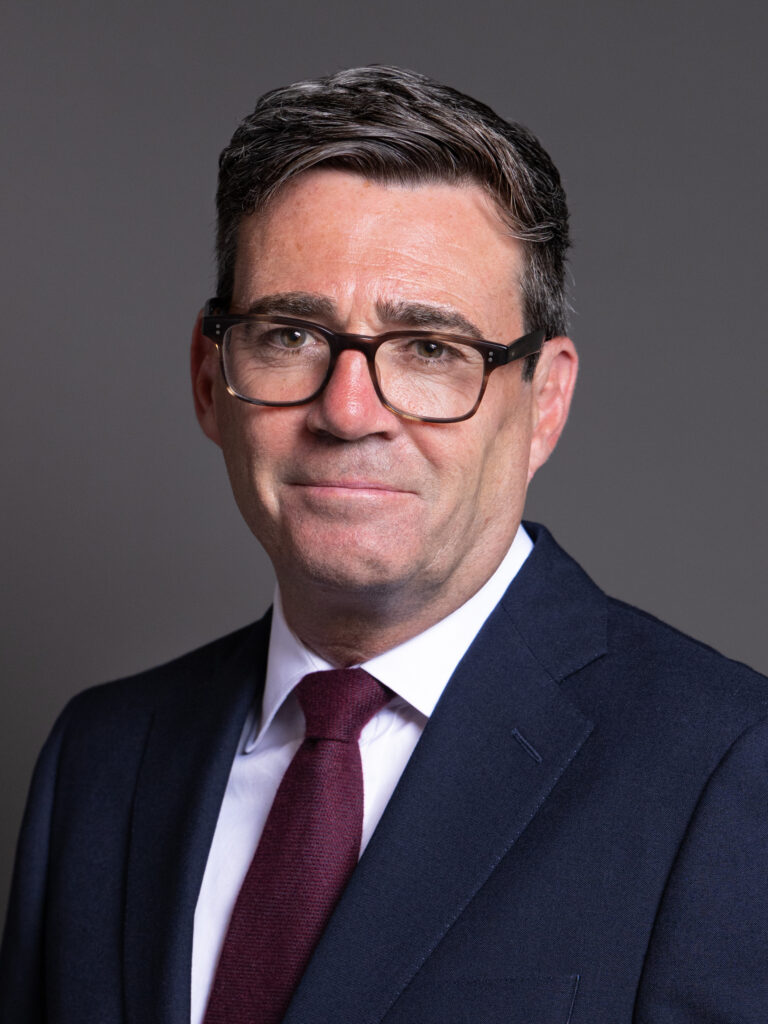
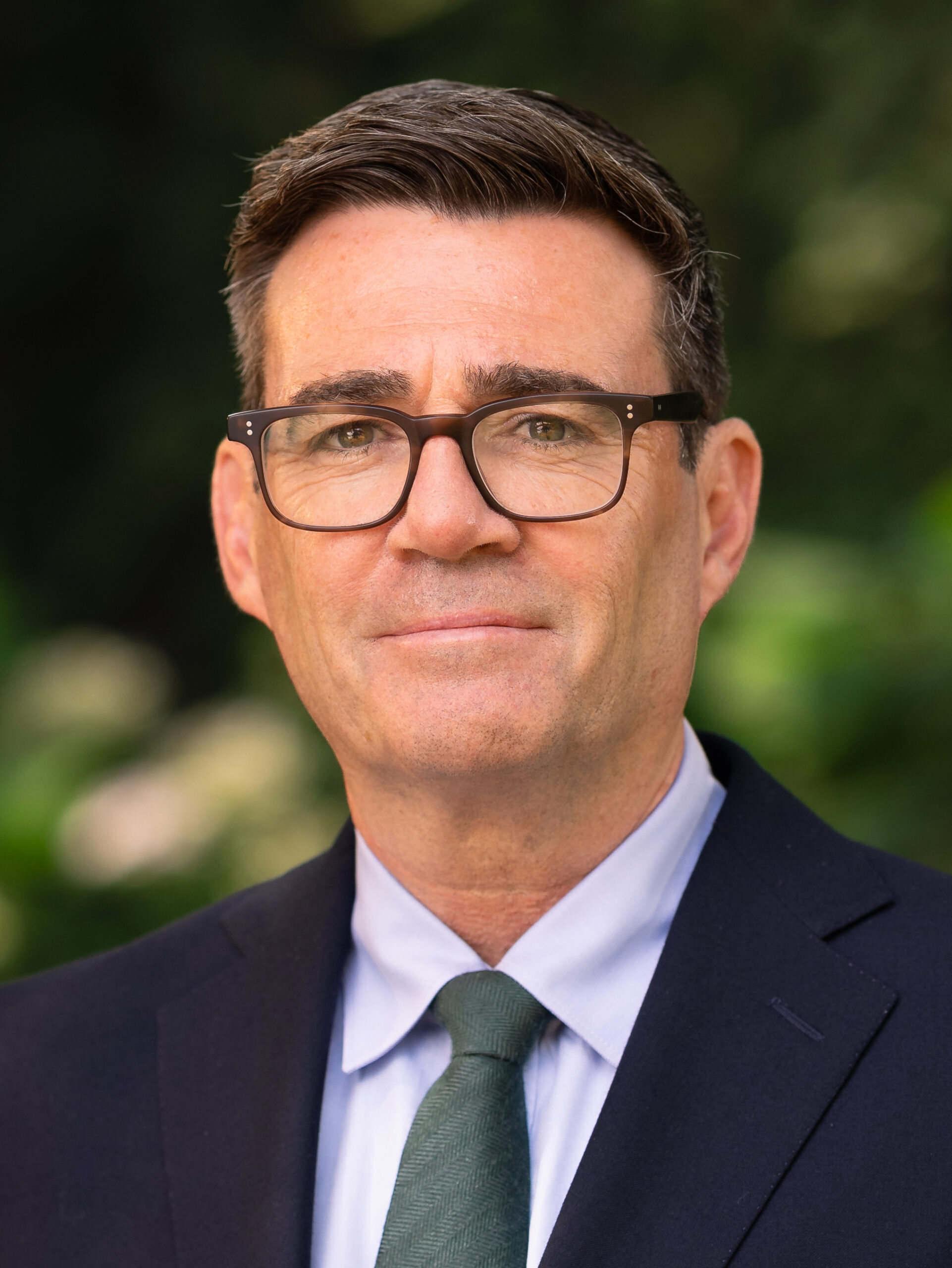
Andy Burnham as UK prime minister: What the world can expect
Andy Burnham, the former Mayor of Greater Manchester, is set to become the United Kingdom’s next prime minister — a political ascent that few would have predicted five years ago and one that carries significant implications for Britain’s role on the world stage.
From Manchester to Downing Street
Burnham’s rise is, in many ways, a story about political reinvention. He twice failed to win the Labour leadership — in 2010 and again in 2015, when he lost to Jeremy Corbyn — before retreating to regional politics. But Manchester gave him something Westminster never quite did: a platform that actually worked. During his tenure as metro mayor, he cut rough sleeping by 60 percent in the city’s core and pushed through one of the most ambitious integrated transport plans in British history. That record, unglamorous as bus routes and housing policy might sound, is precisely what Labour’s centrist wing has been selling to voters exhausted by ideological battles.
He’s 54, Northern, working-class by background, and — unlike many of his predecessors — genuinely comfortable talking to a room full of people who didn’t go to university. That’s not a small thing in modern British politics.
Foreign policy: An unknown quantity
Here’s where analysts are watching closely. Burnham has spent the last several years focused almost entirely on domestic and regional issues. His foreign policy instincts remain, to put it generously, untested at scale. He’s supported continued NATO membership and backed Ukraine aid packages, but hasn’t articulated anything resembling a foreign policy doctrine.
A senior official familiar with transatlantic discussions said: “There’s cautious optimism in Washington, but also a recognition that Burnham is largely a blank slate on the international stage.”
The Council on Foreign Relations and other Washington think tanks have flagged the same concern — that Britain needs a prime minister who can hold ground in difficult conversations with both Brussels and the White House. Whether Burnham can do that remains an open question.
Economic agenda and domestic priorities
Burnham has promised to push what he calls a “Northern growth agenda” to the national level — essentially redirecting infrastructure investment away from London and the Southeast. He’s targeting £40 billion in regional spending over a parliament. Critics say the math doesn’t work. Supporters say London has hoarded national investment for decades and someone had to say it.
So expect early battles with Treasury over spending priorities. And expect his first budget to tell voters very quickly whether this is genuine redistribution or political theater.
What comes next
Burnham takes office at a moment when Britain is navigating a fragile post-Brexit trade relationship with the EU, rising energy costs, and an NHS still under severe strain. He won’t get much of a honeymoon period.
Still, his supporters argue that his track record in Manchester proves he can deliver in messy, complicated environments. The country is about to find out if that translates to running the fifth-largest economy in the world.