UK farmers fight drought with hardier crops and beaver dams
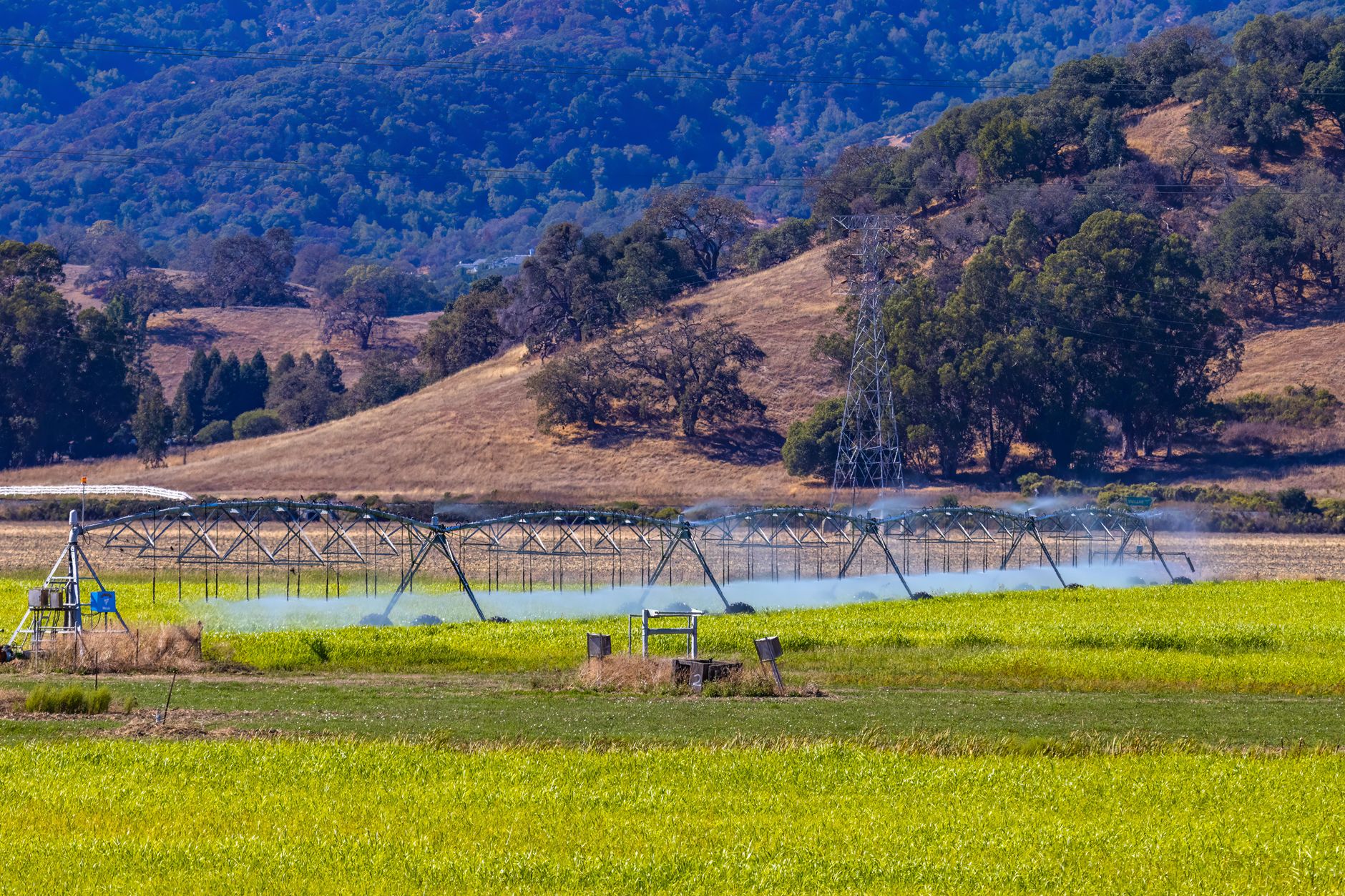
British farmers are turning to drought-resistant crops, rewilded waterways, and centuries-old land management techniques as climate change makes dry summers a near-permanent fixture across England and Wales. It’s a quiet revolution — and it’s already reshaping the countryside.
A problem that’s getting worse
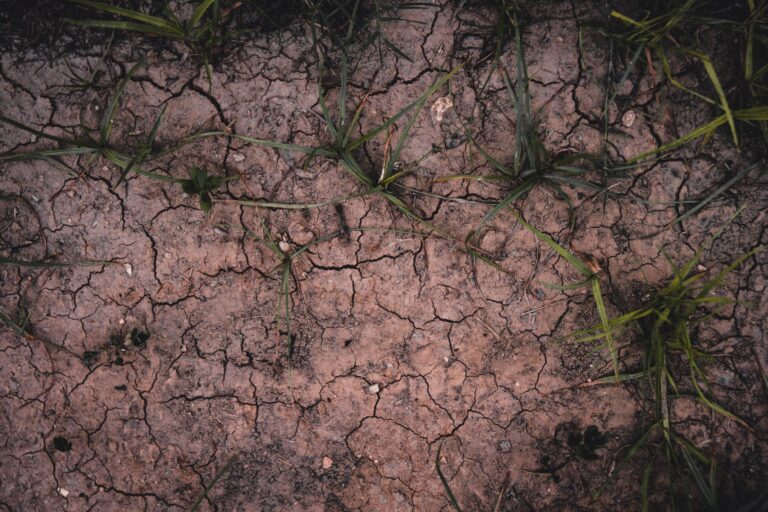
England recorded its driest first half of the year since 1976 in 2023, and forecasters warn that pattern is becoming the norm rather than the exception. Groundwater levels in parts of the south-east fell to record lows last summer. Farmers in East Anglia, historically the breadbasket of England, are now drilling wells deeper than ever — or watching them run dry entirely.
Some have stopped growing water-intensive crops like potatoes and sugar beet altogether. That’s not a small thing. East Anglia produces roughly 60% of England’s potato crop.
Sorghum, lentils, and other unlikely bets
Across the country, a growing number of growers are experimenting with crops that simply don’t need much water. Sorghum, a drought-tolerant grain common in sub-Saharan Africa, has started appearing in fields in Lincolnshire and Cambridgeshire. Lentils, chickpeas, and heritage wheat varieties bred for dry conditions are gaining ground too.
These aren’t novelty choices. They’re survival strategies. And they’re being backed by increasing interest from food manufacturers who want to shorten supply chains and reduce their exposure to global commodity shocks.
“We’re seeing farmers making decisions now that they wouldn’t have even considered five years ago,” said a spokesperson for the National Farmers’ Union. “The economics are starting to align with the environmental reality.”
Beavers and the return of wet landscapes
But perhaps the most striking change is happening at the landscape level. In Devon, Somerset, and parts of Scotland, reintroduced beavers are doing something no engineer has managed cheaply or efficiently: they’re slowing water down.
Beaver dams create small ponds and saturated ground that hold water through dry months. Studies from the River Otter Beaver Trial in Devon found that beaver-managed stretches of river held significantly more water during drought periods — and reduced downstream flooding during heavy rain. It’s a two-for-one that’s hard to argue with.
Some farmers were initially sceptical. A few still are. But others have actively welcomed beavers onto their land after seeing the results firsthand, with trial areas retaining moisture well into August when surrounding fields were parched.
What comes next
The government’s Environmental Land Management scheme is starting to fund some of these approaches, paying farmers to restore wetlands, plant cover crops, and manage soil differently. Critics say the payments are still too low and the bureaucracy too thick.
Still, the direction of travel seems clear. With the UK Met Office projecting that summers will be up to 5°C hotter by 2070, farmers who adapt now are betting they’ll be the ones still standing. And given what’s already happening, that bet looks increasingly wise.