UK approves Jackdaw gasfield: what it means for bills and climate
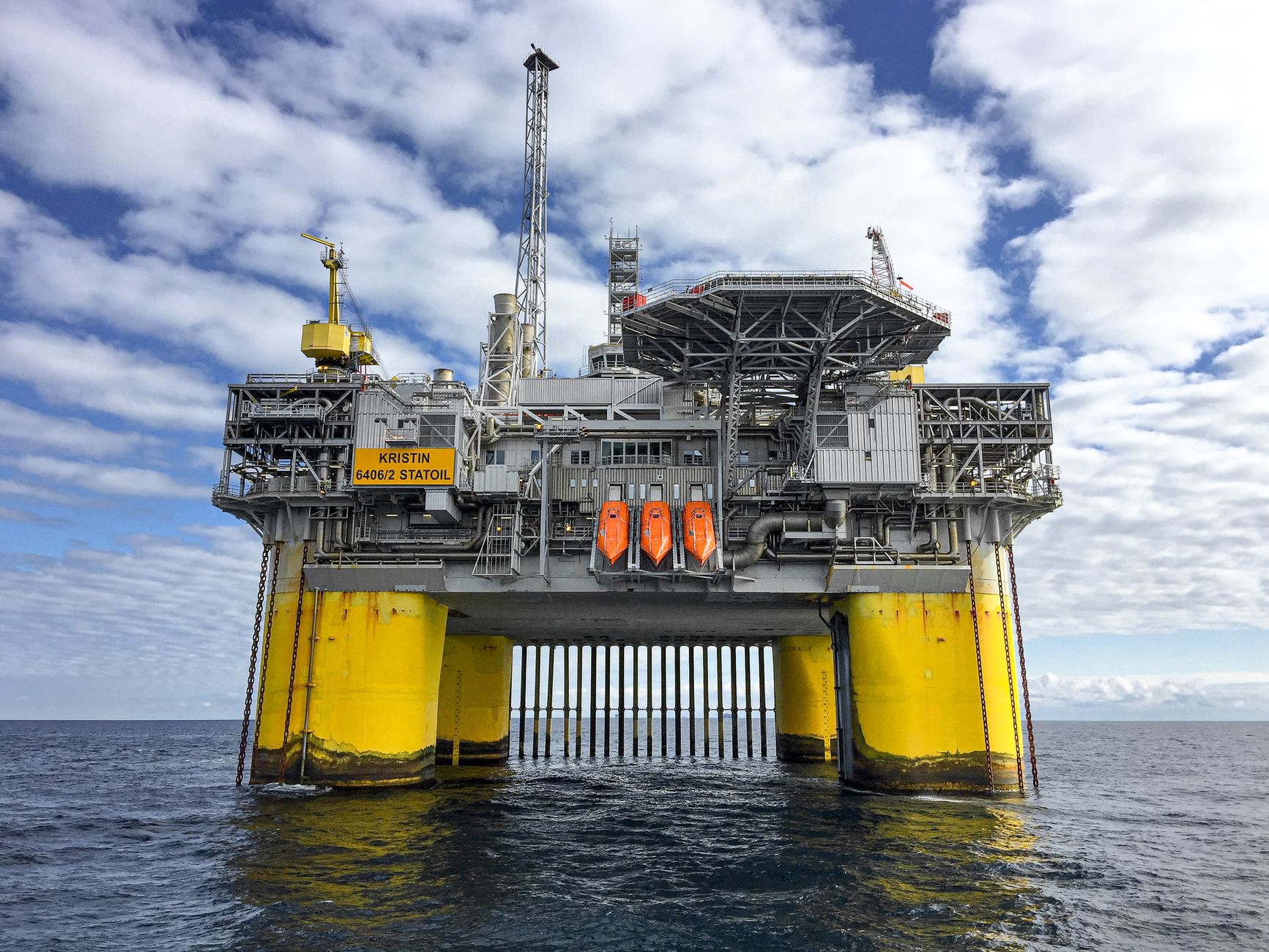
The UK government has given the green light to the Jackdaw gasfield, allowing production to begin about 150 miles east of Aberdeen. The consent comes roughly four years and six energy secretaries after the project was first proposed. But the decision has reignited debate over its implications for household energy bills, the UK economy, and the climate crisis.
Household bills are tied to the UK wholesale gas market price, which is set by international markets. Recent price surges have been driven by the loss of Russian flows to Europe and disruption to Gulf exports. Jackdaw’s output is relatively small, so it’s too little to outweigh those global shocks. The previous Conservative government claimed drilling could help lower bills through tax revenues used to cut VAT on gas and electricity for three years. And Labour has cut VAT from electricity bills from this month until next March. Ministers are also understood to be planning billions in energy bill support for low-income households at next week’s budget.
Climate impact and carbon budgets
Jackdaw could release between 23.6 million and 35.8 million tonnes of CO2 equivalent over its 11-year operational lifespan. The Committee on Climate Change, which advises the government on legally binding climate targets, has said the carbon impact of new North Sea fields is “not clear cut”. Scope 1 and 2 emissions from extraction and transport are relatively low in the British North Sea, about 3% of the UK total. By some estimates, those emissions from UK gas are four times lower than from US and Gulf fossil gas imports. But scope 3 emissions from burning the fuel are far bigger. There is no evidence Jackdaw gas would lead to higher overall gas consumption.
Prime Minister Andy Burnham said in July: “The question isn’t whether Britain will still be using oil and gas, the question is where does it come from?” A better way to reduce UK emissions is to replace gas boilers and fossil fuel vehicles with electric alternatives powered by low-carbon sources. Some academics argue that more UK oil and gas would push up global fossil fuel production unless output fell elsewhere. The CCC said in 2024 that new fossil fuel developments would have “minimal impact on UK carbon budgets”. But if others followed the UK lead in increasing production, the cumulative impact could lead to “an oversupply that would pose a risk” to international targets. The CCC urged the government to “reassess whether further exploration for new sources of fossil fuels” aligned with global climate obligations. It supports the ban on new licences but would not rule out Jackdaw because it’s not a new source.
Economic benefits and political symbolism
The North Sea is an ageing hydrocarbon basin in terminal decline, but new projects offer economic benefits. Offshore Energies UK says approving Jackdaw and Rosebank could provide £1.4 billion in tax revenues by 2029, rising to £3.8 billion by 2034. The fields could support a peak of more than 3,500 jobs during construction and 880 jobs with an average salary of £85,850 over their lifetime. Green groups reject those figures, arguing they overstate the economic benefits. The government plans an energy wealth fund using tax revenues from North Sea fossil fuel profits to invest in renewable and low carbon projects. The fund will be set up with £2 billion and grow as oil and gasfield tax revenues flow in. Burnham said the fund should “help reduce energy bills over the long term”. The idea echoes Norway, which channelled North Sea revenues into a sovereign wealth fund for more than 30 years. That fund is now worth $2.3 trillion, the largest of its kind.
Opposition has focused less on Jackdaw and more on the larger Rosebank scheme. Ed Miliband, the former energy secretary turned foreign secretary, described Rosebank as “climate vandalism” while in opposition. Consent for Rosebank could fuel accusations of climate hypocrisy at the top of cabinet. John Gummer, CCC chair in 2022, said an end to UK exploration “would send a clear signal to investors and consumers” and “help the UK in its diplomatic efforts to strengthen climate ambition internationally”. The North Sea remains a totemic issue: nostalgia for British economic success and innovation versus a reminder of the UK contribution to the climate crisis. Chris Stark, former CCC chief executive, told the New Statesman in 2024: “It has sucked all the oxygen out of the debate around what to do about climate change.”