Andy Burnham speech: new PM sets out vision for UK on day one
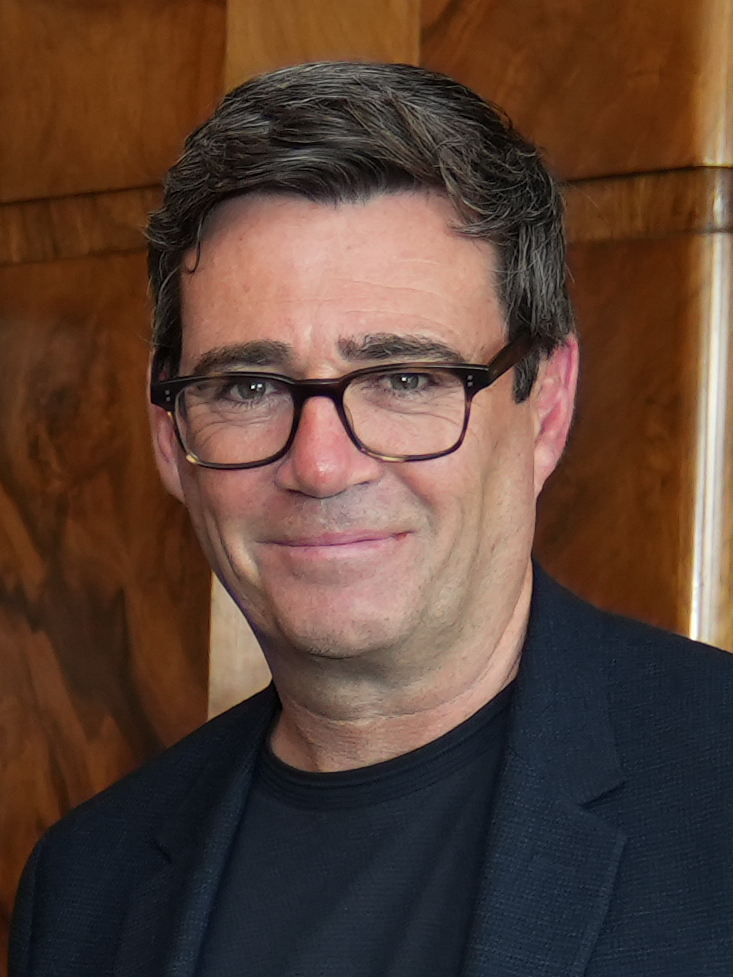
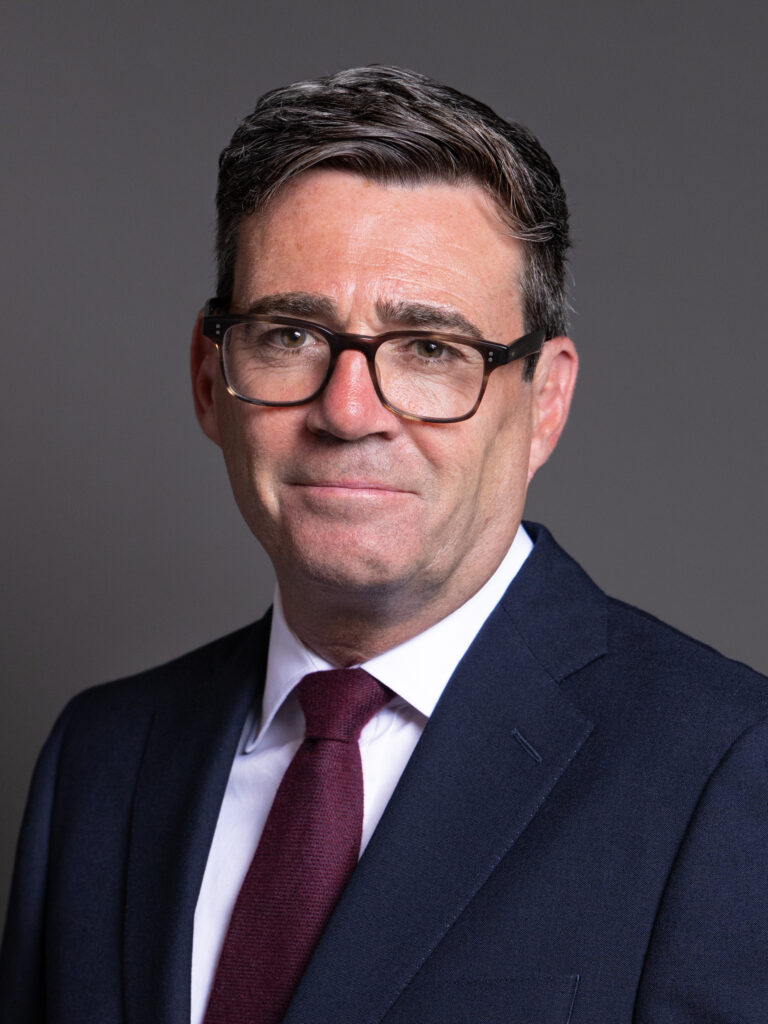
Andy Burnham delivered his first address as Prime Minister on Monday 20 July 2026, striking a tone that was equal parts defiant and personal as he outlined an ambitious domestic agenda for a country he said had been ‘left behind for too long.’ The speech, published in full on GOV.UK within hours of its delivery, drew heavily on his decade-long tenure as Mayor of Greater Manchester — a record he clearly intends to use as a blueprint for national government.
A different kind of leader from a different kind of place
Burnham, 56, became the first Prime Minister from the north of England in living memory when Labour swept to power earlier this month with a majority of 47 seats. He didn’t let that fact go unacknowledged. Standing outside Number 10 without notes, he spoke for just under 18 minutes — longer than most expected — and mentioned Manchester by name four times.
He talked about the Hillsborough families, who he championed for years. He talked about rough sleeping, which fell by 61 percent in Greater Manchester during his time in charge. And he talked, repeatedly, about the NHS — promising a ‘full structural review’ within his first 100 days.
What he actually promised
The speech was light on specific legislation but heavy on direction. Burnham committed to an immediate review of the two-child benefit cap, a policy his predecessor Keir Starmer controversially maintained before resigning in April. He also confirmed that a new publicly owned energy company — GB Energy North — would be headquartered in Leeds, not London.
A senior government official said the speech was ‘deliberately framed as a values statement, not a policy checklist,’ adding that a full legislative programme would follow in September’s King’s Speech.
Still, critics on the right were quick to call the address vague. But supporters argue that’s missing the point entirely.
The politics underneath the words
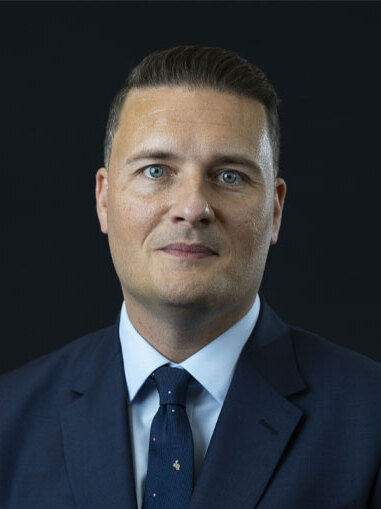
Burnham’s ascent has not been without friction. His relationship with the Labour right remains tense, and several cabinet appointments announced over the weekend — including the surprise inclusion of Wes Streeting as Chancellor — suggest he’s trying to hold a broad coalition together from day one.
That’s a difficult balancing act. And it showed, at times, in the careful wording of the speech. He made no direct reference to wealth taxes or renationalisation of rail, despite both featuring prominently in his leadership campaign last year.
What he did say, plainly and without qualification, was this: ‘I did not come this far to manage things. I came to change them.’
What comes next
The coming weeks will test whether the rhetoric holds. Parliament returns from recess on 4 September. By then, Burnham’s team will need to show concrete progress on at least the NHS review and the energy company announcement, or risk the honeymoon period dissolving faster than most.
For now, though, the country has a new Prime Minister — and he’s made clear he’s in no mood to go slowly.